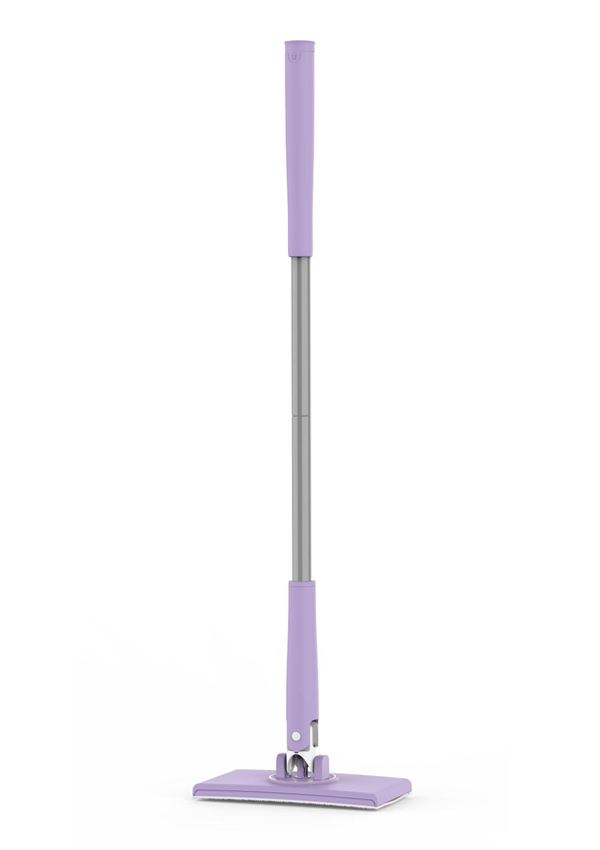
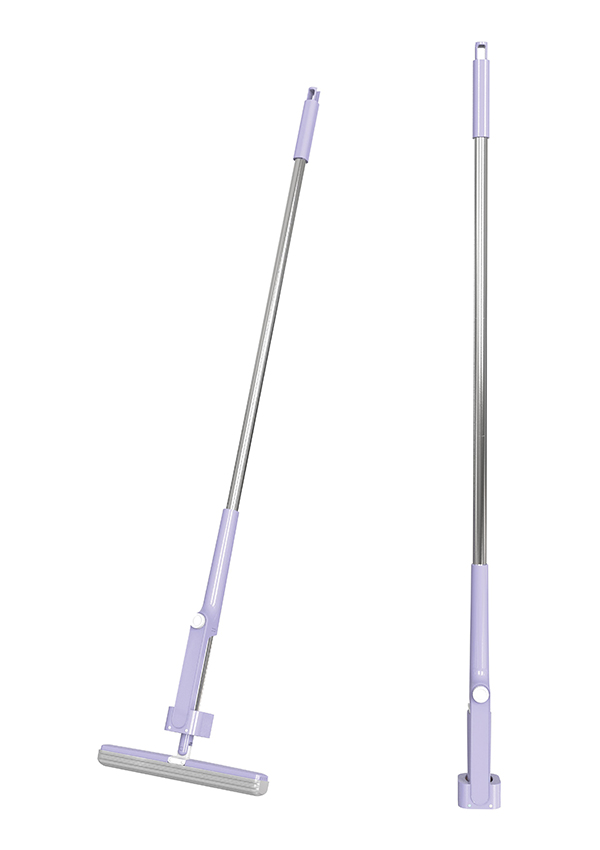
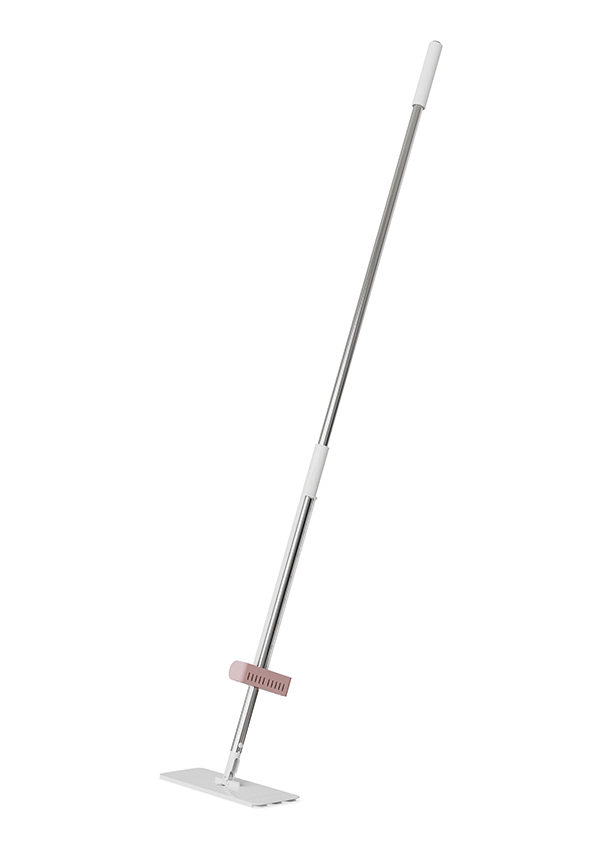
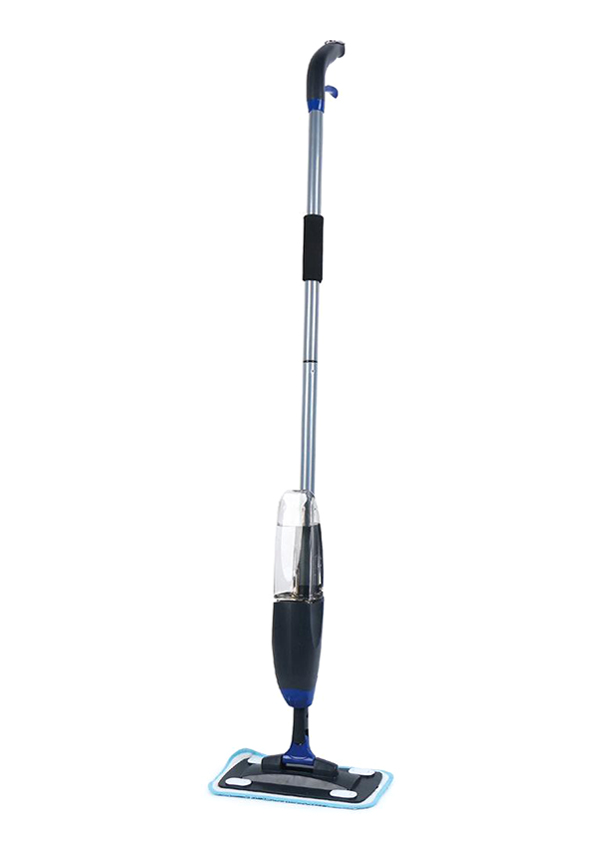
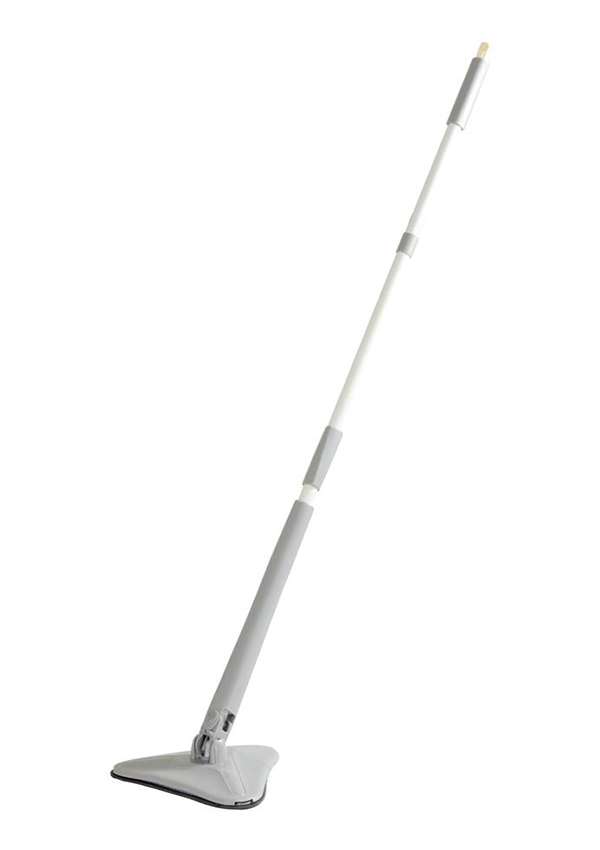
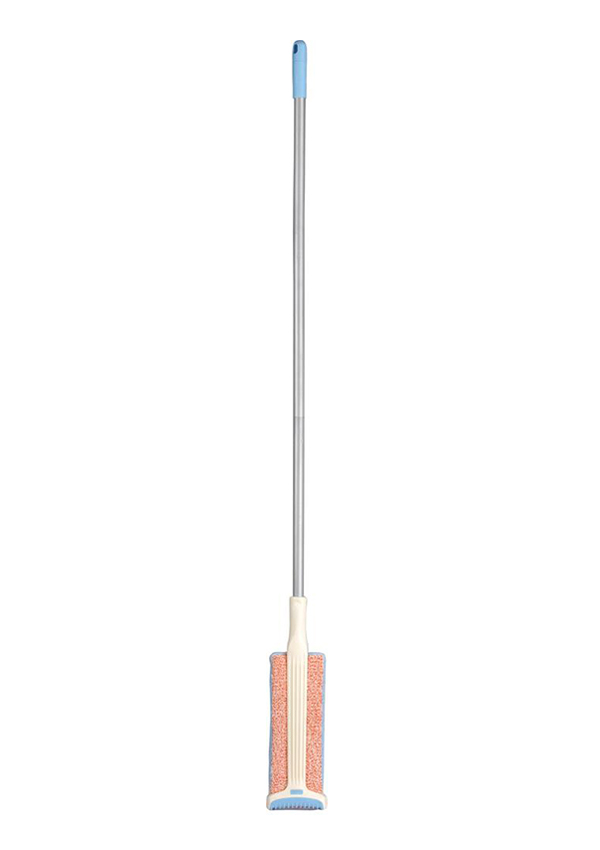
A sponge squeeze mop is a floor cleaning tool that combines a cellulose or synthetic sponge cleaning head with an integrated squeezing mechanism, allowing the user to wring out dirty water from the sponge without touching it or removing it from the mop head assembly. This self wringing capability is the defining practical advantage of the sponge squeeze mop over both traditional string mops and flat microfiber mops: the user can control the moisture level of the sponge precisely during cleaning, wringing it to near dry for damp mopping or leaving it wetter for initial soil removal, all with a single lever or ratchet action at the top of the handle. The result is a floor cleaning experience that is faster, less physically demanding, and more hygienic than alternatives that require manual wringing or frequent bucket return trips.
The direct conclusion for anyone selecting a sponge squeeze mop is this: the most important variables in quality selection are the sponge material (cellulose delivers better absorbency and scrubbing than synthetic foam at equivalent cost), the squeezing mechanism design (lever action mechanisms that compress the sponge from above are more effective and durable than side squeeze or roller designs for most floors), and the handle construction (aluminum or stainless steel handles are markedly more durable than plastic in regular use). A quality sponge squeeze mop correctly maintained will perform reliably for 2 to 4 years on its original sponge head, making the initial investment in a well constructed model significantly more cost effective than repeated replacement of cheaper alternatives. This article covers all of these dimensions in full practical depth.
How a Sponge Squeeze Mop Works: The Squeezing Mechanism
The squeezing mechanism is the engineering heart of the sponge squeeze mop and the component that most directly determines the user's experience and the tool's durability. Different mechanism designs produce different levels of water extraction efficiency and impose different stresses on the sponge head and the mechanical components over time. Understanding the main types helps users choose the right product for their specific needs and floor surfaces.
Lever Action Squeeze Mechanisms
The lever action mechanism is the most common and generally the most effective design in the sponge squeeze mop category. A pivoting lever arm at the top of the mop handle, when pressed down by the user's hand, transmits force through the handle shaft to a metal or plastic yoke that clamps down on the top of the sponge, compressing it against a fixed bottom plate. This vertical compression action squeezes water from the sponge uniformly across its full width, extracting 70 to 85 percent of the absorbed water in a single squeeze action. In comparative testing, lever action squeeze mechanisms consistently outperform roller squeeze and side compression designs in water extraction efficiency per action, and the mechanical simplicity of the lever system means fewer moving parts that can break or wear over time compared to more complex squeeze designs.
Roller Squeeze Mechanisms
Roller squeeze mechanisms use a rubber roller or pair of rollers that the user drives through the sponge by pushing or pulling the mop handle through a wringer attached to the side of the bucket. These mechanisms are associated with the classic commercial roller wringer mop and are more commonly found in commercial janitorial equipment than in residential sponge squeeze mop products. The roller design can extract higher percentages of water from a mop head than lever designs in a single pass but requires a compatible wringer bucket system, which increases the overall cost and space requirement of the cleaning setup.
Integrated Ratchet Lock Mechanisms
Some sponge squeeze mop designs use a ratcheting lock mechanism that holds the sponge in a compressed position after squeezing, allowing the user to mop in a partially compressed state that delivers less water per stroke than a fully expanded sponge. This capability is useful for damp mopping of sealed hardwood floors, laminate, or other water sensitive surfaces where the sponge should contact the floor in a nearly dry condition to prevent water infiltration at joins and edges. For floors where controlled moisture delivery is a priority, a ratchet lock sponge squeeze mop gives the user significantly more precision than either a string mop or a flat mop, where moisture control depends entirely on how thoroughly the user has wrung the mop head before each stroke.
Sponge Head Materials: Cellulose vs Synthetic Foam
The sponge cleaning head of a sponge squeeze mop is its consumable component, and the material from which it is made determines how well it absorbs water and dirty solution, how effectively it scrubs soiled floors, and how long it lasts before it must be replaced. Two material types dominate the market, and their performance characteristics are significantly different.
Cellulose Sponge Heads
Cellulose sponge heads are produced from plant derived cellulose processed into an open cell foam structure with high porosity and capillary absorption characteristics. They are the premium material in the residential sponge squeeze mop category for several reasons:
- Superior absorbency: Cellulose absorbs 10 to 20 times its own dry weight in water, compared to 5 to 10 times for synthetic polyurethane foam sponges. This higher absorbency means fewer bucket return trips per mopping session and more effective pickup of liquid spills in a single pass.
- Natural scrubbing texture: The open cell surface of cellulose sponge provides a naturally textured contact surface that mechanically loosens soil, dried food, and sticky residues from floor surfaces with moderate scrubbing pressure. This texture is particularly effective on ceramic tile and natural stone flooring where soil accumulates in grout lines.
- Biocide compatibility and hygiene: Cellulose sponge can be treated with biocidal agents during manufacture to inhibit bacterial and mold growth within the sponge structure, extending the period between sponge replacements and improving the hygienic quality of the cleaning process.
- Compostable at end of life: Because it is plant derived, a cellulose sponge head can be composted at end of service life rather than sent to landfill, which is an environmental advantage over synthetic foam alternatives.
Synthetic Foam Sponge Heads
Synthetic foam sponge heads, typically made from polyurethane or polyester foam, are lighter and less expensive than cellulose alternatives. They absorb less water per unit of sponge volume, but they compress and release more readily under squeezing force, which can make the wringing action feel easier. Synthetic foam sponges are also more resistant to the degradation from strong cleaning chemicals than cellulose, making them appropriate for commercial environments where concentrated floor cleaning solutions are used regularly. For standard residential mopping with diluted cleaning products, cellulose sponge heads deliver noticeably better cleaning results than synthetic equivalents in consumer testing, with higher soil removal rates and better floor appearance after mopping.
Comparing Sponge Squeeze Mops with Other Mop Types
| Feature |
Sponge Squeeze Mop |
Traditional String Mop |
Flat Microfiber Mop |
Spray Mop |
| Wringing method |
Integrated lever or ratchet, hands free |
Manual twist or roller wringer bucket |
Hand wrung or spin bucket required |
No wringing; spray controlled moisture |
| Moisture control precision |
High: adjustable via squeeze action |
Low: inconsistent by hand wringing |
Medium: depends on bucket and technique |
Medium: spray pattern controls wetness |
| Absorbency capacity |
High (cellulose): 10 to 20 times sponge weight |
High: large head volume |
Medium: limited by pad thickness |
Low: pad not designed for high absorption |
| Suitability for spill cleanup |
Excellent: high absorbency and controlled squeeze |
Good: high volume but messy wringing |
Moderate: limited by pad capacity |
Poor: not designed for liquid removal |
| Suitability for water sensitive floors |
Excellent: ratchet lock damp mop capability |
Poor: difficult to control moisture level |
Good: thin pad delivers less water |
Good: spray controls moisture delivery |
| Ease of head replacement |
Good: most models use standard head sizes |
Easy: universal yarn head sizes |
Easy: machine washable, reusable pads |
Easy: machine washable pads |
Floor Types and Applications Where Sponge Squeeze Mops Excel
The sponge squeeze mop is not the best tool for every floor type, but it is the best or among the best tools for specific floor categories that are common in residential and light commercial settings. Understanding these applications helps users decide whether a sponge squeeze mop is the right primary mopping tool for their specific floor situation.
- Ceramic and porcelain tile floors with grout lines: The textured surface of a cellulose sponge head and the ability to apply moderate downward pressure during mopping makes the sponge squeeze mop particularly effective at cleaning grout lines, where soil accumulates below the tile surface level. The sponge conforms to the texture of the floor rather than skating over high points, delivering cleaning solution into the recessed grout channels where flat mop pads rarely reach.
- Kitchen and bathroom tile floors with frequent spills: The high absorbency of the cellulose sponge head makes sponge squeeze mops the most effective tool for picking up liquid spills on tile floors. A single pass over a liquid spill of 200 to 300 ml on a hard tile surface will pick up the majority of the liquid without spreading it further, followed by a squeeze and a second pass to remove the residual.
- Sealed hardwood and laminate floors requiring damp mopping: With the ratchet lock mechanism compressed to a near dry sponge state, sponge squeeze mops deliver controlled moisture mopping that is appropriate for sealed hardwood and laminate surfaces. The key is maintaining a near dry sponge that cleans the surface without depositing enough moisture to soak into joins, edges, or the wood itself.
- Commercial kitchens and food service areas: The ease of squeezing and reloading the sponge without touching it, combined with the high moisture capacity for efficient floor cleaning in areas where water and food residues are frequent, makes sponge squeeze mops a practical choice for food service cleaning routines where speed and hygiene are both priorities.
Care, Maintenance, and Sponge Head Replacement
The service life of a sponge squeeze mop and the hygiene quality of its cleaning performance depend significantly on how the sponge head is cared for between uses. Poorly maintained sponge heads become breeding grounds for bacteria and develop unpleasant odors within days of use, undermining the hygiene benefit of using fresh cleaning solution each time. The following maintenance practices are essential for getting the full service life from the mop and maintaining hygienic cleaning performance:
- Always rinse and squeeze the sponge thoroughly at the end of each mopping session. Run the sponge under clean water or in a clean bucket of water, squeezing it several times to flush out dirty cleaning solution, soil particles, and floor residues. Finish with several full squeezes to remove as much water as possible from the sponge before storage.
- Store the mop in a compressed or semi compressed position after wringing. Storing the sponge in its compressed state after squeezing encourages the remaining water to drain from the sponge rather than sitting in it. Standing the mop with the sponge head elevated or hanging allows gravity to assist drainage. Never store a sponge squeeze mop with the wet sponge resting on the floor or in a bucket of water, as this creates anaerobic conditions that promote bacterial and mold growth.
- Disinfect the sponge head periodically with diluted bleach or antibacterial solution. Once per week or every 4 to 5 uses, soak the sponge head in a diluted bleach solution (1 part household bleach to 20 parts water) for 5 to 10 minutes, then rinse and wring thoroughly. This periodic disinfection kills bacterial and mold colonies that accumulate despite regular rinsing, extending the usable service life of the sponge head by months compared to rinse only maintenance.
- Replace the sponge head when it shows visible degradation signs. Sponge heads that have become permanently distorted, developed tears or holes, lost their texture and absorbency, or developed a persistent odor that does not respond to disinfection should be replaced. Most quality sponge squeeze mop brands supply compatible replacement heads, and the correct replacement head must be specified for the specific model of handle and mechanism. For many brands, replacement heads are available at a fraction of the cost of the complete mop, making the sponge squeeze mop a genuinely economical long term cleaning tool.
The sponge squeeze mop remains one of the most practical and versatile floor cleaning tools available for residential and light commercial use. Its combination of hands free wringing, adjustable moisture control, high absorbency for spill cleanup, and effective scrubbing performance on tiled and textured floors addresses a set of cleaning needs that no other single mop type handles as completely. Investing in a model with a quality mechanism, a cellulose sponge head, and a metal handle, and maintaining it correctly between uses, produces a cleaning tool that will serve reliably and hygienically for years of regular use.