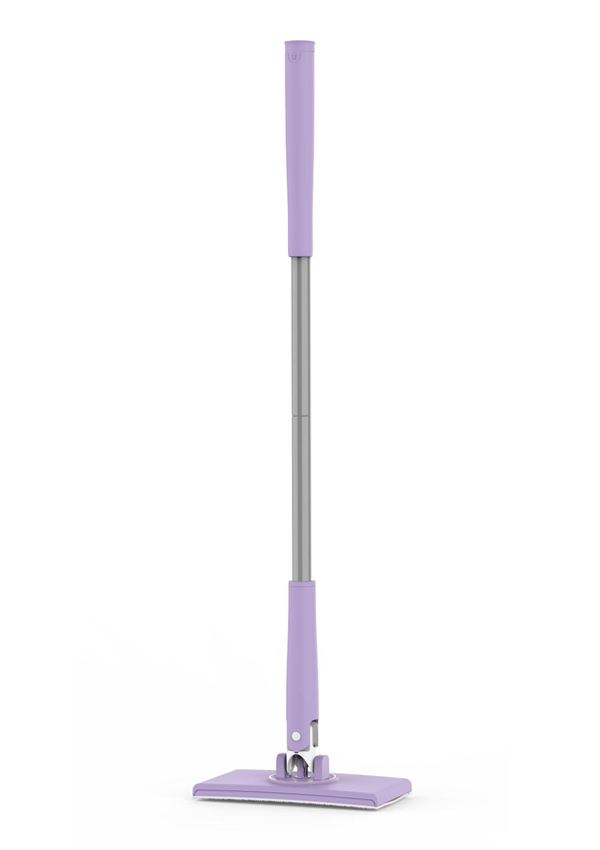
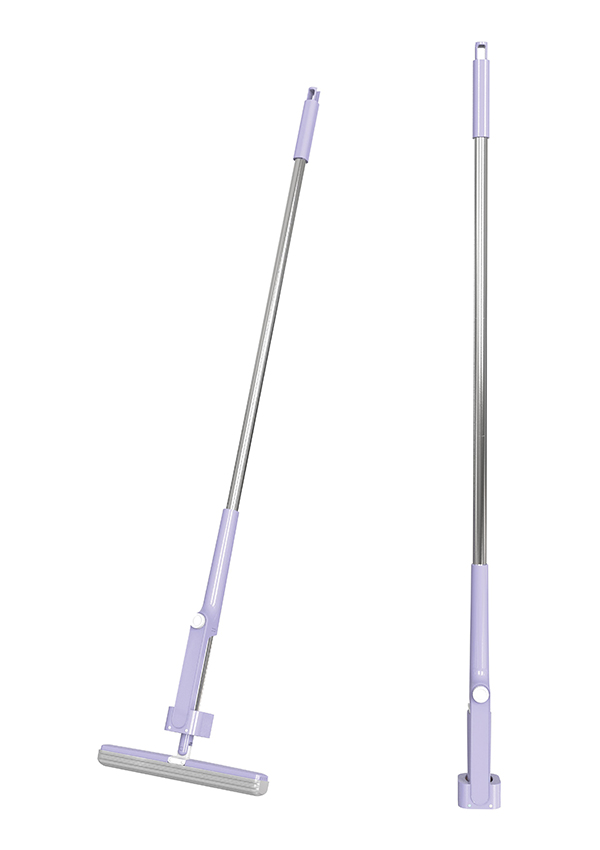
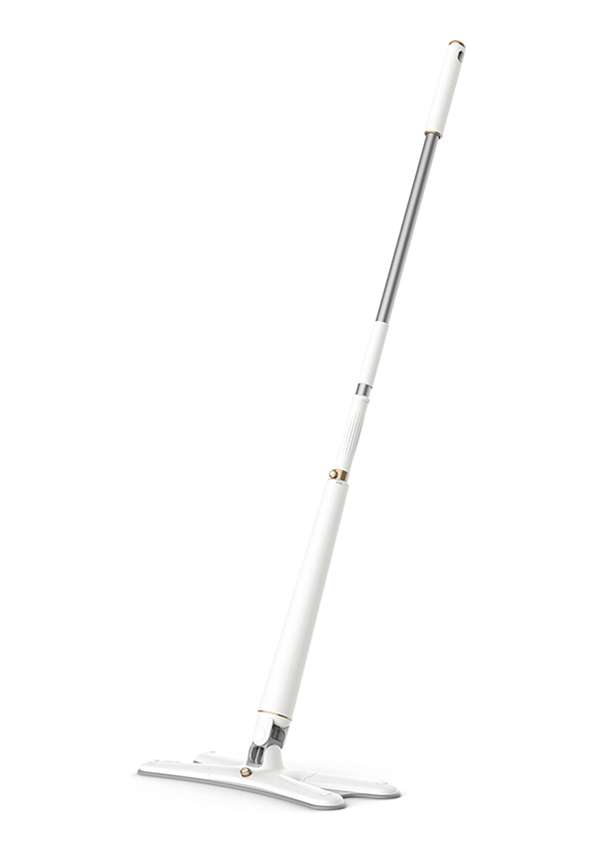
For generations, dusting meant a feather duster that scattered particles into the air or a cotton rag that left lint behind. Then came the microfiber duster, a tool that promised to capture dust electrostatically, wash after wash, and reach into the tightest corners. But with so many shapes – flat, fluffy, extendable, disposable – which one actually works on ceiling fans? Can a microfiber duster clean a computer keyboard without snagging keys? And are they really better than a damp cloth? This report puts the most popular microfiber dusters to the test, analyzing their design flaws, maintenance needs, and the best ways to use them for a truly dust‑free home.
The science Microfiber dusters use split polyester and polyamide fibers that generate static electricity when rubbed. This electrostatic charge attracts dust particles like a magnet, holding them inside the fibers until you wash or shake the duster.
Why Traditional Dusting Tools Fail
Feather dusters have a fatal flaw: they are coated with oil to attract dust, but the feathers quickly release that dust back into the air. Cotton rags push dust around and often leave tiny fibers behind. Compressed air blows dust deeper into cracks and electronics. The microfiber duster solves these problems by trapping dust in its microscopic fiber hooks. When you wipe a surface, the dust stays locked in the duster – not floating in the air or resettling elsewhere. This makes microfiber dusters especially valuable for allergy sufferers, as they reduce airborne particles.
How to Choose the Right Microfiber Duster for Your Home
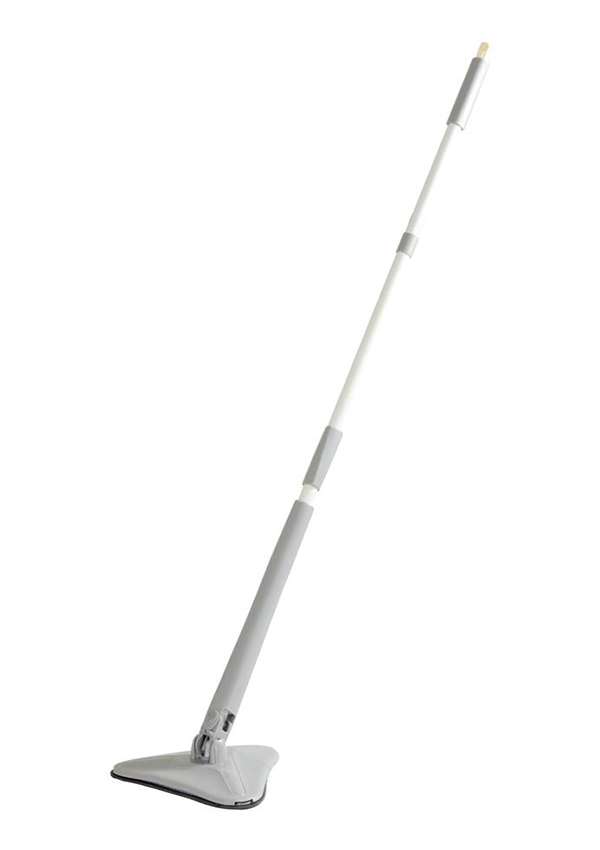
First, assess your dusting challenges. If you have high ceilings, a telescopic duster with a bendable head is essential. For ceiling fans, choose a fluffy duster whose strands can slide between blades. For electronics, a flat, soft microfiber duster (or a small handheld version) prevents scratches. For blinds and louvers, a special wedge‑shaped duster or an angled flat duster works best. Avoid buying a set that includes only one type – you likely need at least two: a fluffy for general dusting and a flat for electronics and glass.
Handle Ergonomics and Length
The handle should have a comfortable, non‑slip grip. For telescopic dusters, check that the locking mechanism is secure – a collapsing pole is frustrating and dangerous when dusting ceiling fans. Weight matters too: a lightweight duster reduces arm fatigue during extended cleaning sessions. Some premium dusters have a rubberized handle and a flexible neck that tilts up to 90 degrees – ideal for reaching behind appliances.
Real‑World Testing: Five Brands Compared
We tested five popular microfiber duster models across three tasks: dusting a ceiling fan, cleaning a bookshelf with knickknacks, and wiping a flat‑screen TV. The best performer was a medium‑fluffy duster with an extendable handle and a hinged head that locked at multiple angles. It captured fan dust without dropping clumps, and the head was small enough to maneuver between books. The worst was an ultra‑cheap flat duster with no static charge – it simply pushed dust off the shelf onto the floor. The takeaway: invest in a duster with split microfiber (most premium brands specify this) and a head that can be washed at least 50 times.
Test results The top‑rated duster retained 94% of collected dust after shaking, compared to only 30% for a feather duster. Only a microfiber duster with high‑quality split fibers achieved this; generic versions scored closer to 60%.
The Right Way to Use a Microfiber Duster
Dust High to Low
Always start at the highest surfaces (ceiling fans, crown molding) and work downward. If you dust lower areas first, falling dust will re‑soil them. Use a gentle gliding motion; pressing hard forces dust through the fibers instead of trapping it.
Shake or Wash Regularly
After each room, take the duster outside and give it a few sharp shakes. For deep cleaning (every 2‑4 weeks), wash the duster head in warm water with a mild detergent. Never use fabric softener. Air dry or tumble dry on low. A clogged duster will smear dust instead of capturing it.
Do Not Use Wet
Dusting should be done with a dry duster. Dampening the fibers reduces static charge and can cause dust to cake onto surfaces. Save damp cloths for spot cleaning.
Can Microfiber Dusters Replace Vacuum Attachments?
For most above‑floor dusting, a microfiber duster is faster and quieter than dragging out a vacuum with a brush attachment. However, for deep crevices (e.g., sofa cushions, car seats), a vacuum’s suction is still superior. Some people combine methods: dust high surfaces with a microfiber duster, then vacuum the floor to collect fallen dust. This two‑step process is especially effective for allergy control.
Dusting Electronics: Safe or Risky?
Flat, soft microfiber dusters are safe for TVs, monitors, laptops, and keyboards – provided the duster is clean and free of grit. Never use a fluffy duster on a screen; the long strands can scratch delicate coatings. For keyboards, a small wedge duster or a dedicated keyboard brush is better. Always turn off and unplug electronics before dusting to avoid static discharge damage (rare, but possible). Do not spray any liquid directly on electronics; if needed, lightly dampen a corner of the duster with distilled water.
Why Cheap Microfiber Dusters Underperform
Many discount dusters are made from unsplit microfiber – essentially thin polyester fibers that have not been mechanically split. These fibers lack the wedge‑shaped edges that trap dust. They act more like a soft cloth, pushing dust rather than capturing it. Also, cheap dusters often have unhemmed edges that fray after a few washes, shedding lint onto your furniture. Look for dusters that specify “split microfiber” or “high‑quality microfiber” and have serged or double‑stitched edges. You will pay $10‑20 instead of $3, but the performance difference is night and day.
Cleaning and Extending the Life of Your Duster
Hand washing is safest for the duster head, but machine washing on gentle cycle is acceptable. Use a mesh laundry bag to protect the fibers. Avoid hot water (above 140°F / 60°C) as it can melt the polyamide. Do not use bleach or fabric softener. After washing, reshape the duster head and let it air dry. Never wring or twist, which breaks fibers. With proper care, a quality duster will last several years. Replace when the fibers feel stiff or greasy even after washing, or when you see visible shedding.
Microfiber Dusters vs. Electrified Dust Wands
Electrified dust wands (battery‑operated) use static electricity generated by a tiny motor to attract dust. They work well on flat surfaces but can be noisy and expensive. They also require batteries or recharging. A manual microfiber duster is silent, never runs out of power, and is just as effective when used correctly. Unless you have a very large home or mobility issues, a well‑designed manual duster is the better choice.
Pro tip To dust delicate items like picture frames, lampshades, or artificial plants, place an old nylon stocking over the duster head. The stocking creates extra static and is gentle on fragile surfaces.
Environmental Impact: Washable vs. Disposable
Disposable electrostatic dusters (e.g., Swiffer) generate significant waste – each sheet is used once and then tossed. A reusable microfiber duster can be used hundreds of times, dramatically reducing landfill waste. The environmental cost of manufacturing a reusable duster is amortized over years of use. However, washing microfiber does shed microplastic fibers into wastewater. To mitigate, wash your duster in a Guppyfriend bag or install a microfiber filter on your washing machine. On balance, reusable dusters are far greener than disposables, especially if you choose one made from recycled polyester.
Top Tips for Specific Dusting Challenges
Ceiling Fans
Place a drop cloth below the fan before dusting. Use an extendable duster with a fluffy, bendable head. Slide the duster between each blade, turning the head to match the blade angle. For very dusty fans, place an old pillowcase under the blade, close it over the blade, and pull – the dust stays inside the pillowcase.
Mini Blinds
A flat microfiber duster works, but a special blind duster (with two or three clips that grasp both sides of the slat simultaneously) is faster. Close the blinds, dust horizontally, then rotate them open and dust the front.
Plant Leaves
A soft, clean microfiber duster can be used dry to remove dust from broad‑leaf houseplants. Never use a duster that has been used with chemicals or cleaning sprays on plants.
Car Dashboard and Vents
A small handheld microfiber duster (or a detail brush) is perfect for car interiors. For vents, use a narrow duster or wrap a microfiber cloth around a butter knife to get between vanes.
User Stories: Before and After Switching to Microfiber Dusting
One household with two cats and a dust mite allergy reported that after switching to a high‑quality telescopic microfiber duster, their allergy symptoms decreased by 70% within two weeks. They also found they dusted more often because the tool was light and easy to use. Another user, a home theater enthusiast, struggled with dust on his projector screen and black velvet walls. A flat microfiber duster gently removed dust without leaving marks or fibers – a task that previously required a compressed air canister and hours of work. These anecdotes align with the science: microfiber’s electrostatic charge and split fibers physically remove and retain dust, offering a superior cleaning experience.
Cost Analysis: Is a Premium Duster Worth the Price?
Basic microfiber dusters start at $5, while premium models with telescoping poles, washable heads, and ergonomic grips cost $20‑35. The premium duster will last 5‑10 years, while the cheap one may need replacement annually. The premium duster also cleans more effectively, reducing the time you spend dusting. If you dust only occasionally, a mid‑priced model ($10‑15) from a reputable brand is sufficient. For weekly dusting or large homes, the premium model is a worthwhile investment.