What Is a Cleaning Duster?
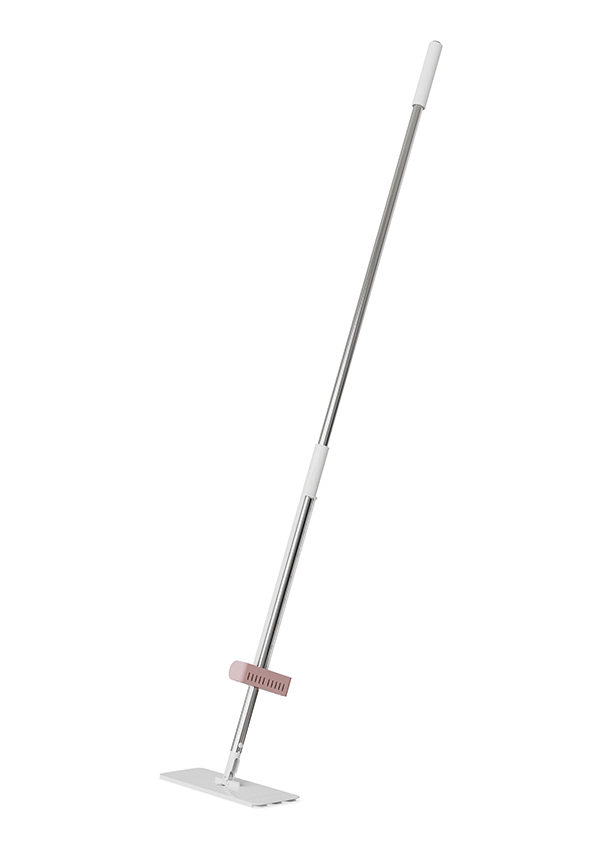
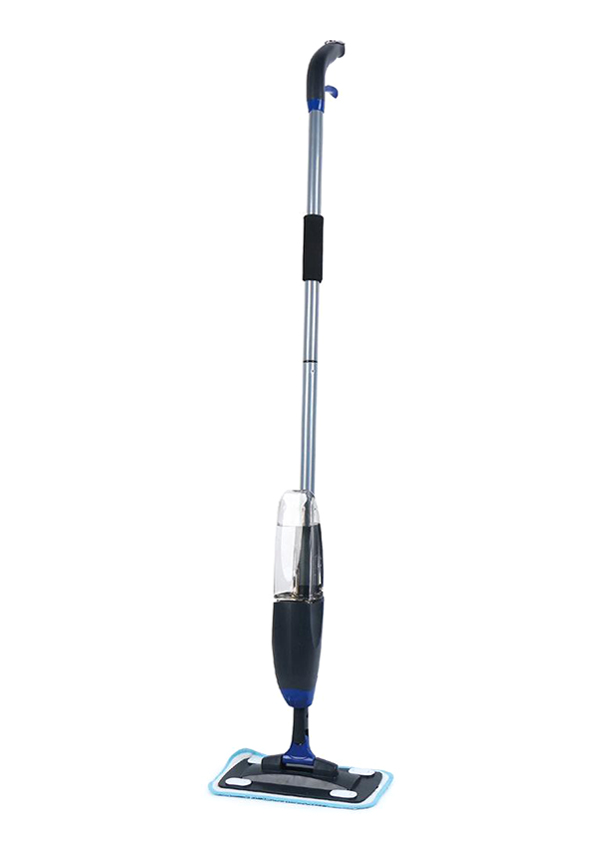
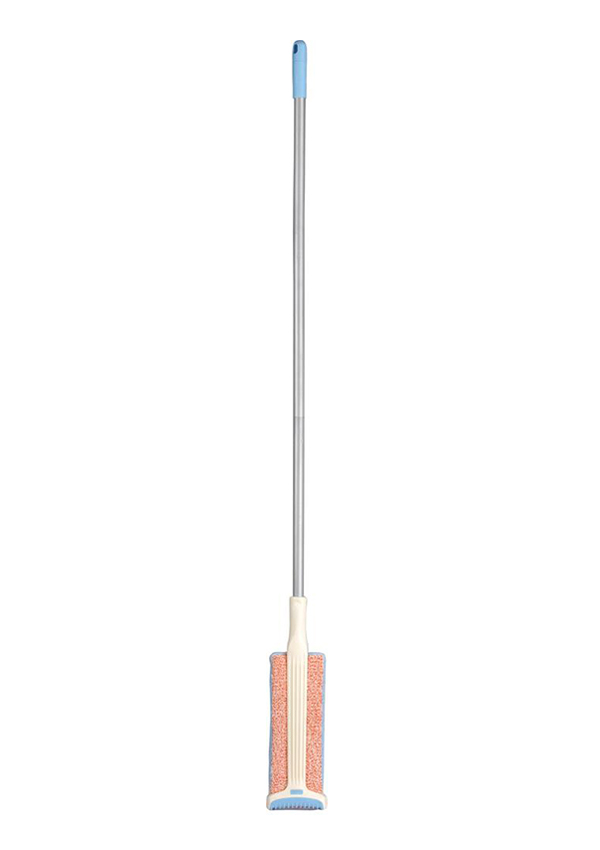
A cleaning duster is a tool specifically designed to remove dust particles from various surfaces. Unlike cloths or sponges, which may simply spread dust around, a well-designed duster traps and holds dust particles, preventing them from resettling on surfaces. Most modern dusters feature a handle (often made of plastic, wood, or metal) and a dust-attracting head made from materials such as microfiber, lambswool, ostrich feathers, or synthetic fibers.
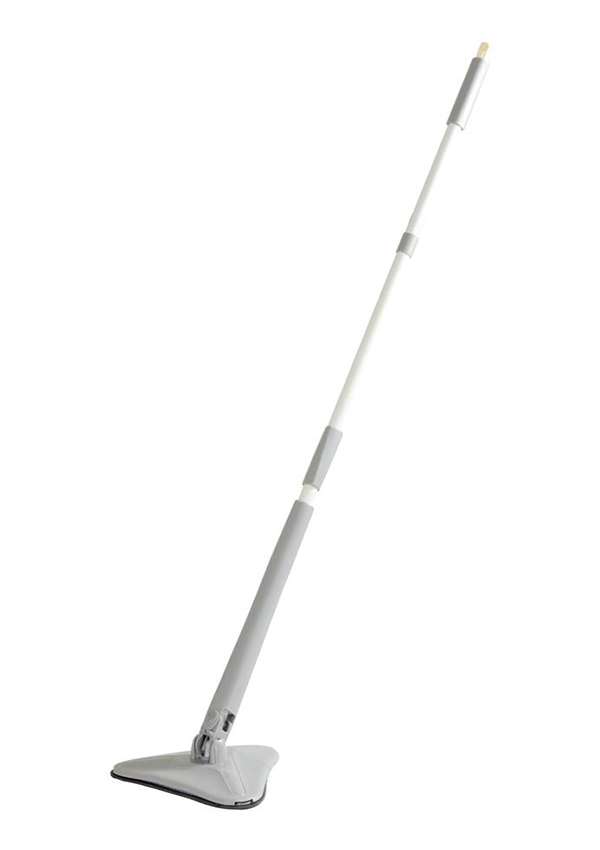
Some cleaning dusters are disposable—designed for single use or limited use before being thrown away—while others are reusable and can be washed multiple times. Certain specialized dusters also feature telescoping handles, allowing you to reach high ceilings, ceiling fans, and upper shelves without needing a step stool.
How Does a Cleaning Duster Work?
A cleaning duster operates on one of several principles: static attraction, mechanical trapping, or a combination of both. Understanding these principles helps you select the most suitable duster for your specific cleaning needs.
Mechanical Trapping: Traditional feather dusters and lambswool dusters rely on the physical properties of their fibers. The soft, flexible fibers of an ostrich feather duster create static electricity and trap dust through mechanical means. As the feathers are brushed over a surface, the tiny barbs on the feathers latch onto dust particles. Many users tap the duster outside to shake off loose dust after each use.
Electrostatic Attraction: Modern microfiber and electrostatic cleaning dusters are designed to generate static electricity when rubbed against surfaces. The positive or negative charge attracts dust particles that have the opposite charge. This electrostatic attraction allows the duster to pick up and hold dust without the need for cleaning sprays or liquids. Microfiber dusters, often known as duster wand replacements, are effective for trapping dust through static cling and the mechanical action of the fibers.
Trapping Dust in Microfibers: Microfiber dusters, particularly those with split microfiber technology, trap dirt and dust inside the fibers rather than just pushing it around. The split fibers create more surface area to attract and hold particles firmly within the cloth. Dust cannot be removed by simply shaking the duster—it must be washed out.
Cleaning dusters that use microfiber technology have become increasingly popular due to their superior dust-trapping capabilities. While microfiber dusters are excellent at picking up dust, many of them do not easily release dust when shaken, meaning you will need to wash them out to remove the collected dust.
Types of Cleaning Dusters: Which One Is Right for You?
Choosing the right cleaning duster depends on the surfaces you need to clean, the type of dust you are dealing with, and your personal preferences regarding maintenance and reusability. Here are the most common types of cleaning dusters available on the market.
Feather Dusters
The feather duster is a classic cleaning tool that has been used for centuries. Traditional feather dusters are made from ostrich feathers, which are soft, flexible, and naturally electrostatic. The feathers are attached to a wooden or metal handle, creating a lightweight and graceful tool that is ideal for dusting delicate surfaces and hard-to-reach areas such as ceiling corners, crown molding, and chandeliers.
Feather dusters are effective at picking up light, loose dust without scratching surfaces. They are particularly well-suited for decorative items like photo frames, china, and figurines. However, feather dusters are not washable and need to be replaced once they become too dirty. Many users prefer to tap their feather duster outside to remove loose dust after each use.
Microfiber Dusters
Microfiber cleaning dusters are among the most popular and effective options on the market. Made from synthetic fibers that are split into tiny wedge shapes, microfiber dusters trap dust through both mechanical action and electrostatic attraction. The split fibers create a larger surface area, allowing the duster to hold significantly more dust than traditional dusters.
Microfiber dusters are available in various forms: flat dusters, extendable dusters, dusting mitts, and duster wand replacements. Many feature a telescoping handle that can extend up to several feet, making them excellent for reaching high ceilings, ceiling fans, and tall shelves. Microfiber dusters are also washable and reusable, making them an economical and environmentally friendly choice.
One of the key advantages of microfiber dusters is that they do not require any cleaning sprays or liquids to be effective. The combination of split fibers and static cling allows them to pick up even the finest dust particles. Some high-quality microfiber dusters also work well on multiple surfaces, including those with a waxed finish.
Lambswool Dusters
Lambswool dusters are made from natural sheep's wool, which is known for its softness and excellent dust-attracting properties. The natural lanolin in the wool creates a gentle static charge that attracts and holds dust particles. Lambswool dusters are prized for their ability to trap dust without scratching delicate surfaces, making them ideal for cleaning antiques, electronics, and musical instruments.
Many high-quality lambswool dusters are washable, though they should be hand-washed with mild detergent and allowed to air dry to maintain the wool's natural oils and loft. Lambswool dusters are often more expensive than synthetic options, but they offer exceptional performance and durability.
Electrostatic Dusters
Electrostatic cleaning dusters are a relatively recent innovation that uses specially engineered materials to generate a strong static charge. These dusters are designed to attract dust like a magnet, picking up even microscopic particles that traditional dusters might miss. The electrostatic charge is created by the friction of the duster material against the cleaning surface.
Electrostatic dusters are particularly effective for cleaning electronics, computer screens, and other delicate equipment where static cling can be a concern. They work without water, sprays, or chemical cleaners, making them a safe and convenient option for many applications.
Disposable Dusters
Disposable dusters are designed for convenience and are typically made from synthetic materials that attract and trap dust. They are often used once and then thrown away, making them ideal for quick cleanups or for people who prefer not to wash and reuse their cleaning tools. Many disposable dusters are pre-treated with dust-attracting chemicals to enhance their performance.
While disposable dusters are convenient, they generate waste and can be more expensive in the long run compared to reusable options. They are best suited for infrequent use or for people with allergies who prefer to dispose of dust rather than risk spreading it during washing.
Benefits of Using a Cleaning Duster
Regular use of a cleaning duster offers numerous benefits for both your home and your health. Dusting is not merely a cosmetic activity—it significantly impacts indoor air quality and the longevity of your belongings.
Improved Indoor Air Quality: Dust contains allergens such as pollen, mold spores, dust mites, and pet dander. Regular dusting with an effective duster removes these particles from surfaces, preventing them from becoming airborne and being inhaled.
Protects Surfaces and Belongings: Dust can be abrasive and cause scratches on delicate surfaces such as wood, glass, and polished metals over time. Using a soft cleaning duster removes dust safely without damaging your furniture, electronics, or collectibles.
Efficiency and Time Savings: A good cleaning duster can significantly speed up your cleaning routine. Unlike cloths that require wetting, wringing, and frequent rinsing, a duster allows you to quickly remove dust from large areas without the need for water or cleaning solutions.
Reduces Allergies and Respiratory Issues: By removing dust from surfaces rather than simply moving it around, a high-quality duster helps reduce the amount of dust in the air. This can be particularly beneficial for people with asthma, allergies, or other respiratory conditions.
How to Choose the Right Cleaning Duster
With so many options available, selecting the right cleaning duster can feel overwhelming. Consider these factors to make an informed decision.
Surface Type and Sensitivity
If you are cleaning delicate surfaces such as polished wood, glass, or electronics, choose a soft, non-abrasive duster such as lambswool or a high-quality microfiber duster. For rougher surfaces like baseboards or window sills, a more durable synthetic duster may be more appropriate.
Reach and Accessibility
If you need to dust high ceilings, ceiling fans, or upper shelves, choose a duster with a telescoping handle. Many extendable dusters can reach up to 10 feet or more, eliminating the need for a step stool. Feather dusters are lightweight and long, making them effective for high, hard-to-reach areas.
Washability and Reusability
Reusable cleaning dusters are more economical and environmentally friendly than disposable options. Microfiber and lambswool dusters can be washed and reused many times, while feather dusters and disposable dusters must be replaced once they become dirty.
Allergies and Sensitivities
If you suffer from allergies, consider an electrostatic or microfiber duster that traps dust effectively and does not release it back into the air. These dusters are often washable and can be used to capture allergens quickly.
Budget and Usage Frequency
For occasional use, a basic feather duster or disposable duster may suffice. For regular, heavy-duty cleaning, invest in a high-quality microfiber or lambswool duster that will last longer and perform better over time.
How to Use a Cleaning Duster Effectively
To get the most out of your cleaning duster, follow these practical tips and techniques.
Dust from Top to Bottom: Always start dusting from the highest surfaces and work your way down. This ensures that any dust that falls during the process is captured when you clean the lower surfaces.
Use Light, Gentle Strokes: Use light, sweeping motions to avoid damaging delicate surfaces. Do not press too hard—let the duster's fibers do the work. For feather dusters, a gentle swish is often enough.
Clean the Duster Regularly: For reusable dusters, clean them according to the manufacturer's instructions. Wash microfiber dusters in warm water with mild detergent and allow them to air dry. Avoid using fabric softeners, as they can coat the fibers and reduce their static-cling properties. Lambswool dusters should be hand-washed and air-dried to preserve their natural lanolin content.
Shake Dust Outside: If using a feather duster, take it outside and gently shake it to remove loose dust. Alternatively, many microfibre dusters will release dust when you shake them over a bin, allowing for quick clean-up.
Store Properly: Store your cleaning duster in a clean, dry place. Hanging it on a hook can help maintain its shape and prevent the fibers from becoming matted.
Common Mistakes to Avoid When Using a Cleaning Duster
Even the best cleaning duster can underperform if you make common mistakes. Avoid these pitfalls to ensure effective dusting.
Using a Dirty Duster: A dirty duster simply spreads dust around rather than removing it. Always ensure your duster is clean and free of accumulated dust before starting your cleaning session.
Dusting with Pressure: Pressing too hard can damage delicate surfaces and reduce the duster's effectiveness. Use light, sweeping motions instead.
Using the Wrong Duster for the Job: A feather duster is not suitable for heavy, ingrained dirt. Use microfiber or lambswool dusters for more demanding tasks.
Washing Microfiber with Fabric Softener: Fabric softeners coat the microfiber fibers, reducing their ability to attract and trap dust. Always wash microfiber dusters without fabric softener.
Skipping Regular Cleaning: Infrequent dusting allows dust to build up and become harder to remove. Establish a regular dusting schedule to maintain a clean and healthy environment.
Environmental Considerations and Sustainability
The environmental impact of cleaning dusters varies significantly between types. Disposable dusters, while convenient, contribute to landfill waste. Reusable cleaning dusters—particularly those made from natural materials like lambswool and high-quality microfiber—offer a more sustainable option.
Microfiber dusters can last for hundreds of washes, significantly reducing waste over time. Lambswool dusters are made from a renewable resource and can last for years with proper care. Feather dusters, if made ethically, can also be a sustainable choice.
When choosing a cleaning duster, consider not only its performance but also its environmental footprint. Investing in a durable, reusable duster saves money in the long run while reducing waste.
Cleaning Duster Safety Tips
While cleaning dusters are generally safe to use, a few precautions can enhance safety and prolong the life of your tool.
For hard-to-reach areas, never stand on chairs or unstable surfaces while dusting. Use a telescoping handle or a step stool that is stable. When dusting high areas, be mindful of loose objects that may fall. Check your duster for loose parts or damaged fibers before each use. Keep dusters away from open flames and heat sources, as some materials can be flammable.
Frequently Asked Questions About Cleaning Dusters
What is a cleaning duster?
A cleaning duster is a tool designed to remove dust, dirt, and allergens from various surfaces without scratching or damaging them. It typically consists of a handle and a dust-attracting head made from materials such as microfiber, lambswool, ostrich feathers, or synthetic fibers. Cleaning dusters can be reusable or disposable.
What is the best type of cleaning duster for electronics?
For electronics such as computer screens, keyboards, and television screens, electrostatic or microfiber dusters are ideal. They trap dust without scratching delicate surfaces and do not require water or cleaning sprays, which could damage electronic components.
Can I wash a cleaning duster?
Yes, many cleaning dusters are washable. Microfiber dusters can typically be machine-washed with warm water and mild detergent, but fabric softeners should be avoided as they reduce the fibers' static-cling properties. Lambswool dusters should be hand-washed and air-dried. Feather dusters and disposable dusters generally cannot be washed.
What is the difference between a feather duster and a microfiber duster?
Feather dusters are made from ostrich feathers and are lightweight, soft, and effective for light dusting on delicate surfaces. They are not washable. Microfiber dusters are made from synthetic split fibers that trap dust through mechanical action and static attraction. They are highly effective, washable, and suitable for a wide range of surfaces.
How often should I replace my cleaning duster?
Replace your cleaning duster when the fibers become worn, matted, or no longer effectively trap dust. Feather dusters should be replaced when the feathers become damaged or too dirty to clean. High-quality microfiber and lambswool dusters can last for years with proper care.
Can I use a cleaning duster with furniture polish?
Yes, some cleaning dusters can be used with furniture polish. However, it is often not necessary—many dusters work effectively without any additional products. If you do use polish, apply it sparingly and allow it to absorb before dusting to avoid a greasy residue.
Are cleaning dusters good for allergies?
Yes. A good cleaning duster traps dust, pollen, and other allergens, preventing them from becoming airborne. Electrostatic and microfiber dusters are particularly effective at capturing fine particles that can trigger allergies and respiratory issues.
What is an electrostatic cleaning duster?
An electrostatic cleaning duster is designed to generate a static charge when rubbed against surfaces, attracting and holding dust particles through electrostatic attraction. These dusters are particularly effective for capturing fine dust and are ideal for use on electronics and other delicate surfaces.
Can I use a cleaning duster on waxed wood furniture?
Yes, but choose a soft duster such as lambswool or a high-quality microfiber duster. Avoid abrasive materials that could scratch the finish. Dusters that rely on mechanical action rather than static cling may be more suitable for waxed surfaces.
What is the best way to clean a microfiber duster?
Wash microfiber dusters in warm water with mild detergent. Avoid bleach and fabric softeners, which can damage the fibers. Allow the duster to air dry. For best results, wash microfiber dusters separately from other items to prevent lint from becoming trapped in the fibers.
Are lambswool dusters better than microfiber dusters?
Lambswool and microfiber dusters each have their strengths. Lambswool dusters are exceptionally soft and gentle on delicate surfaces and have natural static-charge properties. Microfiber dusters are highly effective at trapping dust and are often more durable and less expensive. The best choice depends on your specific cleaning needs and preferences.
Can I use a cleaning duster to clean ceiling fans?
Yes. An extendable cleaning duster with a telescoping handle is ideal for reaching ceiling fans. Use a duster with soft, non-abrasive fibers to avoid scratching the fan blades. A microfiber or lambswool duster is an excellent choice for this task.
Is there a difference between indoor and outdoor cleaning dusters?
While cleaning dusters can be used both indoors and outdoors, some dusters are specifically designed for outdoor use, such as for cleaning cars or patio furniture. Outdoor dusters often have more durable materials and may be designed for wet or dry use. For general household dusting, indoor-specific dusters are typically sufficient.
How do I get rid of dust mites with a cleaning duster?
A cleaning duster can remove dust and reduce dust mite populations by eliminating their food source—dust and dander. For best results, use a microfiber or electrostatic duster that traps fine particles. Regular vacuuming and washing of bedding and upholstery are also important for controlling dust mites.
Can I use a cleaning duster for deep cleaning?
Cleaning dusters are designed for light to moderate dusting and are not suitable for deep cleaning tasks such as removing stubborn dirt or grime. For deep cleaning, use a combination of dusting, vacuuming, and damp wiping with appropriate cleaning products.