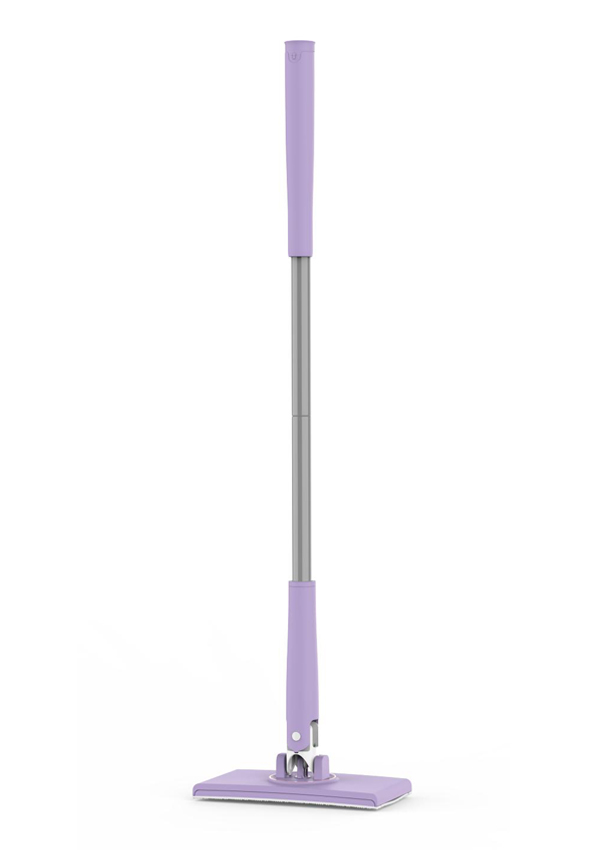
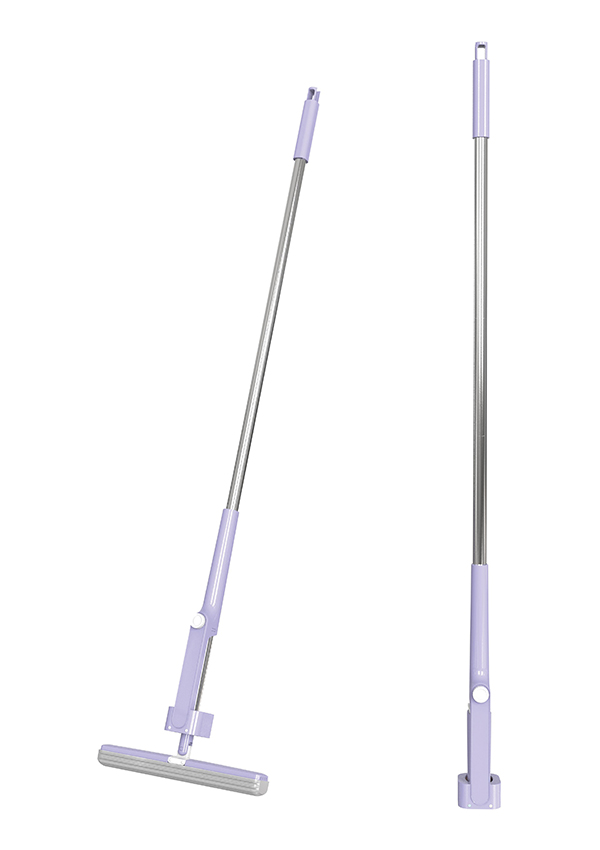
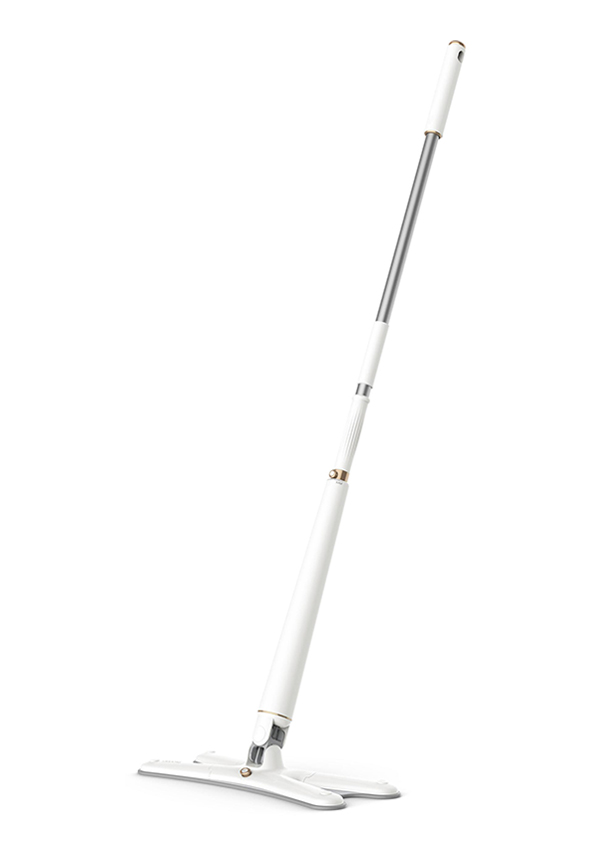
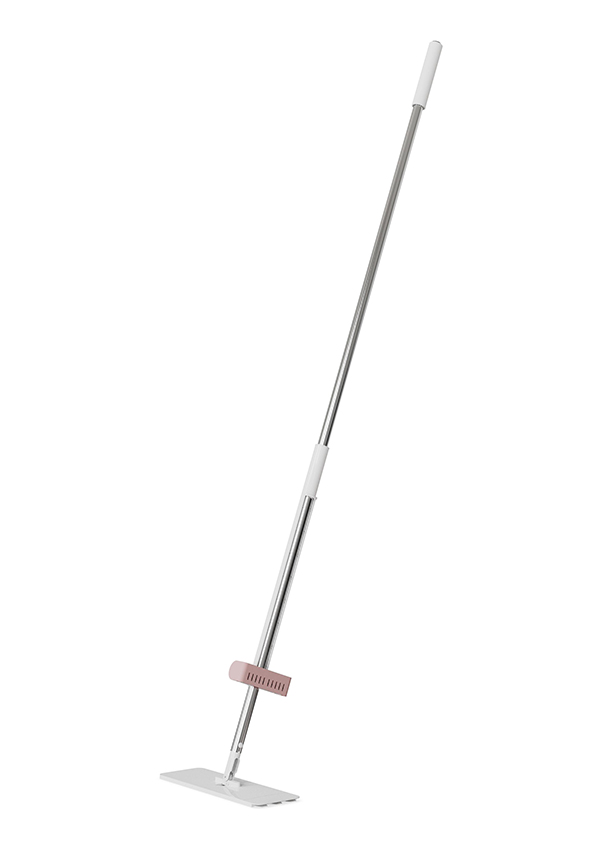
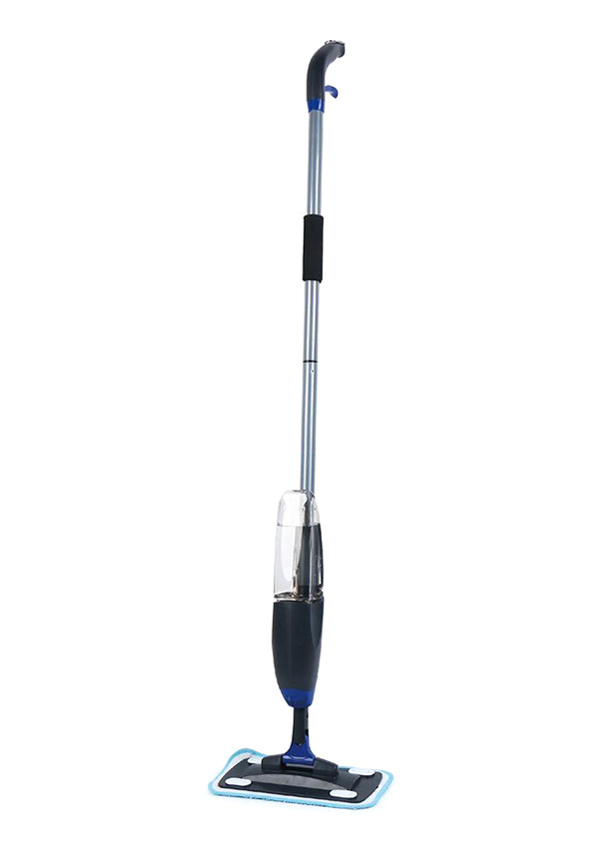
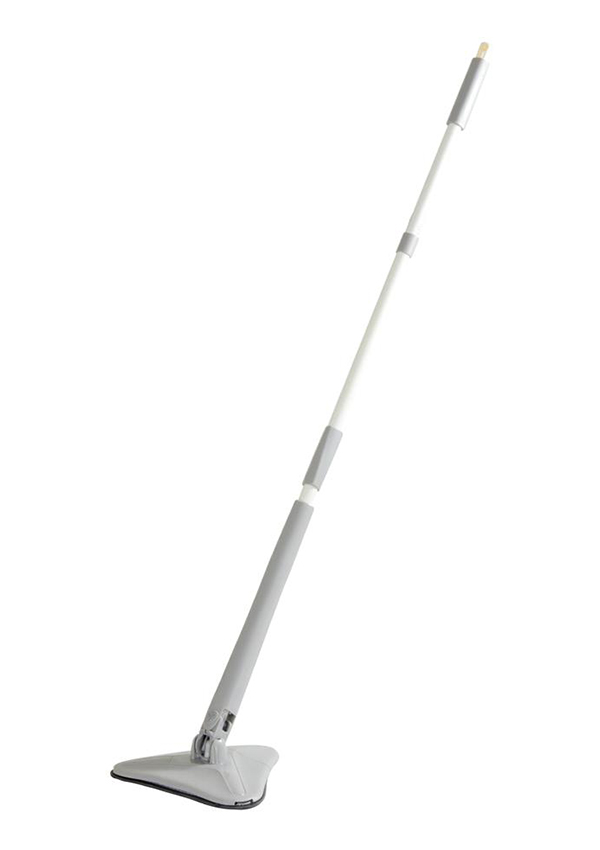
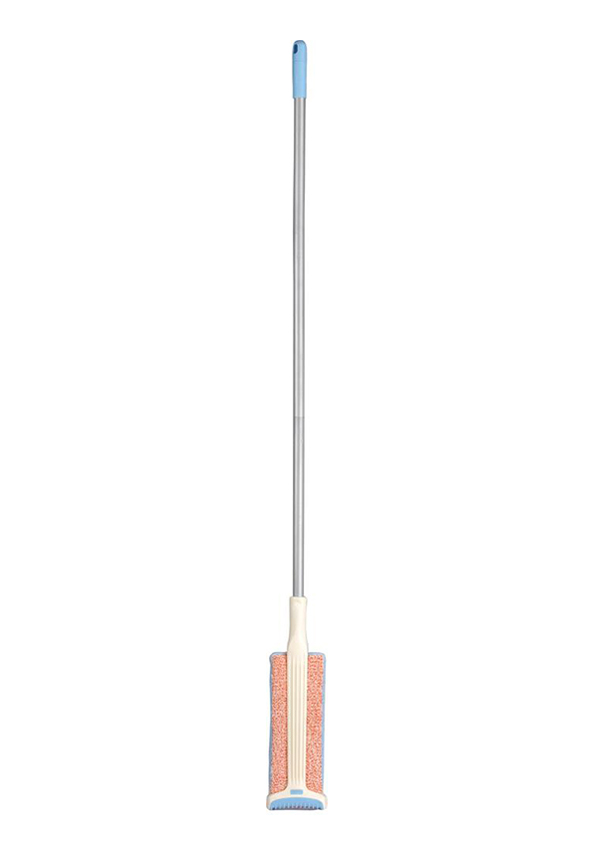
A good Cleaning Duster traps dust in its fibres rather than pushing it back into the air. Microfiber Dusters do this best because their split fibres form a large surface that holds particles by static and fine structure. Dusters with Refills add a choice of dry or treated sheets for extra pickup and a pleasant finish, and they suit homes that want less washing. For most rooms, a washable microfiber head on an extendable handle gives the best balance of cost, reach, and results.
Short Answer: Which Duster to Choose
Choose a microfiber duster with a washable head for daily dusting of furniture, shelves, and window frames. Choose a duster with refills when you want a quick, low effort clean on high surfaces, or when you clean electronics and glass and prefer to use a dry or lightly treated sheet. Both types work well together, and many households keep one of each.
- Microfiber heads hold dust through static charge and fibre structure, so they need little or no spray.
- Washable heads can often be used for 100 to 200 wash cycles before the fibres start to lose their grip.
- Refill sheets are usually replaced after one use, which adds a recurring cost but saves washing time.
- An extendable handle of about 60 to 120 centimetres lets you reach ceiling fans, cornices, and high shelves without a ladder.
How Microfiber Traps Dust
Microfiber is made from very fine synthetic fibres, often polyester and polyamide blends. Many of these fibres are split during manufacture, which creates thousands of tiny edges and channels along each strand. These edges catch dust particles, skin flakes, and oily film, and the fibres also build a light static charge that pulls fine dust toward the surface.
Why dry microfiber works
A dry microfiber duster lifts dust from a hard surface by contact and static attraction. Because it does not need liquid, the dust is carried away on the fibres rather than smeared across the surface. This makes dry microfiber a good first step before any wet cleaning on wood, glass, or electronics.
Why damp microfiber works better on oily marks
Lightly dampened microfiber helps remove fingerprints, cooking film, and sticky residue. Water alone can lift many oily marks, but a very wet cloth leaves streaks and can damage finishes. A slightly damp duster is usually enough, and it should be wrung well before use.
Microfiber Dusters Compared With Feather and Cotton
Older dusting tools such as feather dusters and cotton cloths still have uses, but they behave differently from microfiber. The table below shows the main differences in pickup, reach, and care.
| Tool | Dust pickup | Reach | Care needed |
|---|---|---|---|
| Microfiber duster | High, holds dust in fibres | Good with extendable handle | Wash and dry regularly |
| Feather duster | Moves dust around more easily | Good on delicate ornaments | Shake outdoors and replace when worn |
| Cotton cloth | Moderate, needs dampening | Limited without a handle | Wash after each use |
| Duster with refills | High with the right sheet | Good with extendable handle | Replace sheets, wash the frame |
Feather dusters can scatter fine dust into the air if they are shaken or used too fast. Microfiber tends to hold the dust, which makes it a better choice in rooms where dust settles on surfaces quickly and where people are sensitive to airborne particles.
Dusters with Refills: Types and Uses
Dusters with refills use a reusable handle and a disposable or replaceable sheet. The refill is the working part, and each type is designed for a particular job. Choosing the right refill makes the difference between a clean that looks good and one that leaves residue or static.
| Refill type | Typical use | Main benefit | Replacement pattern |
|---|---|---|---|
| Dry dusting sheet | Furniture, shelves, and electronics | Traps dust without liquid | One use or a few light uses |
| Lightly treated sheet | Wood and sealed surfaces | Lifts dust and leaves a light sheen | One use per room |
| Antistatic sheet | Screens, TVs, and computer cases | Reduces static pull and re dust | One use per session |
| Washable microfiber sleeve | General dusting and lamp shades | Lower running cost | Wash after each use |
Some treated sheets contain oils or polishes. These can be pleasant on wood but may build up on glass or leave film on screens. Check the surface guidance on the refill packaging before using a treated sheet on a finished or electronic item.
Handle Length, Head Shape, and Reach
The handle and head decide how easily a duster reaches the surfaces that matter. A short handle is fine for shelves at waist height, but ceiling corners, fan blades, and top of wardrobes need a longer reach and a head that can turn.
- A handle that extends to about 60 to 120 centimetres covers most rooms without a ladder.
- A pivoting head of about 360 degrees lets the duster follow the shape of curved surfaces and fan blades.
- A lightweight aluminium or plastic handle reduces arm strain on long dusting sessions.
- A head width of about 25 to 35 centimetres suits most shelves, while narrow heads are better for slats and radiators.
When buying, extend the handle and check that the joints lock firmly. A wobbly joint makes it harder to control the head and can cause the handle to collapse during use.
Washing and Caring for Microfiber Heads
Microfiber works well for a long time when it is washed correctly. The most common mistakes are using fabric softener, washing with heavy cotton items, and drying at high heat. Each of these reduces the fibre structure that makes the duster effective.
- Shake off loose dust outdoors or over a bin before washing, so the washing machine does not fill with dust.
- Wash the head separately or with other microfiber items, using a mild detergent and warm water at about 40 degrees Celsius.
- Avoid fabric softener, bleach, and starch, since they coat the fibres and reduce their ability to hold dust.
- Air dry the head or use a low heat setting, and keep it away from direct high heat that can melt or harden the fibres.
- Replace the head when it no longer picks up dust well, when the fibres look flattened, or when it smells even after washing.
Keep separate dusters for kitchen surfaces and for bathrooms, or wash them separately, to avoid carrying grease and bacteria from one room to another.
Surface Guide: What to Use on Each Area
Different surfaces need different duster types. Using the right tool on the right surface protects finishes, prevents streaks, and keeps the cleaning fast.
| Surface | Recommended duster | Care approach |
|---|---|---|
| Wood furniture | Dry microfiber or lightly treated sheet | Avoid heavy sprays and silicone products |
| Glass and mirrors | Damp microfiber then dry microfiber | Use minimal water to avoid streaks |
| Television and monitors | Antistatic or dry microfiber | Never spray liquid directly on the screen |
| Ceiling fans and light fittings | Extendable duster with pivoting head | Turn off power before cleaning |
| Blinds and slatted surfaces | Narrow microfiber head or sleeve | Dust one slat at a time |
| Books and ornaments | Soft dry microfiber | Dust gently and avoid moisture |
Electronics and screens should be dusted only with dry or antistatic sheets, and the device should be switched off first. Liquids can enter ports and vents, so they should be kept away from electrical items.
Cost Per Use and Buying Value
The real cost of a duster is the cost of each clean, not the price of the handle. A washable microfiber head has a low cost per use if it lasts many washes. A refill system has a higher cost per use, but it saves time and avoids the need to wash. The comparison below shows the two approaches with example figures.
| Option | Starting cost | Estimated uses | Cost per use |
|---|---|---|---|
| Washable microfiber head | About 8 US dollars | 150 uses | About 0.05 US dollars |
| Duster with refill sheets | About 15 US dollars plus refills | Each sheet used once | About 0.25 US dollars per sheet |
| Feather duster | About 6 US dollars | Long life with care | Varies with use |
These figures are estimates and depend on the brand, the market, and how often the duster is washed. The key point is that the washable head is the lowest cost option per clean, while refills trade some cost for convenience.
Common Mistakes When Using Microfiber Dusters
Most poor dusting results come from small habits. Correcting these habits improves the clean and extends the life of the duster.
- Spraying cleaner directly onto the duster, which leaves the head too wet and can cause streaks.
- Washing with fabric softener, which blocks the fibres and reduces dust pickup.
- Using one duster for the whole home, which spreads grease from kitchens to bedrooms.
- Dusting too fast, which lifts dust into the air instead of trapping it.
- Ignoring a worn head, which leaves dust behind and makes the surface look dull.
A Dusting Routine That Works Room by Room
Dusting is most effective when it follows a routine. Starting at the top of a room and working down means that dust falling from high surfaces is caught by the lower ones, instead of landing on areas that were already cleaned. A consistent order also makes it easy to tell when a surface was last done.
| Room | Start with | Finish with | Duster type |
|---|---|---|---|
| Bedroom | Ceiling fan and light fittings | Floor edges and skirting | Extendable microfiber head |
| Living room | Picture frames and shelves | Furniture surfaces and tables | Microfiber and refill sheet |
| Kitchen | Range hood and top cabinets | Counter edges and appliances | Washable microfiber only |
| Office | Shelves and wall units | Desks, keyboards, and screens | Antistatic sheet for electronics |
Keep one duster for high and dry surfaces, and a separate one for the lower and slightly sticky areas. This prevents the dust that settles on high shelves from travelling down onto the lower parts of the room during the clean.
Dust, Allergens, and Air Quality
Many households dust to reduce the visible dust and the particles that can irritate sensitive people. A duster that holds dust, rather than lifting it into the air, supports this goal. It does not remove all allergens, but it reduces the amount of loose dust that moves around during cleaning.
For people with allergies or asthma, dusting is often easier when the room is ventilated after cleaning and when bedding, carpets, and soft furnishings are cleaned on a regular schedule. Ask a health professional for advice on specific triggers, because the right plan depends on the person and the cause of their symptoms.
- Dust before vacuuming, so that the dust removed by the duster is picked up by the vacuum rather than settling again.
- Use slow, controlled strokes and keep the head close to the surface to avoid lifting dust into the breathing zone.
- Wash the microfiber head after each full room clean, since a loaded head can release dust during the next session.
- Air the room for a short period after dusting, with windows open where weather allows.
Storage, Organisation, and Replacement Planning
A duster stored badly loses its usefulness quickly. Heads that are stored damp can develop odor and mould, and refills that are left open can dry out or collect dust before use. A simple storage plan keeps each duster clean and ready for the next session.
- Hang the extendable handle and head on a hook or in a clean cupboard, with the head fully dry and free of grit.
- Keep spare washed heads in a sealed bag or container to protect them from dust while they wait for use.
- Store refill sheets in their original packaging, away from heat and moisture, and use them before the best before date.
- Label separate dusters for kitchen, bathroom, and general use, so that they stay separate after washing.
- Record the date each washable head was first used, and replace it after the expected number of washes or when performance drops.
Replacement is easier to plan when the household keeps a small stock of spares. A spare head ready to use prevents the cleaning routine from stalling when the main head is in the wash.
Buying Checklist for Microfiber Dusters and Refill Systems
Price is only one factor. The checklist below covers the features that determine how well a duster works in daily use and how long it lasts. Use it to compare products on the same page or in the same store.
- Check the handle length range and confirm that the joints lock firmly when extended.
- Look for a pivoting head that can turn to reach curves, fan blades, and the tops of frames. A head that tilts and locks is easier to control on the ridge of a cornice than a fixed head.
- Confirm that the microfiber head is washable and that replacement heads are available at a reasonable price.
- Check the refill compatibility, and confirm that the refill sheets suit the surfaces in your home or office.
- Review the care label for washing temperature, drying method, and any products that should not be used.
- Look at the warranty and the return policy, especially for telescopic handles that may be used heavily.
| Feature level | Typical price range | Best for |
|---|---|---|
| Basic | About 8 to 20 US dollars | Occasional dusting of a small home |
| Mid range | About 20 to 45 US dollars | Regular dusting with a range of refills |
| Premium | About 45 to 90 US dollars | Large homes, offices, and frequent use |
These price ranges are general estimates and vary with brand, region, and promotion. A mid range duster with a long handle and a pivoting head often gives the best balance of reach and value for most households.
Frequently Asked Questions
What is a Cleaning Duster?
A Cleaning Duster is a tool with a head that collects dust from surfaces. Microfiber and refill based designs are the most common because they hold dust well and reduce the need for sprays.
Why are Microfiber Dusters better than feather dusters?
Microfiber holds dust in its split fibres, while feather dusters can move dust around and into the air. Microfiber is usually the better choice for surfaces where dust settles quickly.
How many times can a microfiber head be washed?
A good head can often last 100 to 200 washes if it is washed without fabric softener and dried at low heat. Replace it when it no longer picks up dust well.
Can I use Dusters with Refills on electronics?
Yes, but use a dry or antistatic sheet and switch the device off first. Never spray liquid onto a screen or into vents.
What is the difference between a dry and a treated refill?
A dry sheet traps dust without liquid, while a treated sheet adds a light finish or lift for wood and sealed surfaces. Check the packaging to choose the right type for each surface.
How long should the handle be?
A handle that extends to about 60 to 120 centimetres reaches most ceilings and high shelves in a typical room without using a ladder.
Should I wet a microfiber duster?
Only lightly. A slightly damp head helps lift fingerprints and oily marks, but a very wet head leaves streaks and can damage finishes.
How do I wash a microfiber duster?
Shake off dust, wash in warm water at about 40 degrees Celsius with mild detergent, avoid fabric softener, and air dry or use a low heat setting.
Are refills worth the cost?
Refills cost more per clean than a washable head, but they save time and avoid washing. They are useful for quick cleaning, high surfaces, and electronics where convenience matters.
How often should I replace my duster?
Replace the washable head when it stops holding dust, when the fibres look flattened, or when it keeps an odor after washing. Replace refill sheets after each use or as the packaging recommends.
Why Regular Dusting Protects Furniture and Finishes
Dust is more than a visual problem. Fine grit acts like sandpaper when it is wiped across a finish, and it can dull varnish, lacquer, and painted surfaces over time. Regular dusting with a soft microfiber head removes this grit before it can scratch, which keeps furniture looking good for longer.
Dust also collects in the grooves of carved wood, around hinges, and behind objects on shelves. A duster with a flexible head or a narrow sleeve reaches these areas without pressing grit into the surface. Dusting every one to two weeks in living areas and every month in rarely used rooms is a practical rhythm for most homes. Dusting before polishing is also a good habit, because polish applied over loose grit can trap particles in the finish and create a cloudy look that is hard to remove later.
Key Takeaways
Trap the dust, keep the duster clean, and match the refill to the surface
A Cleaning Duster built on microfiber holds dust in its fibres and reduces the need for sprays. Microfiber Dusters give the best value for daily dusting when they are washed correctly, while Dusters with Refills add convenience for high surfaces, electronics, and quick cleans.
Choose a handle that reaches your ceilings, keep separate dusters for different rooms, and avoid fabric softener when washing. These steps keep the results clean, the surfaces safe, and the running cost low. Over time, a small notebook or phone note that records when each head was washed and when each refill was opened will show the true running cost of your dusting routine, and it will make the next purchase decision much easier. Sharing these notes with other people in the household also helps everyone follow the same routine, which keeps the home clean without one person carrying the whole load.