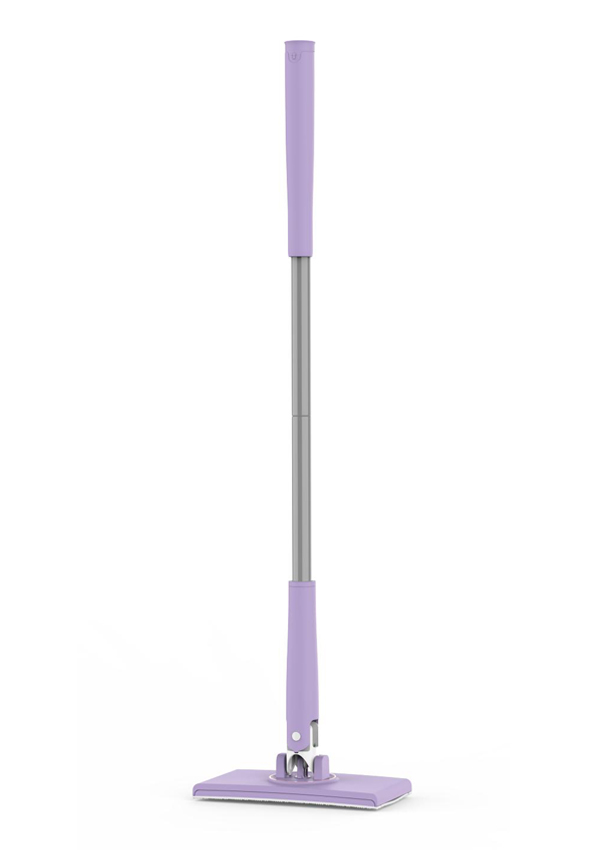
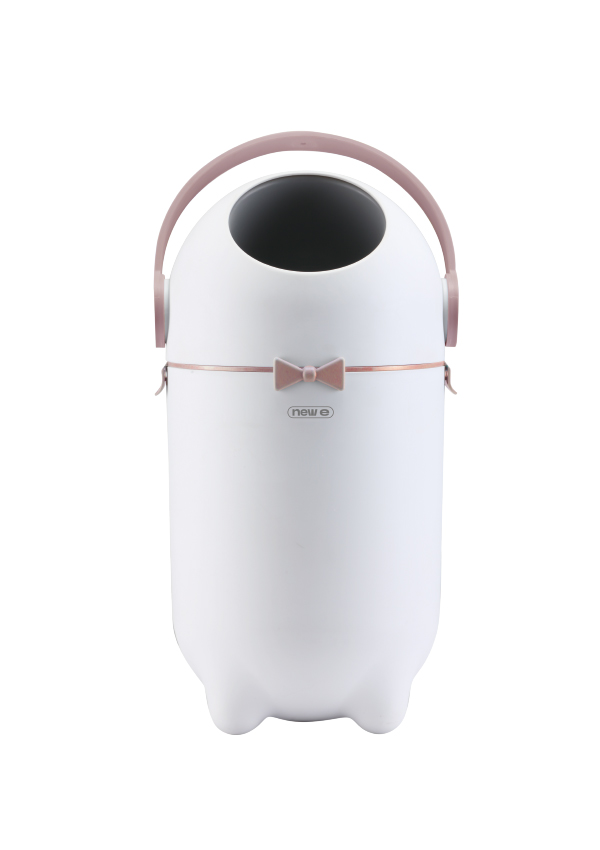
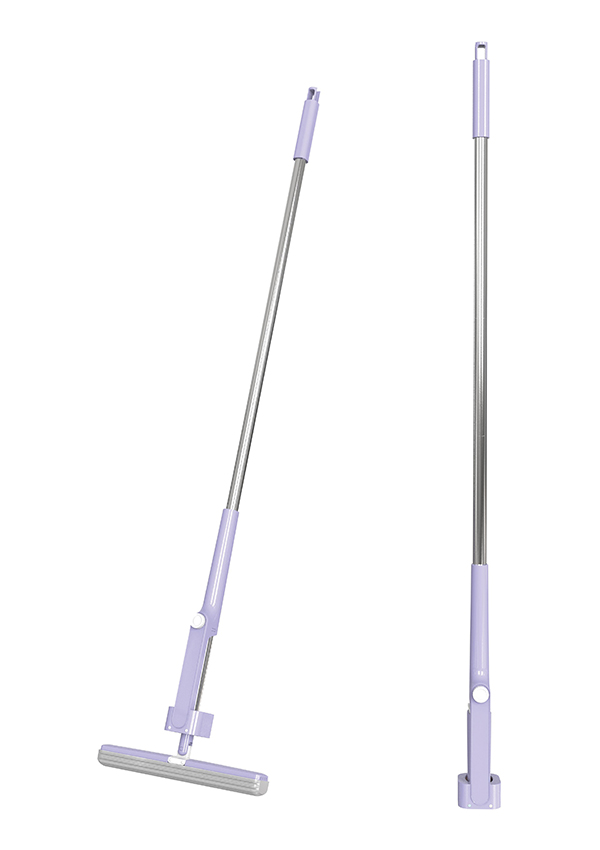
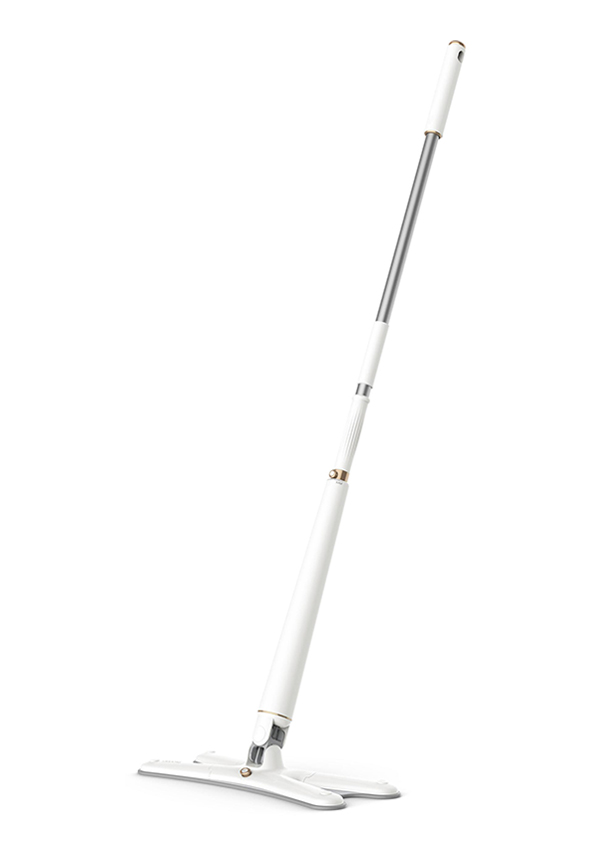
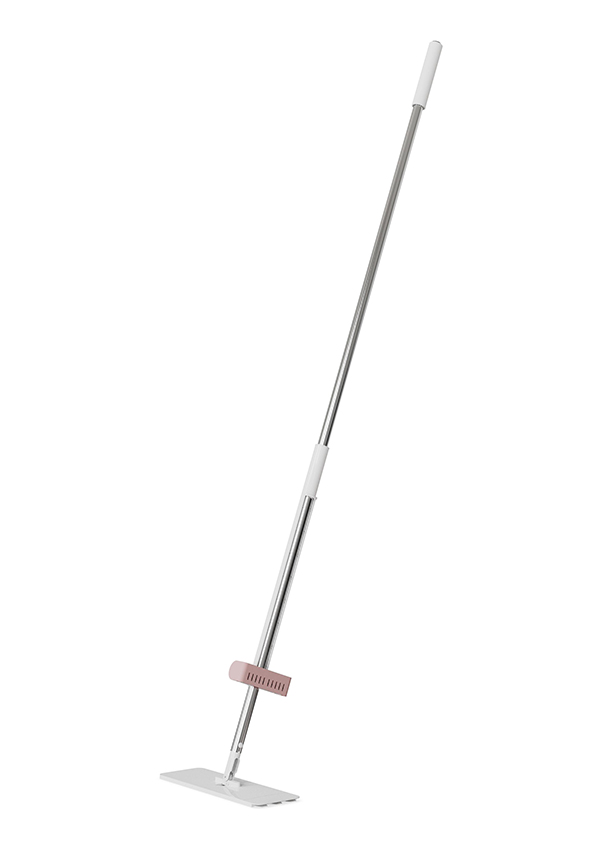
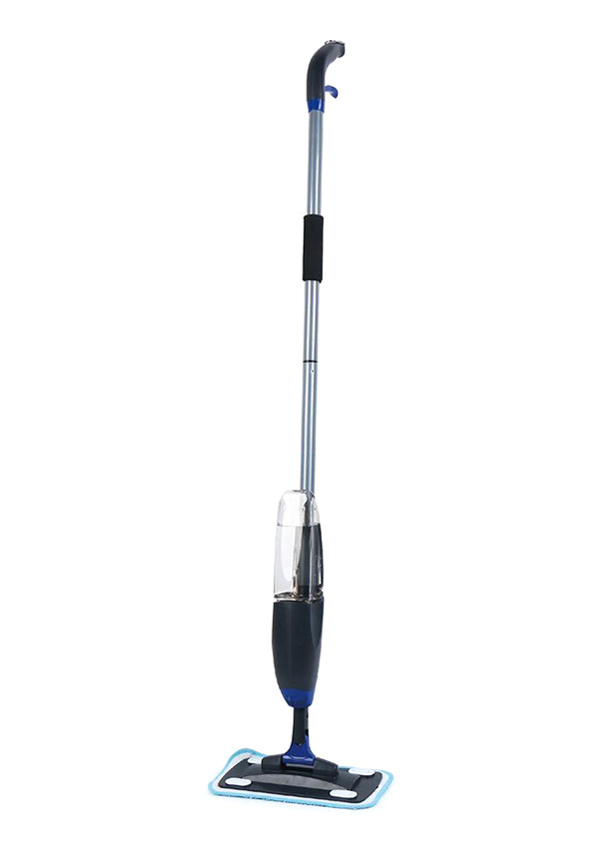
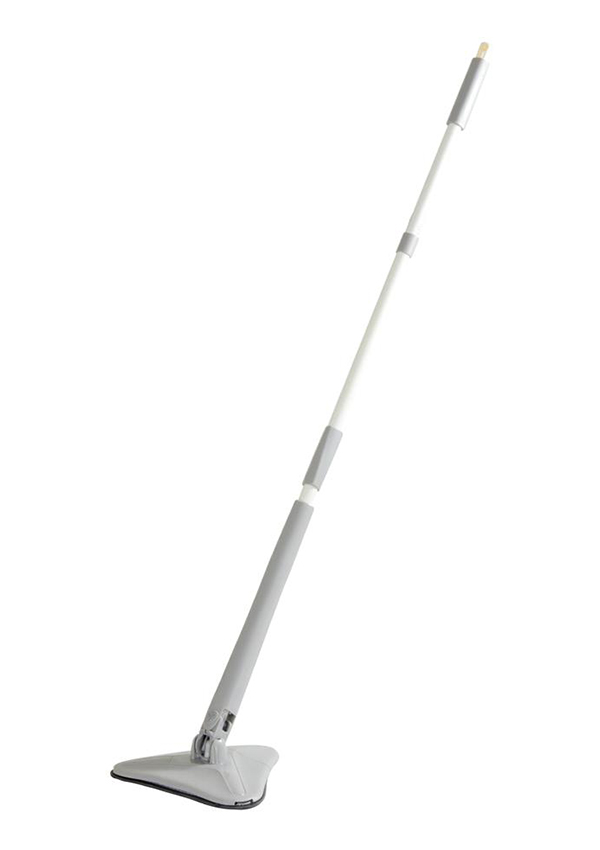
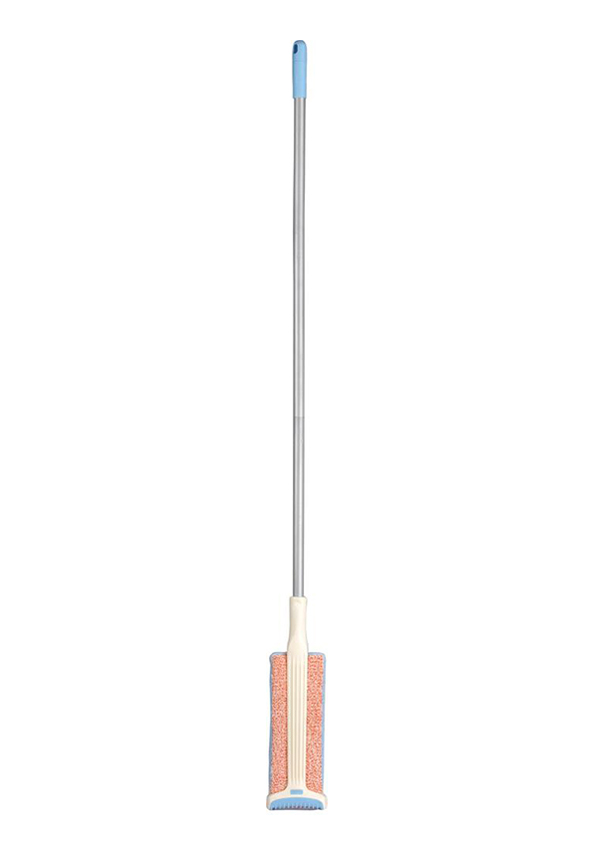
For most homes, offices, and light commercial spaces, a Mop with Bucket based on a flat head and a wringer is the most efficient daily floor tool. A Cleaning Flat Mop Bucket with a flat mop head, a press system, and two compartments keeps the cleaning solution clean, reduces the amount of water on the floor, and works well on tile, vinyl, and sealed wood. The right setup can clean about 100 to 150 square metres per hour, and it leaves the floor drier and streak free when used with the right method.
Short Answer: What Makes a Good Mop Bucket Set
A good mop bucket set has three parts that work together: a bucket that holds clean and dirty water apart, a wringer that removes the right amount of liquid, and a mop head that picks up dirt without leaving puddles. Each part should be sized to the floor area, the cleaning routine, and the way the set will be stored and moved.
- A flat mop head with a microfiber pad covers about 40 to 60 centimetres in width and cleans in straight, even strokes.
- A bucket between 20 and 30 litres handles a typical room of 80 to 120 square metres before the water needs to be replaced.
- A press wringer that squeezes the pad to a damp, not wet, state reduces streaks and slip risk.
- Two separate compartments, one for clean solution and one for dirty water, prevent the mop from spreading dirt back onto the floor.
Types of Mop with Bucket Systems
Mop with bucket systems come in several designs. Each one suits a different level of cleaning, a different floor type, and a different budget. Choosing the right type is the first step toward a cleaner floor with less effort.
| System type | Main feature | Best task | Typical bucket size |
|---|---|---|---|
| Flat mop with press wringer | Flat head and foot operated press | Daily cleaning of tile and vinyl | 20 to 30 litres |
| Spin mop bucket | Spinning basket that removes water | Quick cleaning of medium areas | 12 to 20 litres |
| String mop bucket | Cotton or blend strands on a round head | Heavy cleaning and rough surfaces | 10 to 20 litres |
| Microfiber flat mop set | Microfiber pad that holds dirt | Sealed wood, laminate, and glossy floors | 15 to 25 litres |
| Commercial dual bucket cart | Two buckets with a rolling cart | Large offices and public spaces | 30 to 40 litres each |
The flat mop with a press wringer is the most common choice for home and light commercial use. The spin and string systems work well for specific tasks, but the flat system usually gives the best balance of speed, coverage, and hygiene.
How the Wringer Controls Floor Results
The wringer is the part of the mop bucket that controls how wet the pad is when it touches the floor. A pad that is too wet leaves puddles, slows drying, and can damage wood or laminate. A pad that is too dry picks up less dirt and leaves smears. The right wringing level depends on the floor, but most cleaners aim for a pad that feels damp rather than dripping.
Press wringers
A press wringer uses a roller or lever to squeeze the pad. It is simple to use and gives a steady result when the pad is changed regularly. Foot operated presses keep the hands clean and leave both hands free for the mop handle.
Spin wringers
A spin wringer uses a basket that spins the mop head to remove water. It can remove water quickly, but it may leave the pad slightly drier than needed on some floors, and the basket must be kept clean to avoid spreading grit.
Setting the right wetness
A simple test works well. Press the pad against a clean surface and check the mark it leaves. A dry mark with no shine is about right for most sealed floors. A visible wet film means the pad should be wrung again before cleaning continues.
Cleaning Method for Flat Mop Buckets
The method matters as much as the equipment. A flat mop bucket works best when the floor is cleaned in a planned order, with clean solution kept clean and the dirty water changed often enough to stop it spreading dirt. The two bucket method is widely used because it keeps the rinse water separate from the cleaning solution.
- Sweep or vacuum the floor first, so that loose grit does not turn into abrasive mud when wet.
- Mix the cleaner at the dilution stated on the label, and fill the clean compartment first.
- Start at the far corner of the room and work toward the exit, so that you do not walk on the clean floor.
- Wipe in straight overlapping strokes, and keep the pad in contact with the floor for a steady, even pass.
- Rinse the pad in the dirty compartment after each section, and wring it again before returning to the floor.
- Replace the cleaning solution when it looks cloudy or when about 10 to 20 square metres have been cleaned per litre of water on heavily soiled floors.
Finish each room by leaving the door open to allow the floor to dry. Keep foot traffic off the cleaned area until the surface is dry, which usually takes 10 to 20 minutes on sealed tile and longer on wood.
Dilution, Chemicals, and Water Use
Cleaner dilution affects both the result and the cost. Too strong a solution leaves residue and can make floors slippery. Too weak a solution leaves dirt behind and needs more passes. Following the label dilution keeps the balance right and avoids wasting product.
| Floor type | Suitable cleaner type | Typical dilution guidance | Water change guidance |
|---|---|---|---|
| Ceramic and porcelain tile | Neutral or mild alkaline cleaner | Follow label, often a small measure per litre | Change about every 15 to 25 square metres |
| Vinyl and luxury vinyl | Neutral pH cleaner | Use lower strength than tile | Change about every 20 square metres |
| Sealed wood and laminate | Wood safe or pH neutral cleaner | Use a light solution and wring well | Change more often to avoid moisture |
| Concrete and garage floors | Degreaser or alkaline cleaner | Stronger dilution for oil and grime | Change frequently when dirty |
| Stone and marble | Stone safe, pH neutral cleaner | Light solution only | Change often and rinse well |
Water use is easy to control with a simple habit. Track the number of square metres cleaned before the water changes, and set a reminder based on that number. Dirty water left in the bucket for a long period can smell and spread bacteria.
Choosing a Mop Head and Pad
The mop head is the working surface of the system, and the pad is the part that does the cleaning. Pads are made from microfiber, cotton, or blended materials, and each one behaves differently on the floor. Choosing the right pad improves results and reduces the number of times the pad needs to be changed.
- Microfiber pads lift dirt and oil well and can be washed many times, which makes them a strong choice for daily cleaning.
- Cotton pads absorb large amounts of water and suit heavy wet cleaning, but they dry slowly and need more frequent washing.
- Blended pads offer a balance of absorbency and durability for mixed floor types.
- Scrubbing pads with a rougher face suit tough grime, but they can scratch glossy floors and should be used with care.
A standard flat mop head is often 40 to 60 centimetres wide. A wider head covers more floor per pass but can be harder to control in narrow rooms, so the head width should be chosen to match the typical room size.
Hygiene and Pad Care
A dirty pad spreads bacteria and leaves odor on the floor. Hygiene depends on how the pad is washed, dried, and replaced. A pad that is cleaned after each use, dried fully, and replaced when worn keeps the floor cleaner and the system more hygienic.
- Rinse the pad in clean water after each room to remove loose dirt and cleaner residue.
- Wash the pad in hot water with a suitable detergent, following the care label, and rinse until the water runs clear.
- Dry the pad in open air or on a rack, away from direct sun, and avoid storing it damp in the bucket.
- Empty the dirty compartment after every use, and rinse the bucket with clean water before storing it upright to dry.
- Replace the pad when it no longer holds water well, when the fibres break down, or when odor remains after washing.
Some buyers keep two pads for each set, one for washing and one for drying the floor. This habit reduces cross contamination between cleaning passes and gives a more consistent finish.
Maintenance of the Bucket and Wringer
A bucket and wringer that are looked after will last for years. Most problems come from grit in the wringer, cracked wheels, or a clogged drain at the bottom of the bucket. A short routine after each use prevents these faults and keeps the press working smoothly.
| Maintenance task | How often | Purpose |
|---|---|---|
| Rinse the bucket and wringer | After every use | Removes grit and cleaner residue |
| Check the wringer rollers | Weekly | Confirms even squeezing of the pad |
| Clean the wheels and castors | Weekly | Keeps the bucket moving smoothly |
| Inspect the handle and joints | Monthly | Prevents sudden breakage during use |
| Replace worn wringer parts | As needed | Restores full squeezing action |
Store the bucket with the wringer open and the compartments dry. Storing a wet bucket in a closed cupboard encourages mould and odor, which can transfer to the next cleaning session.
Safety and Slip Prevention
Floor cleaning creates slip hazards for the cleaner and for people who walk past. Wet floors are a common cause of falls in homes and workplaces, so the cleaning routine should always include clear warning and drying time.
- Place a warning sign at the entrance of each area being cleaned, and keep the sign visible until the floor is dry.
- Clean in small sections, so that the area in use stays small and the drying time stays short.
- Wear non slip footwear, and keep the bucket handle at a comfortable height to avoid back strain.
- Ventilate the room when using strong cleaners, and never mix different cleaning products together.
- Store the cleaning chemicals in a labelled container out of reach of children and pets.
Buying Checklist and Price Ranges
A mop bucket set does not need to be expensive to work well. A careful choice based on the floor area, the cleaning frequency, and the storage space gives the best value. The checklist and price table below help buyers compare options.
| Feature level | Typical price range | Typical features |
|---|---|---|
| Basic household | About 20 to 45 US dollars | Single bucket, simple press, one pad |
| Mid range home and office | About 50 to 110 US dollars | Dual compartment, foot press, spare pads |
| Commercial | About 150 to 350 US dollars | Cart with two buckets, heavy duty wringer, large capacity |
- Measure the usual cleaning area and choose a bucket size that covers it in one or two fills.
- Confirm the wringer type and check that it squeezes evenly across the full pad width.
- Check that the pad is replaceable and that spare pads are available at a reasonable price.
- Look for a dual compartment design if the floor is cleaned often, since it keeps dirt out of the clean solution.
- Review the warranty and the availability of replacement wheels, handles, and wringer parts.
Common Mistakes When Using a Mop with Bucket
Most poor cleaning results come from a few simple habits. Avoiding these mistakes improves the floor, reduces water use, and extends the life of the equipment.
- Using a pad that is too wet, which leaves puddles and can damage wood or laminate.
- Keeping the same dirty water for the whole job, which spreads dirt across the floor.
- Mixing cleaner stronger than the label, which leaves residue and makes the floor slippery.
- Skipping the sweeping step, so that grit turns into abrasive paste during mopping.
- Storing the bucket and pad damp, which causes odor and mould.
Room by Room Cleaning Plan
A planned route through a building saves time and keeps clean areas clean. Moving from the least dirty space to the most dirty space, and from the far end toward the exit, prevents dirt from being carried back onto floors that have already been cleaned. A simple plan also helps the cleaner estimate the water and cleaner needed before starting.
| Room or area | Cleaning order | Water approach |
|---|---|---|
| Bedrooms and offices | First, lightest traffic area | One bucket fill for the room |
| Living areas | Second, mixed traffic area | Change water once in the middle |
| Kitchen | Third, greasy and sticky areas | Fresh solution with stronger dilution |
| Bathroom | Last, most contaminated area | Dedicated bucket and separate pad |
| Entrance and hallway | Last, heavy soil and grit | Change water often and sweep first |
Using a dedicated pad and bucket for the bathroom is a sound habit. It stops the bathroom contamination from reaching the rest of the home, and it keeps the main cleaning bucket cleaner for longer.
Reducing Water and Chemical Waste
Water and cleaner are two of the largest running costs in floor cleaning. A few small changes in technique can reduce both without lowering the quality of the clean. The goal is to use the right amount of solution, the right amount of water, and the right pad, and to avoid repeated passes.
- Measure the cleaner with the cap or dosing tool supplied, rather than pouring freely, to keep the dilution steady.
- Use a microfiber pad on lightly soiled floors, which often cleans well with plain water and less cleaner.
- Sweep or vacuum first, so that the mopping water is used only to lift the remaining dirt.
- Wring the pad properly, so that less water is carried across the floor and the floor dries faster.
- Spot clean heavy marks with a small amount of cleaner rather than treating the whole room with strong solution.
Over a month, these habits can noticeably reduce the number of refills and the amount of cleaner used. They also reduce the time spent waiting for the floor to dry, which is useful in busy offices and homes with children. Keep a short log of how long each room takes and how much solution is used. After a few weeks, the log shows a clear pattern, and it becomes easy to plan the cleaning schedule, the refill points, and the number of spare pads to keep on hand.
Frequently Asked Questions
What is the best mop with bucket for a home?
A flat mop with a press wringer and a bucket of 20 to 30 litres suits most homes. It covers large areas quickly and keeps the clean and dirty water separate.
What is a Cleaning Flat Mop Bucket?
A Cleaning Flat Mop Bucket is a bucket and wringer set designed to work with a flat mop head. It uses a press or similar system to control the wetness of the pad during cleaning.
How often should I change the water?
Change the water when it looks cloudy or after about 15 to 25 square metres on tile, depending on how dirty the floor is. On heavily soiled floors, change it more often.
Is a microfiber pad better than a cotton pad?
Microfiber pads lift dirt and oil well and can be washed many times. Cotton pads hold more water and suit heavy wet cleaning. The choice depends on the floor and the task.
How wet should the mop pad be?
The pad should feel damp rather than dripping. Test it on a clean surface, and if it leaves a visible wet film, wring it again before cleaning.
Can I use a flat mop on wood floors?
Yes, if the floor is sealed and the pad is wrung well. Use a cleaner recommended for wood, keep the solution light, and dry the floor promptly to avoid swelling.
How do I stop streaks on tile?
Use a light dilution, change the water often, wring the pad well, and work in straight overlapping strokes. Avoid using too much cleaner, since residue causes streaks as it dries.
How should I wash the mop pad?
Rinse the pad after each room, wash it in hot water with a suitable detergent, rinse until the water runs clear, and dry it in open air away from direct sun.
What is the best way to dry the floor after mopping?
Leave the door open and keep foot traffic away until the surface is dry. On sealed tile this usually takes 10 to 20 minutes, while wood and stone take longer.
How long does a mop with bucket last?
A well maintained bucket can last several years. Replace pads when they no longer hold water well, and replace wringer parts or wheels as they wear.
Key Takeaways
Control the wetness, change the water, and follow the order of the room
A Mop with Bucket built around a flat head, a reliable wringer, and two compartments gives the fastest route to clean, dry floors. A Cleaning Flat Mop Bucket that is sized to the area, matched to the floor type, and kept clean will repay its cost through lower labor and better results.
Sweep first, mix the cleaner at the label dilution, change the water on schedule, and wash and dry the pad after each use. These habits make the biggest difference to the final floor.