Why Refillable Dusters Have Become the Smarter Cleaning Choice
Dusters with refills represent a practical evolution in household cleaning tools that addresses both environmental concerns and long term cost efficiency. Unlike single use disposable dusters that require complete replacement after each cleaning session, refillable systems allow users to replace only the cleaning head while retaining the ergonomic handle and structural components. This approach reduces plastic waste by approximately 60 to 70 percent compared to fully disposable alternatives, while cutting per use costs to a fraction of single use products. The global household cleaning tools market reached $28.4 billion in 2024, with refillable duster systems representing the fastest growing segment at 9.3 percent annual growth, driven by consumer preference for sustainable products that do not compromise cleaning effectiveness.
The effectiveness of any duster system depends on fiber technology, electrostatic charge generation, and the ability to trap rather than redistribute dust particles. Modern refillable dusters incorporate microfiber technology with fiber diameters below 10 micrometers, creating capillary action that lifts and holds dust, pollen, pet dander, and microscopic allergens. Understanding the material science behind refillable duster heads, the economics of replacement cycles, and proper maintenance techniques ensures optimal cleaning performance while maximizing the value proposition of reusable handle systems.
Types of Refill Systems and Fiber Technologies
Refillable duster systems employ diverse attachment mechanisms and fiber compositions tailored to specific cleaning tasks and surface sensitivities.
Microfiber Refill Heads
Microfiber refill heads dominate the refillable duster market due to their exceptional dust capture efficiency and washability. These refills consist of polyester and polyamide fibers split during manufacturing to create wedge shaped cross sections with 200 to 400 times greater surface area than round fibers of equivalent diameter. This structure generates electrostatic charges through friction during use, attracting and holding dust particles rather than pushing them into the air. Premium microfiber refills achieve dust removal rates exceeding 99 percent for particles above 0.5 micrometers, making them suitable for allergy sensitive households.
Microfiber refills attach to handles through elastic sleeves, hook and loop fasteners, or snap fit mechanisms. Sleeve style attachments accommodate various handle diameters but may loosen during aggressive cleaning. Hook and loop systems provide secure attachment with predictable removal force, though lint accumulation on the hook surface degrades grip over time. Snap fit mechanisms offer the most reliable connection for overhead and extension pole applications where detachment would be inconvenient or dangerous.
Feather and Synthetic Feather Refills
Natural ostrich feather refills retain loyal users despite microfiber's market dominance. The barbule structure of ostrich feathers creates natural electrostatic properties that attract dust without chemical treatments. Each feather contains approximately 800 to 1200 barbules per centimeter, generating substantial surface area for particle capture. However, natural feathers lose effectiveness when wet, require careful washing with mild detergents, and may trigger allergic reactions in sensitive individuals. Ethical sourcing concerns have increased synthetic feather alternatives that mimic natural barbule structures using extruded polyester fibers.
Synthetic feather refills offer consistent quality without natural variation in feather density or length. These products typically last 30 to 50 percent longer than natural feathers under equivalent use conditions and withstand machine washing without degradation. The tradeoff involves slightly reduced electrostatic performance compared to premium natural ostrich feathers, though the difference proves negligible for routine household dusting.
Electrostatic Disposable Style Refills
Some refillable systems utilize disposable style nonwoven sheets that attach to reusable handles. These sheets incorporate electrostatically treated polypropylene fibers that generate charge through friction during use. While technically refillable, these systems generate more waste than washable microfiber alternatives. However, they excel in situations requiring single use disposal, such as cleaning mold spores, rodent droppings, or hazardous dusts where laundering contaminated refills proves undesirable. Cost per use ranges from $0.15 to $0.40 for sheet refills, compared to $0.02 to $0.05 per use for washable microfiber when amortized over 50 to 100 wash cycles.
Comparison of Duster Refill Types and Characteristics
| Refill Type |
Washable Cycles |
Dust Capture Rate |
Cost Per Use |
Best Application |
| Microfiber |
50 to 100 |
99% |
$0.02 to $0.05 |
General household dusting |
| Natural Feather |
20 to 30 |
95% |
$0.10 to $0.20 |
Delicate surfaces, antiques |
| Synthetic Feather |
40 to 60 |
93% |
$0.05 to $0.10 |
Allergy sensitive households |
| Electrostatic Sheet |
Single use |
97% |
$0.15 to $0.40 |
Hazardous dust, mold |
Handle Designs and Ergonomic Considerations
The reusable handle component of refillable duster systems determines reach, maneuverability, and user comfort during extended cleaning sessions.
Standard Handheld Handles
Handheld handles for refillable dusters typically measure 25 to 35 centimeters in length, constructed from lightweight polypropylene or aluminum. Ergonomic grips with rubberized surfaces reduce hand fatigue during detailed cleaning of furniture, shelving, and decorative objects. Handle diameter of 25 to 30 millimeters accommodates most adult hand sizes without cramping. Pivoting head mechanisms allow the duster refill to maintain contact with horizontal surfaces such as ceiling fan blades and door tops without awkward wrist angles.
Extension Pole Systems
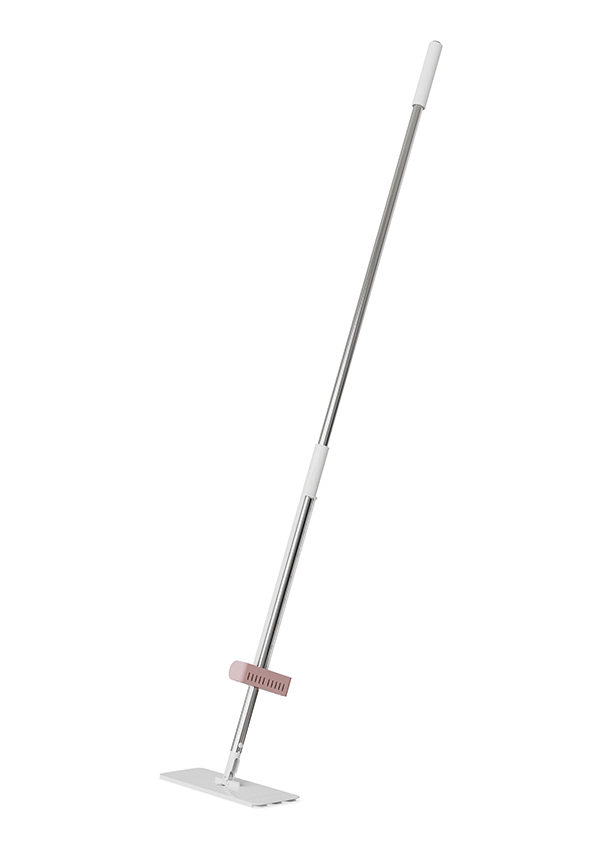
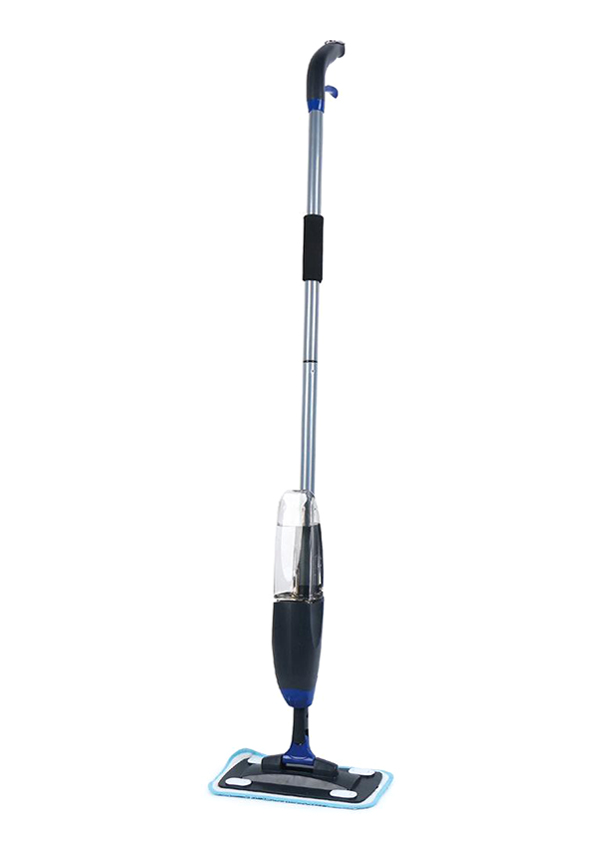
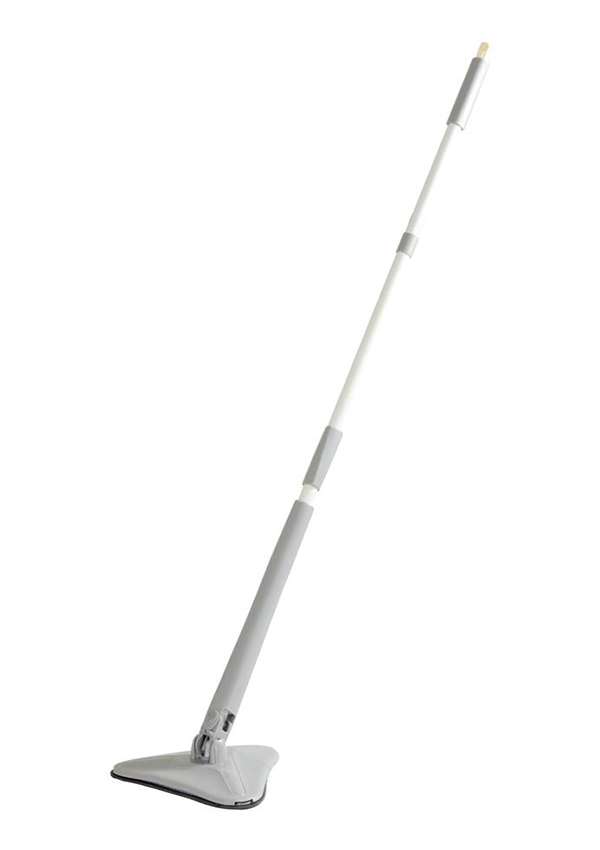
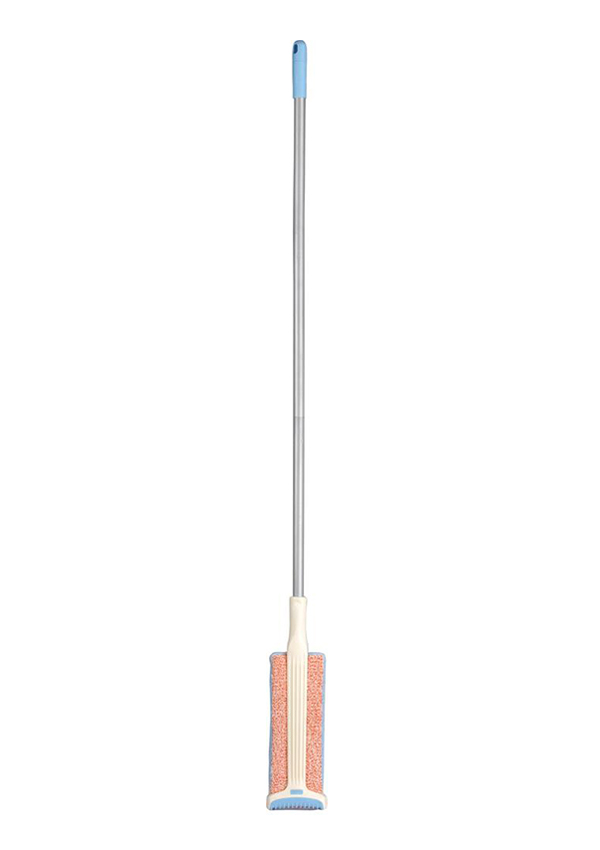
Telescoping extension poles extend reach from 1.5 to 3.0 meters, enabling dusting of crown moldings, ceiling vents, light fixtures, and upper shelving without ladders. Aluminum poles provide optimal strength to weight ratios, with 22 to 25 millimeter diameters resisting bending under lateral pressure. Twist lock or cam lock mechanisms secure pole length during use; twist locks offer infinite adjustment while cam locks provide faster operation with preset detents. Threaded or snap fit interfaces at pole tips accept various cleaning attachments including dusters, squeegees, and brush heads.
Extension poles with pivoting duster heads improve overhead cleaning efficiency by maintaining optimal duster to surface contact angles. Locking pivot joints set angles at 45, 90, and 180 degrees relative to the pole axis. Flexible gooseneck extensions provide continuous angle adjustment for irregular surfaces such as chandelier arms and intricate moldings.
Flexible and Bendable Handles
Flexible handles incorporating wire or polymer cores allow users to shape the duster to fit specific contours. These systems excel at cleaning beneath refrigerators and furniture, behind radiators, and around plumbing fixtures. The flexibility sacrifices some rigidity, making these handles less suitable for overhead work where gravity causes unwanted bending. Most flexible handles extend 60 to 90 centimeters and feature removable tips accepting various refill types.
Cost Analysis and Economic Advantages
The economic case for refillable duster systems becomes compelling when analyzing total cost of ownership over typical product lifecycles.
Initial Investment vs Long Term Savings
A quality refillable duster system including handle and initial refill costs $12 to $25, compared to $4 to $8 for a pack of disposable dusters containing 5 to 10 single use sheets. However, the disposable pack provides only 5 to 10 cleaning sessions, while the refillable system continues operating through multiple refill replacements. Over one year of weekly dusting, disposable duster costs accumulate to $40 to $80, while refillable system costs total $15 to $30 including two to three microfiber refill replacements at $3 to $6 each.
The savings amplify over longer timeframes. A three year comparison shows disposable duster expenditures of $120 to $240 versus $25 to $50 for refillable systems including handle and all refills. For households with multiple cleaning staff or commercial cleaning operations servicing numerous locations, these savings scale proportionally and justify bulk purchasing of refill packs.
Commercial Cleaning Economics
Commercial cleaning operations face intense cost pressure while maintaining service quality standards. A medium sized office building requiring daily dusting of 200 workstations, shelves, and decorative elements consumes approximately 400 disposable duster sheets monthly at a cost of $120 to $200. Switching to refillable microfiber systems with weekly laundering reduces monthly consumable costs to $20 to $40 for replacement refills, with laundering costs of approximately $15 to $25 when processed in house. Annual savings of $1,000 to $1,800 per building justify the capital investment in handles and laundry infrastructure.
Environmental Impact and Sustainability
Refillable duster systems offer measurable environmental benefits compared to single use alternatives, though lifecycle analysis reveals nuances that informed consumers should understand.
Waste Reduction Quantification
A typical household using disposable dusters weekly generates approximately 2.5 kilograms of duster waste annually, consisting of polypropylene nonwoven sheets, plastic handles, and packaging materials. Switching to a refillable microfiber system reduces this to approximately 0.8 kilograms annually, primarily from worn out microfiber refills that eventually require disposal. The 68 percent waste reduction aligns with broader household sustainability goals and reduces landfill contributions.
Water and Energy Consumption in Laundering
Washable microfiber refills require water and energy for cleaning, partially offsetting their waste reduction benefits. A standard washing machine cycle cleaning 10 microfiber refills consumes approximately 50 liters of water and 0.5 kilowatt hours of electricity. Over 50 wash cycles, total resource consumption equals 2,500 liters of water and 25 kilowatt hours of electricity. This compares favorably to the manufacturing energy embedded in 500 disposable duster sheets, estimated at 15 to 20 kilowatt hours, but the water consumption represents a genuine environmental tradeoff in water stressed regions.
Cold water washing with mild detergent minimizes energy impact while preserving microfiber integrity. Hot water washing above 60 degrees Celsius degrades polyester fibers and reduces refill lifespan by 20 to 30 percent. Air drying rather than machine drying further reduces energy consumption and extends refill longevity by avoiding heat induced fiber embrittlement.
Microplastic Shedding Concerns
Microfiber refills shed microscopic polyester and polyamide fibers during both use and washing. Research indicates that a single wash cycle of microfiber textiles releases 100,000 to 700,000 microplastic fibers into wastewater. While individual duster refills contain less fiber mass than garments, cumulative shedding from frequent washing contributes to aquatic microplastic pollution. Installing washing machine microfiber filters or using specialized washing bags that capture shed fibers mitigates this impact. Some manufacturers now produce refills from cellulose based fibers that biodegrade without microplastic generation, though these alternatives cost approximately 30 percent more than standard microfiber.
Proper Use Techniques and Surface Compatibility
Maximizing duster effectiveness requires understanding proper technique for different surface types and dust conditions.
Dry Dusting Methodology
Dry dusting with microfiber refills works best on surfaces with light to moderate dust accumulation. The electrostatic charge generated by fiber friction attracts dry particles without chemical assistance. Work from top to bottom, starting with ceiling fixtures, crown moldings, and upper shelving before moving to furniture and baseboards. This sequence prevents resettling of dislodged dust onto already cleaned lower surfaces. Use gentle, sweeping motions rather than pressing hard, which compresses fibers and reduces electrostatic generation.
For heavily textured surfaces including stucco walls, popcorn ceilings, and intricate wood carvings, pat or dab the duster rather than dragging across the surface. This technique prevents snagging on irregularities while allowing fiber penetration into crevices where dust accumulates. Replace or shake out refills when visible dust loading reduces effectiveness, typically every 10 to 15 square meters of surface area for moderate dust conditions.
Damp Dusting for Stubborn Residue
Damp dusting with lightly moistened microfiber refills addresses greasy dust, kitchen residue, and bathroom humidity combined dust films. Moisten the refill with water or diluted all purpose cleaner, then wring until barely damp. Excess moisture drips onto surfaces and creates streaks, while insufficient moisture fails to dissolve sticky films. Damp dusting depletes electrostatic charge, so this method requires more frequent rinse and wring cycles. Never use damp microfiber on unsealed wood, antique finishes, or electrical components.
Surface Specific Precautions
Television and computer screens require specialized microfiber refills without abrasive particles that could scratch delicate coatings. Camera lenses and eyeglasses demand even finer microfiber with fiber diameters below 5 micrometers. Delicate antiques and musical instruments may require natural feather dusters that generate minimal static and pose no snagging risk. Stainless steel appliances show microfiber lint if refills contain loose fibers; use tight weave microfiber specifically formulated for metallic surfaces.
Maintenance and Refill Replacement Schedules
Establishing consistent maintenance routines preserves duster effectiveness and extends the usable life of both handles and refills.
Washing Protocols for Microfiber Refills
Wash microfiber refills separately from cotton textiles to prevent lint transfer that clogs fiber surfaces. Use mild liquid detergents without fabric softeners, which coat fibers and eliminate electrostatic properties. Bleach degrades polyester fibers and should be avoided. Wash in cold or warm water below 40 degrees Celsius to preserve fiber structure. Tumble dry on low heat or air dry; high heat causes fiber fusion and hardening that creates scratching risks on delicate surfaces.
Inspect refills after each washing cycle for fiber matting, tears, or loss of loft. Effective refills maintain fluffy, open fiber structures. When fibers clump together and the refill feels stiff or thin, replacement is warranted regardless of cycle count. Typical microfiber refills maintain effectiveness for 50 to 100 wash cycles, though heavily soiled applications may reduce this by half.
Handle Maintenance and Storage
Clean handles monthly with disinfectant wipes, particularly in shared or commercial environments where cross contamination concerns exist. Check attachment mechanisms for wear; hook and loop surfaces lose effectiveness after 200 to 300 attachment cycles and may require replacement or cleaning with a wire brush to restore grip. Store dusters with refills attached in dry locations to prevent mold growth on damp microfiber. Hanging storage maintains refill shape better than stuffing into crowded drawers.
Selection Guidelines for Specific Applications
Matching duster systems to specific cleaning environments ensures optimal performance and value realization.
Residential Household Dusting
Standard homes benefit from a handheld microfiber duster with pivoting head for general furniture and shelving, plus an extension pole system for ceilings and light fixtures. A three pack of microfiber refills provides adequate rotation between washing cycles. Budget $20 to $35 for a complete starter system with handle, extension pole, and six refills. Annual refill replacement costs of $8 to $15 compare favorably to disposable alternatives.
Allergy and Asthma Management
Households managing allergies require dusters that capture rather than redistribute allergens. Premium microfiber refills with sub micrometer fiber diameters trap pollen, dust mite feces, and pet dander effectively. Designate specific refills for bedroom use and wash after each session to prevent allergen accumulation. HEPA vacuum attachments complement duster use by removing settled dust from upholstery and carpets that dusting dislodges into the air.
Commercial and Industrial Cleaning
Commercial cleaning contractors require durable systems withstand daily intensive use. Specify aluminum extension poles with locking mechanisms rated for commercial warranty periods. Color coded refill systems prevent cross contamination between restroom, kitchen, and general area cleaning. Bulk purchasing of refills in packs of 20 or more reduces per unit costs by 30 to 40 percent. Maintain inventory of replacement refills equal to two weeks usage to prevent service interruptions.
Electronics and Precision Equipment
Server rooms, laboratories, and manufacturing facilities with sensitive equipment require anti static dusters that dissipate charge rather than generating it. Specialized conductive microfiber refills woven with carbon fibers prevent electrostatic discharge that could damage electronic components. These refills cost approximately 50 percent more than standard microfiber but prove essential in environments where static sensitive devices operate.
Innovation Trends and Future Developments
The refillable duster category continues evolving through material science advances and smart technology integration.
Nanofiber technology promises refills with fiber diameters below 100 nanometers, achieving dust capture efficiencies approaching HEPA filtration levels. These ultra fine fibers trap viruses and bacteria in addition to particulate dust, potentially expanding duster applications into medical and pharmaceutical cleanrooms. Biodegradable refills from polylactic acid and cellulose derivatives address microplastic concerns while maintaining washability for 20 to 30 cycles before composting.
Smart duster handles incorporating particle sensors could indicate dust loading levels and signal optimal replacement timing, eliminating guesswork about refill effectiveness. UV C light integrated into handles offers sanitization of refills between uses, particularly valuable in healthcare settings. While these innovations remain in development or early market introduction, they indicate the category's trajectory toward higher performance and greater functionality.
Select dusters with refills based on cleaning frequency, surface types, and environmental priorities. Choose microfiber refills for general household use due to superior dust capture and washability. Invest in extension pole systems for homes with high ceilings or extensive shelving. Establish washing routines using cold water and mild detergent to maximize refill lifespan. Replace refills when fiber structure degrades regardless of cycle count. For commercial applications, implement color coding and bulk purchasing to optimize costs and hygiene. Refillable duster systems reduce waste, lower long term costs, and maintain cleaning effectiveness comparable or superior to disposable alternatives when properly maintained.