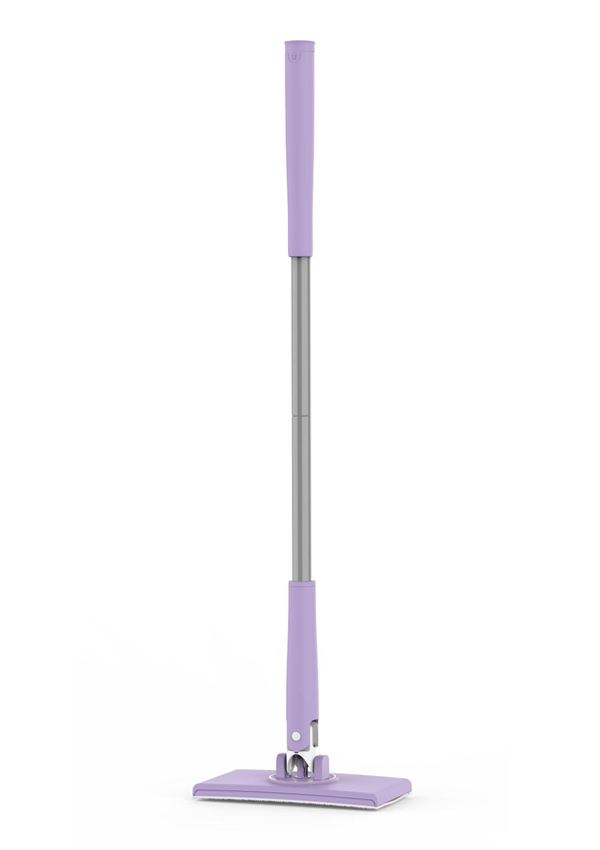
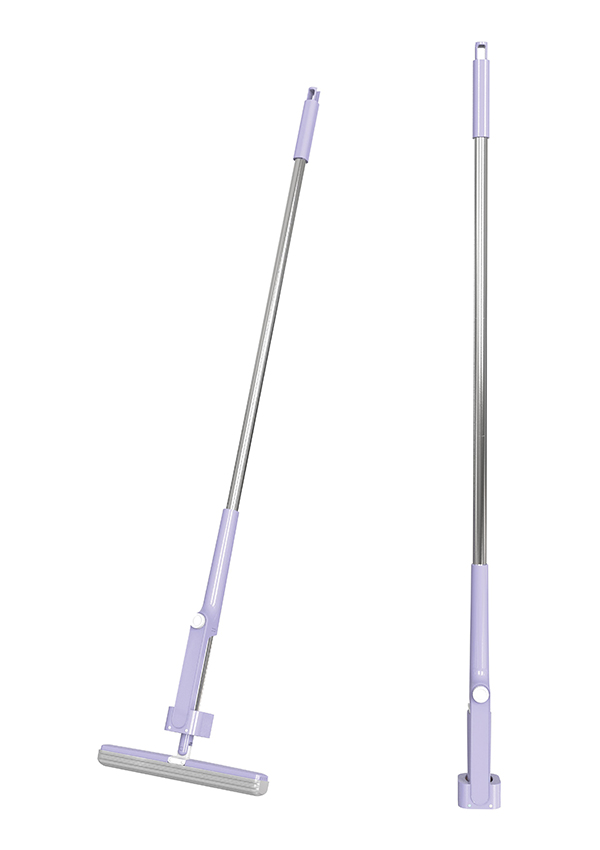
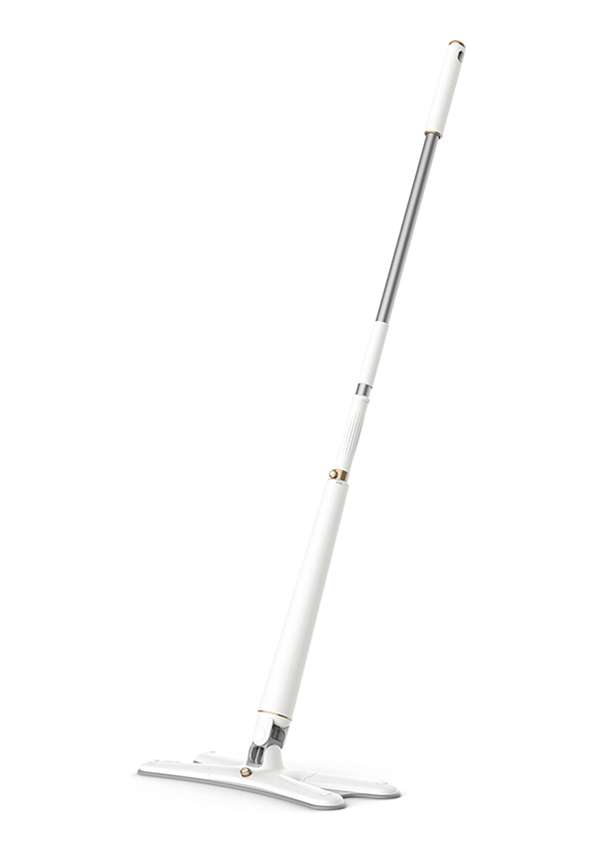
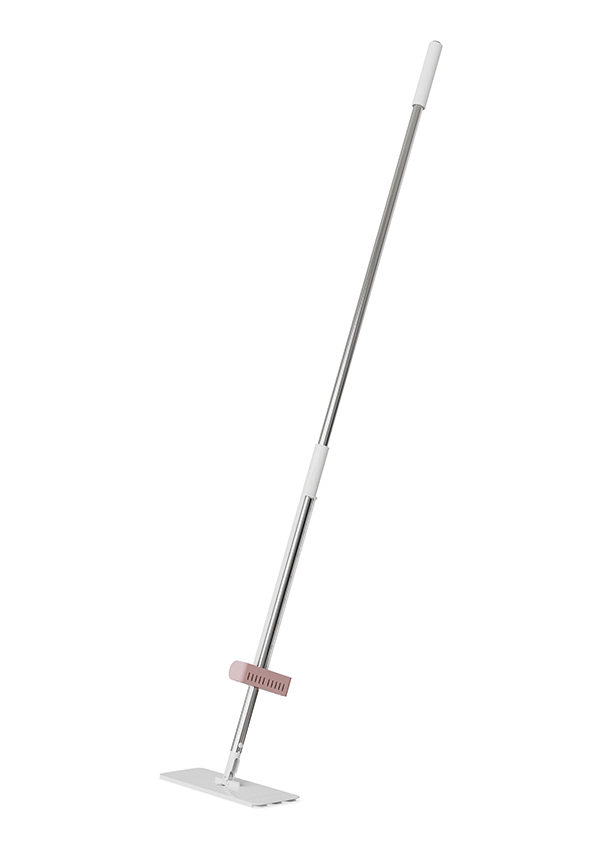
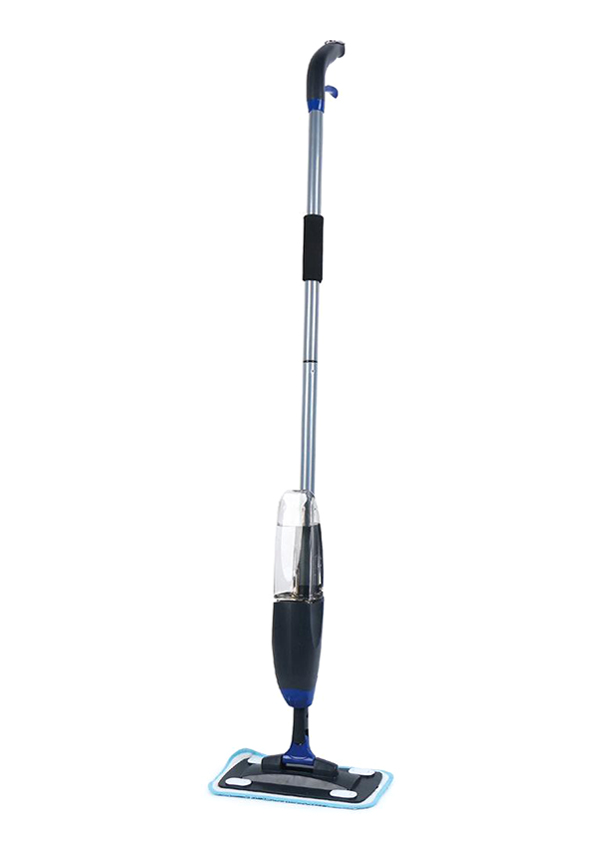
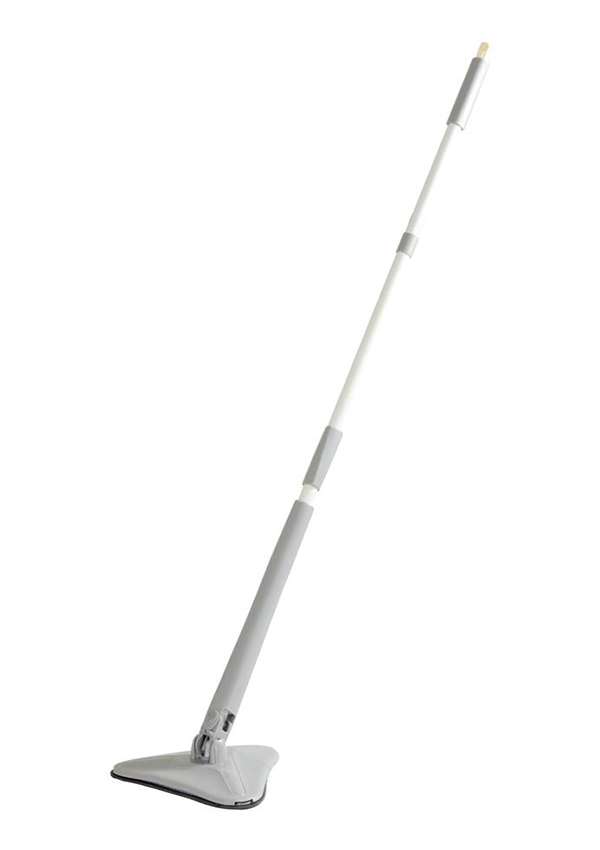
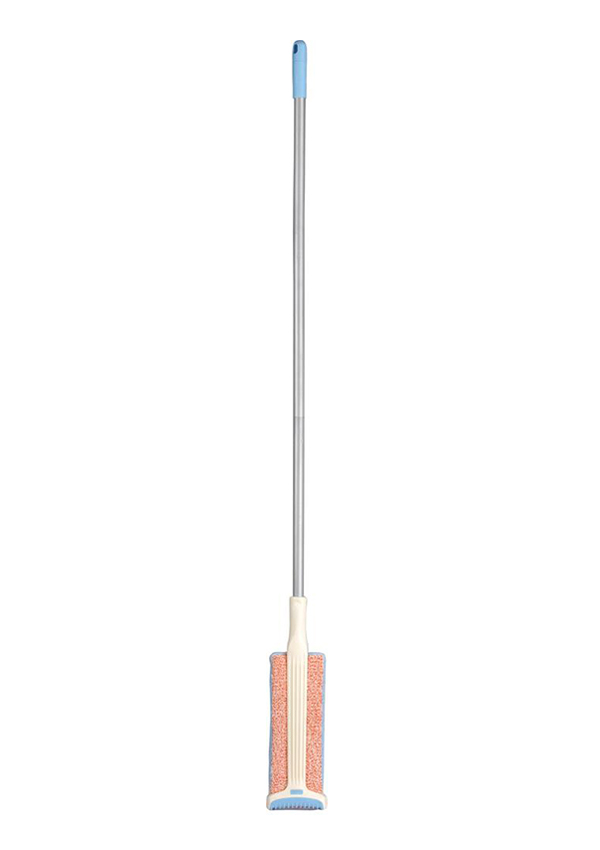
The mechanical effectiveness of modern sanitation tools is best exemplified by the dual function Floor Brush Mop. This hybrid equipment is specifically engineered to address the limitations of traditional cleaning methods by combining the high friction scrubbing capabilities of a stiff bristled brush with the high absorption mopping properties of advanced synthetic fibers. A high performance Floor Brush Mop is not merely a household implement; it is a precision engineered tool designed for deep cleaning tasks across a variety of hard surfaces, including porcelain tile, sealed hardwood, and industrial concrete. By utilizing a heavy duty scrubbing surface to break the chemical bonds between grime and the floor, followed by a microfiber pad to sequester the loosened particles, the Floor Brush Mop ensures a level of hygiene that single purpose tools cannot achieve. The design focus of this equipment centers on ergonomic leverage, material durability, and versatile agitation patterns, which collectively determine the efficiency of the cleaning process in both residential and high traffic commercial environments.
What Are the Structural Engineering Secrets of the Floor Brush Mop Dual Action Head?
The core of the Floor Brush Mop efficiency lies in its sophisticated head design, which must balance the rigid requirements of a scrub brush with the flexible needs of a swivel mop. This duality is achieved through a multi layered or reversible interface that allows the operator to toggle between abrasive agitation and absorptive finishing without changing equipment.
The brush component of the Floor Brush Mop typically features high density polypropylene bristles that are tufted at specific angles to maximize lateral shearing force. These bristles are engineered to penetrate the micro pores of textured flooring materials where dirt and bacteria often reside. In premium Floor Brush Mop models, the bristles are arranged in a V shape or staggered pattern to prevent debris from escaping during the scrubbing stroke. This structural arrangement ensures that mechanical energy is directed precisely at the grout lines and uneven surfaces, facilitating stain removal that exceeds the capabilities of a standard flat mop. Furthermore, the integration of a built in squeegee on the reverse side or edge of the Floor Brush Mop head allows for the immediate relocation of dirty water, preventing the re deposition of contaminants into the clean zone.
Complementing the aggressive scrubbing action is the microfiber pad system, which utilizes polyester polyamide blends with a high denier count. These fibers are split at the microscopic level to create a massive surface area capable of trapping particles through capillary action and electrostatic attraction. When the Floor Brush Mop transitions to the mopping phase, the detachable pad absorbs the slurry created during scrubbing, leaving the floor nearly dry. The attachment mechanism, often featuring industrial grade Velcro or snap on clips, is designed to withstand high frictional heat and chemical exposure from various cleaning agents. This ensures that the Floor Brush Mop remains a cohesive unit even when subjected to the heavy downward pressure required for stubborn grime removal.
How Do Ergonomic Telescopic Handles and Swivel Joints Minimize Operator Fatigue During Deep Cleaning?
The interface between the operator and the Floor Brush Mop is the handle assembly, which must provide the necessary torsional rigidity to transmit force while maintaining a lightweight profile to reduce physical strain.
Most professional grade Floor Brush Mop units utilize anodized aluminum or stainless steel for the telescopic handle. These materials are chosen for their high strength to weight ratio, ensuring the handle does not bend or snap under the vertical load applied during aggressive scrubbing. The locking mechanism of the telescopic handle is a critical safety feature; it must be capable of securing the handle at any length between 100cm and 150cm to accommodate different operator heights. This adjustability is essential for maintaining proper posture, which prevents lower back strain during long deep cleaning sessions. In addition to length, the handle grip is often molded from thermal plastic rubber with an anti slip texture, providing a secure hold even when the operator's hands are wet or covered in detergent solution.
The swivel joint connecting the handle to the head of the Floor Brush Mop is perhaps the most complex mechanical component of the tool. A high quality universal joint allows for 360 degree rotation and a low profile tilt, enabling the Floor Brush Mop to reach under furniture, around baseboards, and into tight corners that are inaccessible to traditional deck brushes. This maneuverability is vital for ensuring comprehensive sanitation in complex layouts. The joint is typically constructed from high impact nylon or reinforced polyoxymethylene to ensure it can withstand the constant oscillation and high frequency direction changes inherent in the cleaning process. By reducing the need for the operator to move furniture or bend excessively, the swivel head technology significantly increases the square footage per hour cleaning rate.
What Technical Specifications Differentiate Residential Models from Industrial Floor Brush Mops?
The performance of a Floor Brush Mop is defined by its technical parameters, which determine its suitability for specific environments ranging from domestic kitchens to expansive warehouse floors.
The effectiveness of a Floor Brush Mop is often measured by its contact pressure, which is a function of the head surface area and the downward force applied by the user. Residential models are optimized for delicate surfaces, featuring softer bristles and more plush microfiber pads to prevent scratching polyurethane finishes on wood floors. In contrast, Industrial Floor Brush Mop versions are built for abrasive resistance on concrete and stone. These industrial units often have a wider cleaning path up to 60cm to cover large areas quickly and may feature stiffer bristle gauges to tackle oil stains and rubber tire marks. The durability of the hinge points and the corrosion resistance of the metal components are also significantly higher in commercial variants to withstand the daily use of acidic or alkaline cleaning chemicals.
A critical aspect of Floor Brush Mop design is the ease with which the tool itself can be cleaned. The microfiber pads must be machine washable up to several hundred cycles without losing their absorptive capacity. Similarly, the brush bristles are often treated with antimicrobial agents during the manufacturing process to prevent the growth of mold and mildew within the brush head. The quick release design of the Floor Brush Mop allows for rapid switching between dry dusting and wet scrubbing modes, ensuring that the tool is always optimized for the specific soil load of the environment. This cross contamination prevention is a key technical requirement in healthcare and food service applications.
|
Feature Category
|
Residential Floor Brush Mop
|
Commercial Heavy Duty Mop
|
Multi Surface Hybrid Mop
|
|
Handle Material
|
Lightweight Aluminum
|
Reinforced Stainless Steel
|
Anodized Alloy
|
|
Bristle Type
|
Soft Medium Nylon
|
Stiff Polypropylene
|
Dual Zone Tapered
|
|
Head Width
|
25cm to 35cm
|
45cm to 65cm
|
30cm to 40cm
|
|
Swivel Range
|
180 to 360 Degrees
|
Heavy Duty 360 Degrees
|
360 Degree Precision
|
|
Pad Material
|
Standard Microfiber
|
High Density Scouring Microfiber
|
Chenille and Microfiber
|
|
Weight
|
0.8kg to 1.2kg
|
1.5kg to 2.5kg
|
1.0kg to 1.4kg
|
|
Scrubbing Force
|
Low to Moderate
|
High Extra Heavy
|
Adjustable Leverage
|
|
Best For
|
Tile Wood Laminate
|
Concrete Stone Large Halls
|
Versatile Home Deep Clean
|
Manufacturers subject the Floor Brush Mop to stress tests that simulate thousands of cleaning strokes and hundreds of telescopic adjustments. The tensile strength of the handle and the wear resistance of the bristles are measured against ASTM standards to ensure the product does not fail prematurely under extreme friction. The chemical resistance of the plastic components is also verified by submerging them in concentrated floor strippers and disinfectants. These rigorous testing protocols ensure that the Floor Brush Mop remains a reliable component of any sanitation protocol, maintaining its structural integrity even in the most demanding cleaning environments. The integration of high friction agitation and high capacity fluid management makes this tool an essential asset for maintaining surface hygiene at a professional standard.