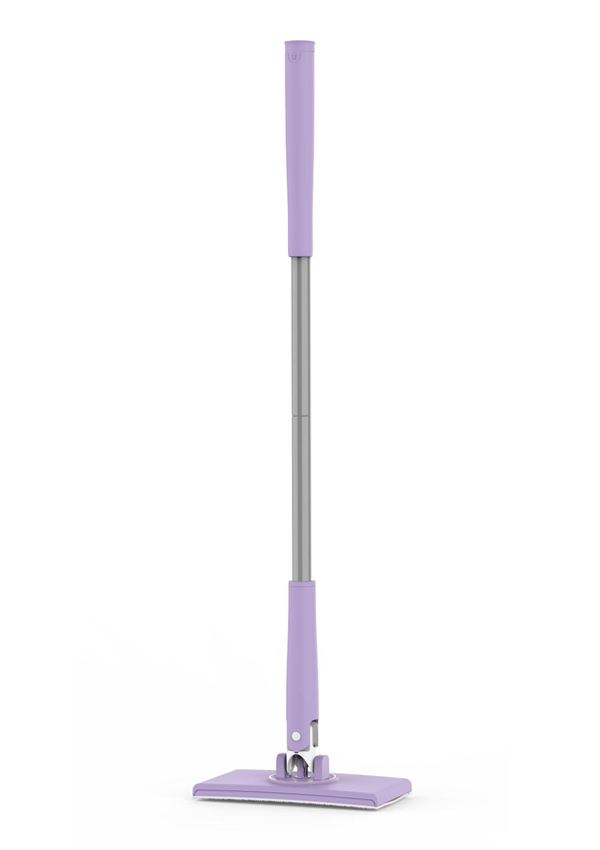
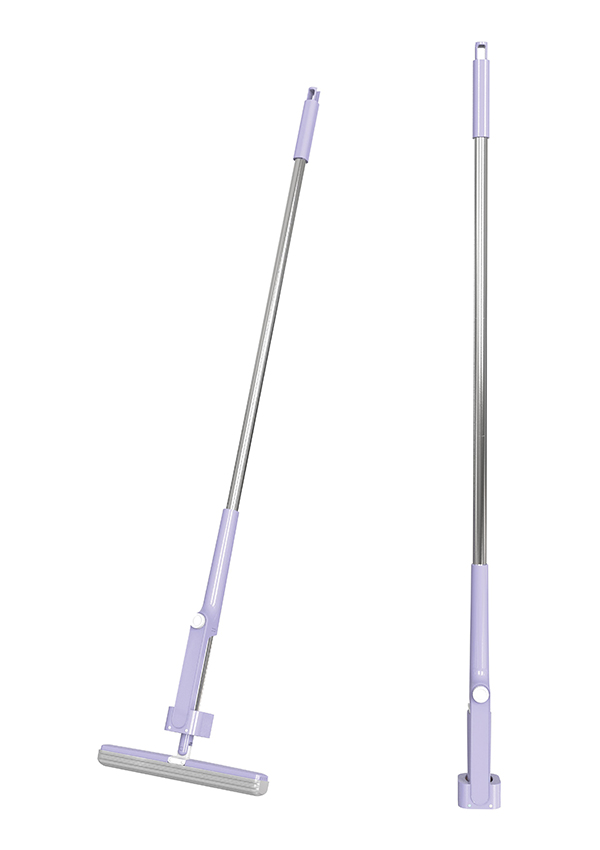
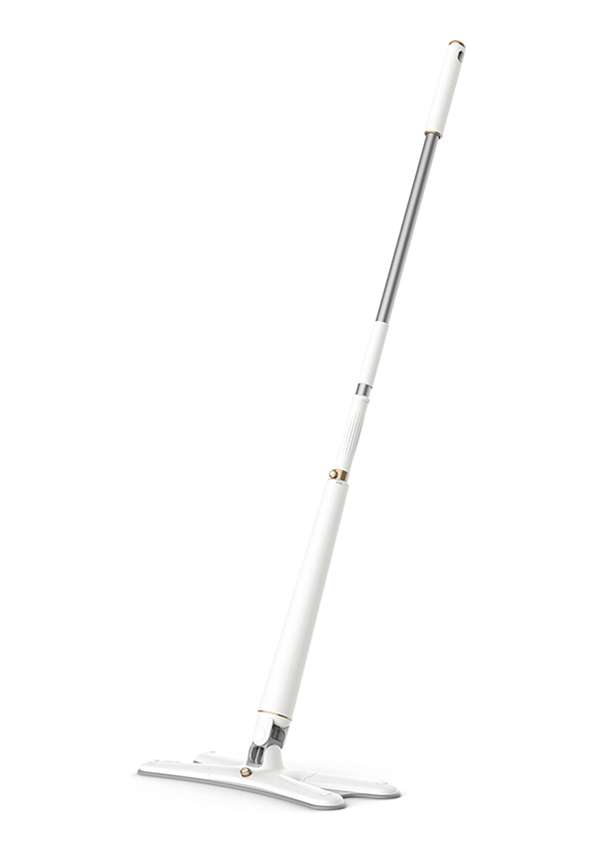
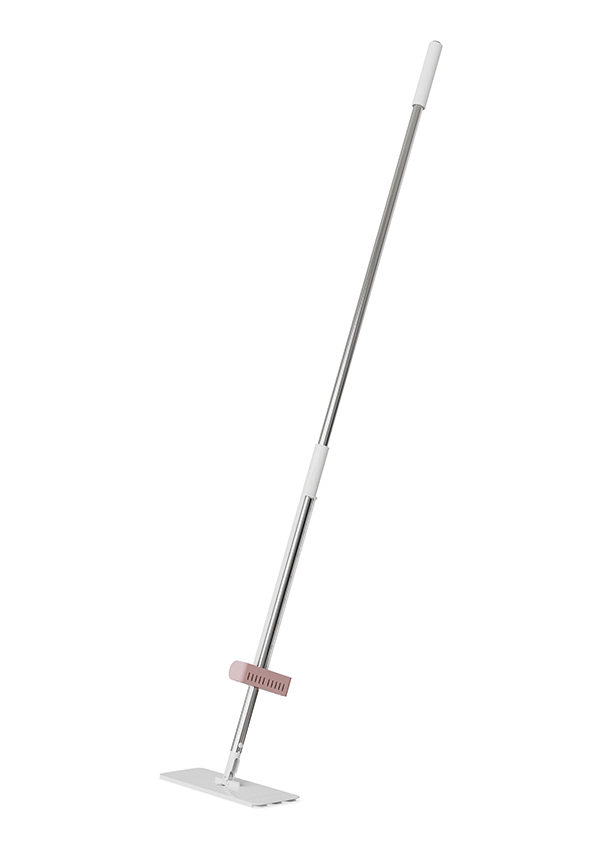
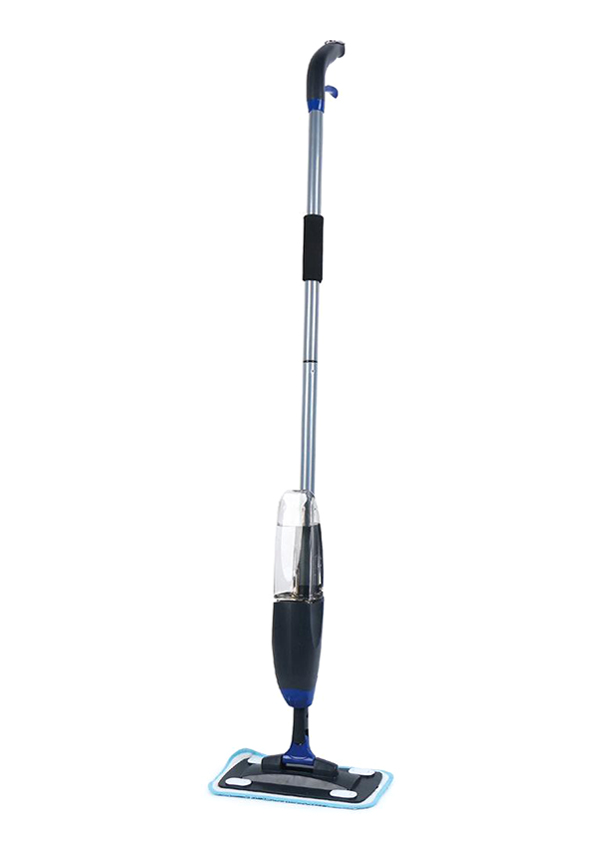
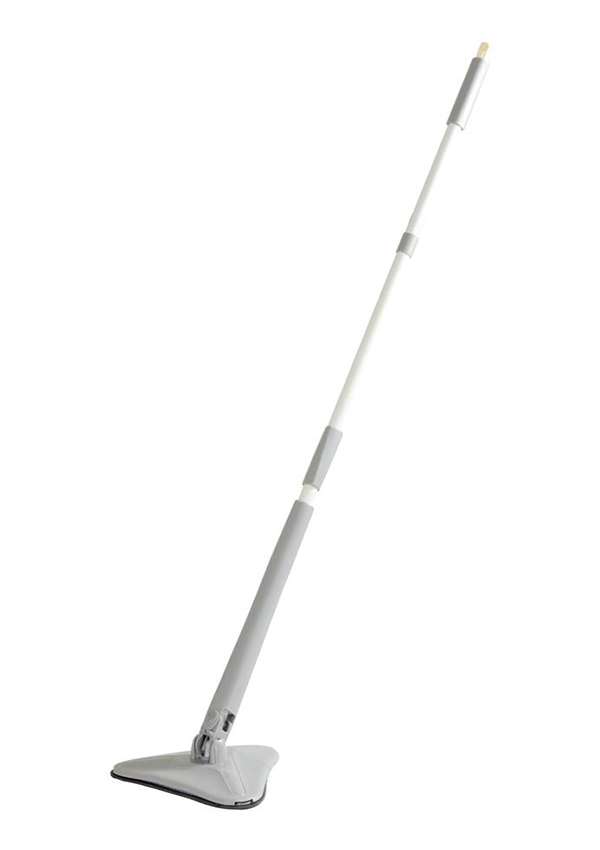
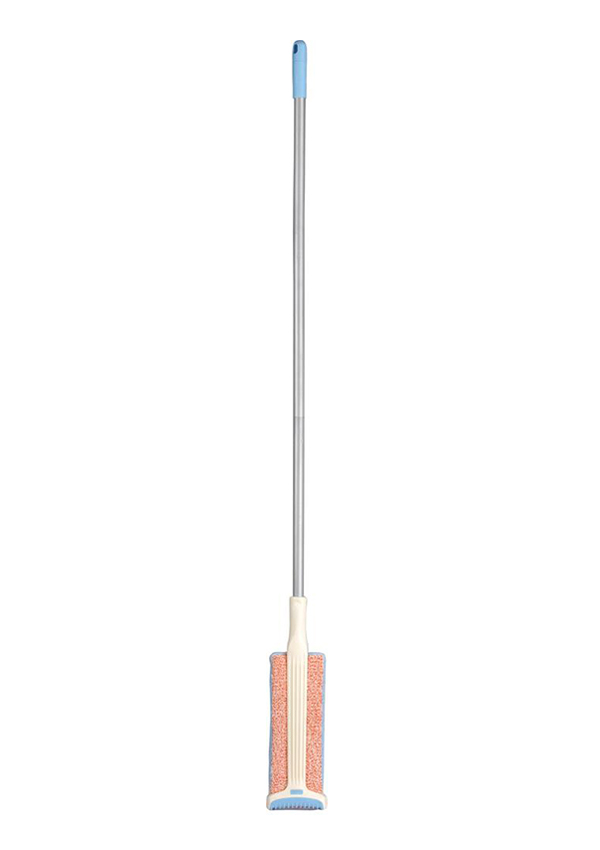
Keeping hard floors pristine is a continuous household task that requires the right tools. For decades, the market has debated which cleaning implement offers the most efficient, cost-effective, and thorough results. On one side stands the classic modern classic, the Swiffer, which revolutionized quick cleaning with its disposable sheet system. On the other side, professional cleaners and environmentally conscious homeowners champion microfiber dust mops. To determine which tool is truly superior for your home, it is necessary to examine the physical science, economic realities, and performance capabilities of both cleaning systems.
Understanding how each tool interacts with dust, pet hair, allergen particles, and liquid spills will help you make an informed decision. This guide avoids simplistic declarations and instead looks closely at the mechanics, longevity, and floor compatibility of both systems.
Understanding the Cleaning Mechanisms of Microfiber Dust Mops
To evaluate the effectiveness of microfiber dust mops, one must first look at the engineering of the fabric itself. Microfiber is not merely standard cloth made smaller. It is a synthetic blend of polyester and polyamide fibers that are split down to a microscopic scale. Each fiber is split so finely that a single strand is thinner than a human hair, often measuring less than one denier. This splitting process creates a complex web of tiny, wedge-shaped channels throughout the fabric.
When you push microfiber dust mops across a hardwood or tile floor, these tiny channels act as microscopic hooks. Instead of pushing dust particles forward or scattering them into the air, the split fibers physically scoop up the debris and lock it deep within the pile. The polyamide component of the fiber blend carries a natural positive electrostatic charge when dry. Because dust particles, pet dander, and household allergens carry a negative charge, the mop head works like a magnet. The debris is drawn into the cloth and held securely until the pad is washed.
Additionally, microfiber dust mops possess a high surface area. Because there are millions of tiny fibers packed into a single square inch of the mop pad, the contact area between the cleaning tool and the floor is exponentially greater than that of standard cotton mops or flat paper sheets. This massive surface area allows the mop to absorb significant amounts of moisture, grease, and grime when used damp, making it an incredibly versatile tool for both dry sweeping and light wet cleaning.
Analyzing the Swiffer Cleaning System
The Swiffer cleaning system relies on a different philosophy, prioritizing instant convenience and disposable utility. The standard Swiffer Sweeper utilizes dry sweeping cloths that are engineered from non-woven synthetic polymers. These sheets are pre-treated with a light mineral oil or electrostatic coating designed to attract dust and hair as you glide the tool across the floor. The surface of these cloths features deep ridges and quilted patterns, which are intended to trap larger particles, crumbs, and pet hair within the texture of the sheet.
For wet cleaning, the system utilizes pre-moistened pads pre-loaded with a chemical cleaning solution. This solution is designed to break down sticky residues, dried spills, and muddy footprints on contact. The liquid dissolves the grime, and the thick core of the pad absorbs the dirty slurry, keeping it away from the floor surface.
The primary physical advantage of the Swiffer lies in its thin profile and lightweight construction. The mop head is incredibly thin, allowing it to slide under low-clearance furniture, narrow gaps between appliances, and tight corners that bulkier mops might struggle to reach. It requires no preparatory wetting or post-cleaning washing cycle. Once the pad is saturated with dirt, you simply peel it off, throw it in the trash, and attach a fresh one.
Microfiber Dust Mops vs Swiffer: A Side-by-Side Comparison
Evaluating these two cleaning giants requires looking at how they perform across several key categories. The table below outlines the practical differences in usage, efficiency, and physical characteristics without relying on specific manufacturer parameters.
|
Performance Category
|
Microfiber Dust Mops
|
Swiffer Sweeper System
|
|
Debris Holding Capacity
|
High capacity due to deep split fiber channels
|
Moderate capacity before sheet saturation occurs
|
|
Electrostatic Attraction
|
High natural charge generated by dry nylon and polyester
|
Moderate charge enhanced by topical chemical treatment
|
|
Reach and Low Clearance
|
Moderate clearance depending on frame thickness
|
Excellent clearance due to ultra-thin head design
|
|
Liquid Absorption
|
Exceptional moisture retention when used damp
|
Limited absorption capacity per disposable sheet
|
|
Cleaning Pad Lifecycle
|
Washable and reusable up to several hundred times
|
Single use only before disposal is required
|
|
Chemical Dependency
|
Works exceptionally well with plain water or mild soap
|
Requires proprietary liquid refills for wet pads
|
|
Initial Setup Weight
|
Slightly heavier due to metal poles and thick frames
|
Very lightweight and easy to hold for long periods
|
Cost Analysis and Long-Term Value
When deciding between these two systems, the financial investment over time is one of the most significant differentiators. The initial purchase price of a high-quality microfiber dust mop kit is generally higher than that of a basic Swiffer Sweeper starter kit. A professional-grade microfiber mop often includes a sturdy stainless steel or aluminum pole, a heavy-duty plastic or aluminum frame, and two or three thick, washable microfiber pads. This setup requires a larger upfront payment.
However, the ongoing operational costs of these two tools reveal a dramatic divergence. A microfiber dust mop requires virtually no additional purchases for years. The pads can be washed and reused anywhere from three hundred to five hundred times before the fibers begin to degrade. If you sweep your home several times a week, a single set of microfiber pads can easily last for two to three years. The only recurring cost is the tiny amount of laundry detergent and water used during the wash cycle.
Conversely, the Swiffer operates on a razor-and-blades business model. The starter kit is inexpensive, but you must continuously purchase replacement boxes of dry sweeping cloths and wet mopping refills. If you have a large home, you might easily use two or three dry sheets and two wet pads during a single deep cleaning session. Over the course of twelve months, the cost of these recurring refills can accumulate into a substantial annual expense. For households on a budget, the long-term economic savings of reusable microfiber dust mops are undeniable.
Environmental Footprint and Sustainability Profiles
In the modern household, the environmental impact of cleaning products is a major consideration. The disposable nature of the Swiffer system presents a significant ecological challenge. Every dry sheet and wet pad used is a single-use plastic item. These non-woven polyester sheets do not biodegrade in landfills, meaning every sweep contributes directly to long-term municipal waste. Furthermore, the plastic packaging canisters, cardboard boxes, and plastic shipping containers associated with constant refill purchases add to the overall environmental burden.
Microfiber dust mops present a much more sustainable profile, though they are not entirely without ecological considerations. Because the pads are reusable for years, the volume of solid waste sent to landfills is drastically lower. One microfiber pad replaces hundreds of disposable sheets, making it a highly effective way to reduce household waste.
However, a balanced view requires acknowledging that microfiber is also a synthetic material, typically made of polyester and polyamide. When washed in a machine, these pads can shed microscopic synthetic fibers, which enter the wastewater stream and eventually reach marine environments. To mitigate this issue, environmentally conscious users can wash their microfiber pads in specialized wash bags that capture microfibers, or install external filters on their washing machines. When comparing the two, the reduction in landfill waste still makes the reusable microfiber option the more ecologically responsible choice for most homes.
Cleaning Performance on Different Floor Types
Different floor materials react uniquely to cleaning tools. The effectiveness of microfiber dust mops and Swiffer sheets varies depending on the surface texture, sensitivity to moisture, and grain of the flooring.
Hardwood Flooring Solutions
Hardwood floors require gentle care to prevent micro-scratches and moisture damage. Wood is naturally susceptible to swelling if water seeps into the joints. When using dry sweeping cloths on hardwood, the Swiffer is highly effective at picking up fine dust and pet hair without scratching the protective topcoat. However, if there are larger debris particles like dried mud, small pebbles, or spilled pet kibble, the thin Swiffer sheet lacks the thickness to absorb these items, often dragging them across the floor and potentially causing scratches.
Microfiber dust mops excel on hardwood floors because of their plush, thick construction. The deep pile of a high-quality microfiber dust mop can cushion larger debris, lifting it away from the wood surface so it does not scrape the floor. When damp mopping hardwood, microfiber allows you to control the moisture levels precisely. A thoroughly wrung-out microfiber pad carries just enough moisture to clean the surface without leaving standing water behind, which protects the integrity of the wood joints.
Tile and Grout Lines
Tiled floors present a unique cleaning challenge because of grout lines. Grout lines sit slightly lower than the surface of the tile, creating recessed channels where dirt, grime, and grease like to settle. The flat, thin surface of a Swiffer pad is generally unable to reach into these recessed areas. As you glide a Swiffer over tile, the pad cleans the flat tops of the tiles but often skims right over the grout lines, leaving the dirt behind or even pushing surface grime into the recessed grooves.
In contrast, microfiber dust mops with looped or dense fringe borders are highly effective at cleaning tiled surfaces. The long, flexible fibers can easily drop down into the grout lines, agitating the dirt and trapping it within the fabric. When used wet with a suitable tile cleaner, the scrubbing power of split microfiber is strong enough to lift stubborn stains from porous grout without damaging the sealant.
Laminate and Vinyl Planks
Laminate and luxury vinyl plank flooring have become incredibly popular due to their durability and wood-like appearance. However, laminate floors are highly sensitive to excessive water, which can cause the edges of the planks to peak or bubble. Luxury vinyl planks are more water-resistant but still require careful maintenance to prevent dulling residue build-up.
For these surfaces, both tools can be effective, but they require different approaches. A Swiffer wet pad contains specific chemical solutions that sometimes leave a cloudy residue on laminate floors if the liquid does not dry quickly enough. Additionally, the pre-moistened sheets can dry out rapidly during use, requiring you to change pads multiple times to complete a large room.
A microfiber dust mop used with a fine-mist spray bottle containing plain water or a specialized laminate cleaner offers superior control. You can apply a very fine mist directly to the floor or the pad, ensuring the surface dries almost instantly. The lack of harsh chemical residues in simple water-based microfiber cleaning helps maintain the original sheen of laminate and vinyl plank floors over time.
Maintenance, Washing, and Longevity of Cleaning Pads
The ease of maintenance is often the deciding factor for busy individuals. The Swiffer system is designed for maximum convenience, requiring no post-cleaning maintenance. You simply toss the dirty pad into the garbage, and your cleaning routine is complete. There are no laundry steps, no drying times, and no storage of damp, dirty cloths.
Microfiber dust mops require a commitment to proper laundering to maintain their efficacy. After sweeping, you must shake out the mop pad outdoors or brush off the heavy debris into a trash can. When the pads become heavily soiled, they must be washed. To ensure your microfiber dust mops last for years, you must follow specific washing rules.
First, you must never wash microfiber pads with cotton towels or apparel. The microfiber will attract the cotton lint, clogging the split channels and rendering the mop far less effective. Second, you must avoid using fabric softeners or dryer sheets. Fabric softeners work by depositing a thin layer of wax or silicone over the fibers to make them feel soft. On microfiber, this coating clogs the microscopic channels and neutralizes the natural electrostatic charge, destroying the mop's ability to attract dust. Finally, you should wash them in warm water with a liquid detergent and air dry them or tumble dry on low heat to prevent the synthetic fibers from melting. While this maintenance process requires more effort than throwing away a disposable sheet, the reward is a tool that remains highly effective for hundreds of cleaning cycles.
Ergonomics, Weight, and Physical Ease of Use
The physical experience of using a cleaning tool can affect how often you actually use it. A tool that is heavy, awkward, or difficult to push will quickly find its way to the back of the closet.
The Swiffer is designed with lightweight materials, usually featuring a thin metal pole and a lightweight plastic head. This makes it incredibly easy to lift, maneuver, and carry up and down stairs. People with physical limitations, back pain, or joint issues often appreciate the Swiffer because it requires very little physical strength to glide across smooth surfaces. The swivel joint on the head is highly flexible, allowing for quick direction changes around chair legs and narrow obstacles.
Microfiber dust mops are generally built to professional standards, which means they use heavier materials. The frames are often made of sturdy aluminum, and the poles are thicker to withstand vigorous scrubbing. This heavier construction provides excellent leverage and ensures the mop head stays flat on the floor even when applying pressure to stubborn spots. However, the increased weight and wider mop heads can make them slightly more tiring to use during long cleaning sessions, especially in highly cluttered rooms with many tight turns. The benefit of this extra weight and width is that you can clean large, open floor areas in a fraction of the time it would take with a narrow Swiffer.
Ultimately, choosing between these two systems comes down to prioritizing either immediate convenience or long-term efficiency and sustainability. By understanding how each tool works and the specific needs of your home's flooring, you can select the mop that fits seamlessly into your household routine.