Maintaining a clean, hygienic, and visually appealing environment is a fundamental task in both residential households and professional commercial facilities. Whether you are wiping down kitchen countertops, dusting delicate electronics, polishing glass windows, or sanitizing bathroom fixtures, the success of your cleaning routine depends heavily on the tools you select. For generations, the standard practice for household wiping involved repurposing old cotton t-shirts, worn-out towels, or discarded flannel rags. While these repurposed materials were economical, they often pushed dirt around, left behind unsightly trails of lint, and required excessive physical effort and chemical detergents to achieve a clean surface.
Modern textile engineering and polymer chemistry have completely revolutionized the cleaning industry, transforming the humble wiping rag into a highly sophisticated, engineered implement. Today, consumers and professional cleaners can choose from a vast array of specialized wiping fabrics, ranging from advanced synthetic microfibers to biodegradable natural fibers and convenient single-use options.
Selecting the best cleaning cloth is not a matter of finding a single, universal fabric that can perform every task. Instead, it requires a clear understanding of fiber science, capillary action, electrostatic attraction, and surface vulnerability.
This comprehensive guide explores the physical characteristics of modern cleaning fabrics, compares their performance across critical cleaning tasks, and provides practical guidelines for selecting the optimal cloth for every surface in your home or office.
The Material Science of Cleaning Fabrics
To understand why certain cloths perform better than others, it is necessary to examine the physical and chemical structures of the fibers at a microscopic level. The shape, density, and composition of the fibers dictate how a cloth interacts with liquid, dust, and microscopic pathogens.
Synthetic Microfiber Technology and Capillary Mechanics
The development of synthetic microfiber has been the most significant advancement in the history of cleaning technology. By definition, a microfiber is an engineered synthetic fiber that measures less than one denier in thickness, which means it is approximately one hundred times thinner than a human hair.
Most premium microfiber cleaning cloths are constructed from a blend of two synthetic polymers, namely polyester and polyamide. Polyester is a hydrophobic plastic that excels at attracting and binding organic oils, greases, and lipids, while polyamide is a hydrophilic nylon polymer that is exceptionally absorbent, drawing in water-based liquids and solutions.
During the manufacturing process, these two polymers are co-extruded to form a single filament. This filament is then subjected to a chemical splitting process that forces the two materials to separate, creating a microscopic, star-shaped cross section with wedge-shaped channels running along the length of each fiber.
These wedge-shaped channels create a powerful capillary action that sucks liquid, grease, and microscopic dirt particles deep into the interior of the fiber structure, locking them away until the cloth is washed.
In contrast, traditional round fibers, such as those found in cotton or wool, simply push dirt and grease across the surface, requiring heavy chemical surfactants to break down the debris before it can be absorbed.
Furthermore, because synthetic fibers are extruded in continuous, unbroken filaments, they possess virtually zero short fibers that can break off during use, making a high-quality microfiber cleaning cloth completely lint-free.
Natural Cellulose Fibers and Traditional Cotton
Despite the dominance of synthetic materials, natural cellulose fibers, most notably cotton, linen, and wood-pulp derivatives, remain highly valued for specific cleaning applications. Cotton is a natural, organic fiber composed of pure cellulose, which possesses a highly porous molecular structure.
This natural porosity allows cotton to absorb up to twenty-seven times its own weight in water, making it an excellent material for soaking up large liquid spills and drying dishes.
However, cotton possesses several mechanical disadvantages when compared to synthetic microfiber.
Because cotton is a natural staple fiber, the individual strands are relatively short and are spun together to form a thread.
During the friction of scrubbing, these short fibers easily fracture and break away from the yarn, resulting in the characteristic shedding of lint.
Additionally, the organic nature of cotton means that the fibers can absorb and retain organic nutrients, creating a hospitable environment for the growth of bacteria, mold, and mildew if the cloth remains damp in storage.
Linen, derived from the flax plant, offers a much stronger and longer-strand alternative to cotton.
Linen fibers are exceptionally smooth and lint-free, making them the traditional favorite for drying fine crystal glassware and polishing silverware without leaving scratch marks or fiber residues.
Comparative Evaluation of Cleaning Fabrics
To help you make an informed decision, the table below provides a comprehensive, qualitative comparison of the primary cleaning fabrics available on the market, focusing on their physical capabilities and ideal use cases.
|
Cleaning Fabric Category
|
Primary Fiber Composition
|
Liquid Absorption Rate
|
Dust and Particle Capture
|
Surface Safety Profile
|
Relative Lifespan and Reusability
|
|
Split-Fiber Microfiber
|
Polyester and Polyamide blend
|
Exceptionally high; draws liquid via capillary channels
|
Outstanding; utilizes electrostatic charge to trap fine dust
|
Safe for most surfaces; but can scratch delicate acrylics if dirty
|
Very high; can withstand hundreds of commercial washings
|
|
Traditional Woven Cotton
|
Pure natural cellulose
|
Very high; absorbs bulk liquids rapidly
|
Poor; tends to push fine dust and leaves lint trails
|
Completely safe; highly soft on sensitive varnished wood
|
Moderate; fibers degrade and thin out after repeated laundering
|
|
Flax Linen Cloth
|
Natural flax plant cellulose
|
Moderate to high; dries extremely quickly
|
Poor; not designed for heavy dust pickup
|
Outstanding; completely non-abrasive and lint-free
|
High; becomes softer and more absorbent with age
|
|
Cellulose-Sponge Cloth
|
Wood pulp and cotton fibers
|
High; holds massive volumes of liquid
|
Very poor; lacks the microscopic structure to trap dirt
|
Safe for general kitchen surfaces; can stiffen when dry
|
Moderate; biodegradable but prone to tearing and odor
|
|
Non-Woven Spunlace
|
Polyester and viscose synthetic blend
|
Moderate; designed for controlled liquid release
|
Moderate; often pre-saturated with chemical surfactants
|
Safe for utility zones; but can leave chemical residue
|
Low to zero; designed primarily for single-use applications
|
Specialized Cloths and Dusters for Targeted Cleaning Tasks
Different cleaning tasks introduce unique challenges, requiring specialized fabric weaves, shapes, and deployment methods to ensure maximum efficiency and prevent damage to delicate surfaces.
High-Performance Dust Removal and Allergen Management
Removing dust from household surfaces is not merely an aesthetic concern; it is a critical health requirement for individuals who suffer from asthma, dust mite allergies, and respiratory sensitivities. Traditional feather dusters are highly ineffective for allergen management, as the coarse feathers simply flick the dust particles into the air, where they remain suspended for hours before settling back onto the furniture.
To achieve genuine dust removal, utilizing high-performance microfiber dusters is highly recommended. These specialized dusting tools feature long, fluffy microfiber chenille fingers that resemble thick noodles, or dense mats of ultra-fine synthetic split-fibers.
When these dry synthetic fibers slide across a non-conductive surface, they generate a small, natural electrostatic charge through friction.
This static charge acts as a microscopic magnet, actively pulling fine dust particles, pet dander, and microscopic pollen grains off the furniture and locking them securely within the fiber matrix.
Because the dust is trapped physically rather than pushed around, the risk of airborne allergen dispersion is completely eliminated.
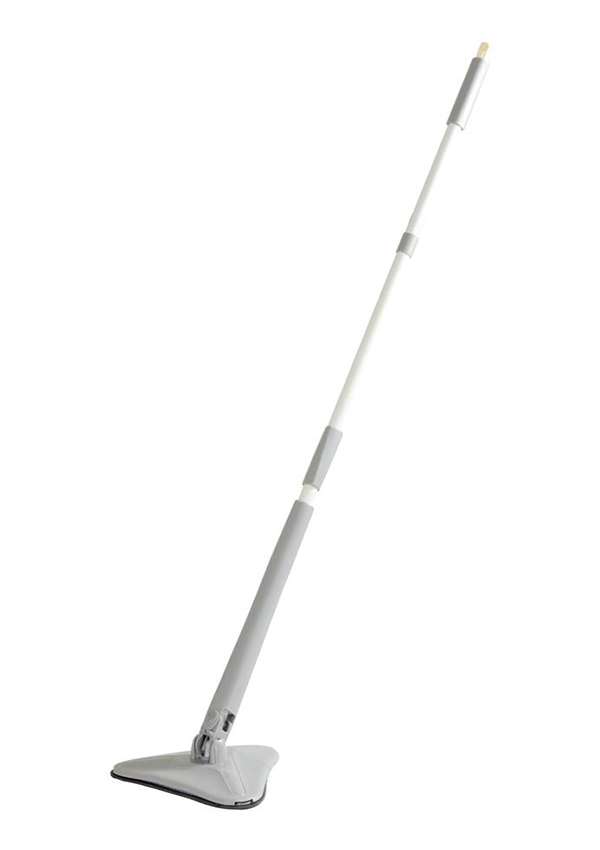
Furthermore, these dusters can be manufactured as flexible, long-reach wands, allowing operators to clean ceiling fan blades, high door frames, and tight spaces behind heavy appliances easily and safely from the ground.
Advanced Floor Maintenance and Sanitization
Flooring materials, particularly highly polished hardwoods, natural stones, and glazed ceramic tiles, are subject to heavy foot traffic, outdoor shoe grit, and muddy paw prints.
Cleaning these expansive surfaces requires tools that can handle large volumes of liquid while scraping away dried stains without scratching the protective floor finishes.
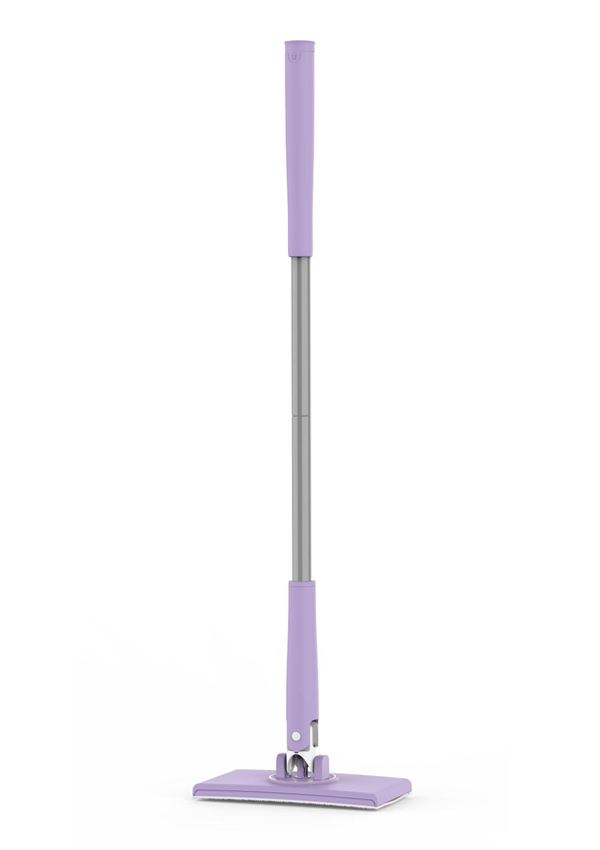
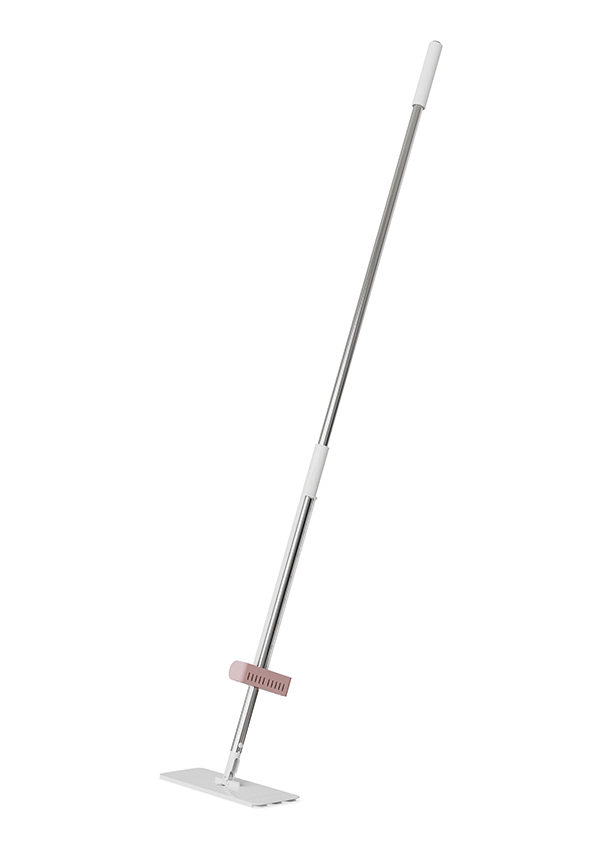
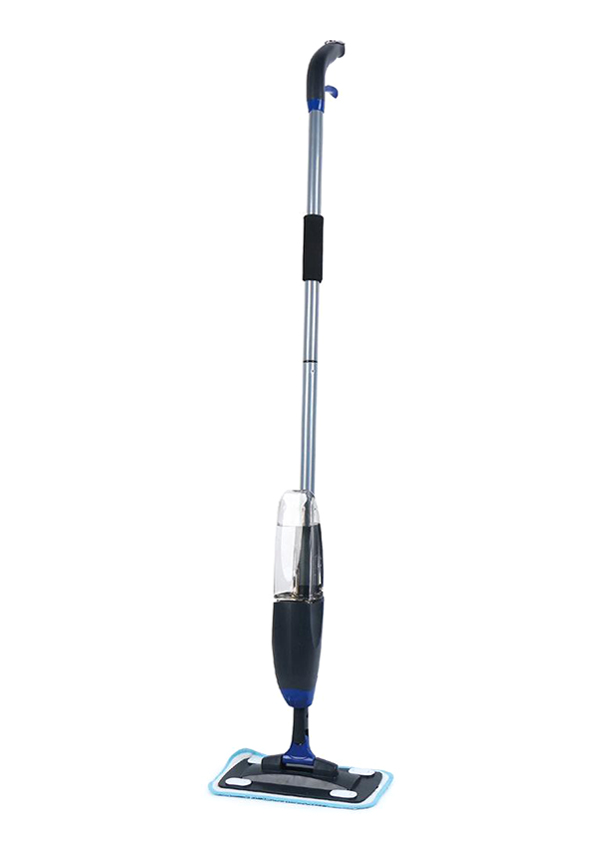
For daily maintenance and rapid sanitization, many modern households and commercial facilities utilize specialized floor wipes and flat microfiber mop pads. Wet floor wipes are typically constructed from non-woven spunlace fabrics, which are synthetic blends of polyester and viscose fibers bonded together under high-pressure water jets.
These wipes are pre-saturated with targeted chemical cleaning solutions that dissolve grease, disinfect bacteria, and evaporate rapidly to prevent water spots and streaks on polished wood.
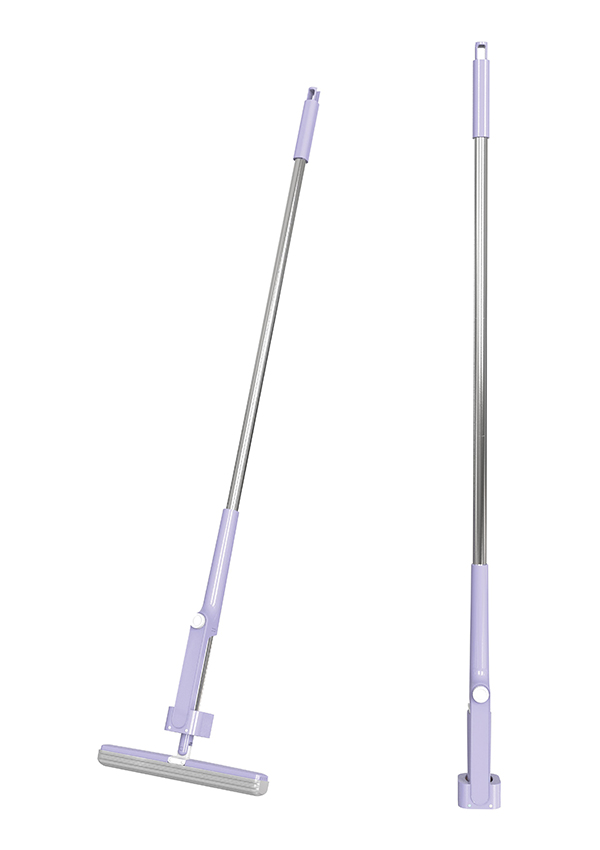
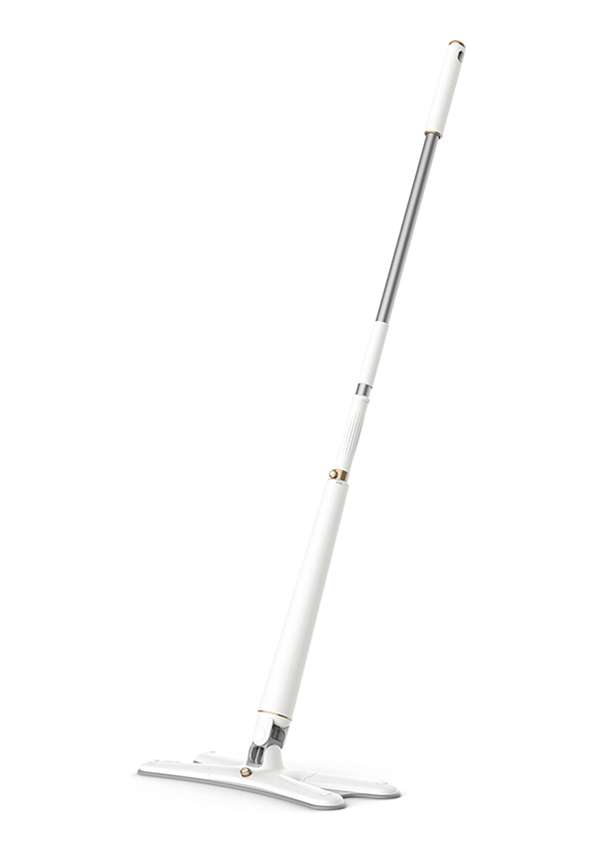
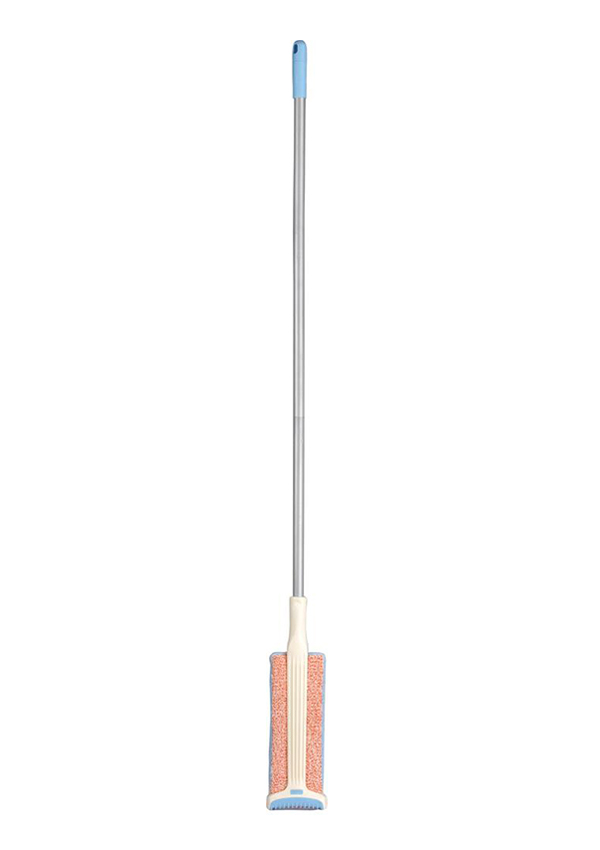
For heavy-duty mopping, reusable flat microfiber pads are superior. These pads feature a dual-texture weave, combining soft, highly absorbent microfiber loops that hold soapy water with rows of stiff polyester scrubbing strips that dislodge stubborn, dried-on food and dirt.
Because flat microfiber mops use significantly less water than traditional string mops, they are highly safe for moisture-sensitive engineered wood and laminate floors, preventing water from seeping into the joints and causing the boards to swell and warp.
Glass, Mirror, and Screen Cleaning
Polished glass, bathroom mirrors, and modern electronic display screens are among the most difficult surfaces to clean. Because of their flat, reflective nature, even the smallest speck of dust, oil smudge, or chemical residue is immediately visible, creating unsightly streaks that ruin the clarity of the surface.
To clean glass and electronic screens effectively, traditional terry-weave microfiber or cotton cloths must be avoided, as their looped pile can trap small grit particles that can cause permanent, microscopic scratches on delicate anti-reflective coatings.
Instead, the optimal tool for these polished surfaces is a flat-weave, ultra-fine microfiber glass cloth, which is often referred to as a smooth or suede microfiber.
These specialized cloths feature a tight, zero-pile weave that feels silky and smooth to the touch.
Because there are no loops, the cloth glides across the glass with minimal friction, shearing away greasy fingerprints, hairspray mist, and water spots without leaving behind any lint or streaks.
When cleaning delicate laptop, smartphone, and television screens, these cloths should be used completely dry or with a single, light spray of deionized water, as harsh chemical glass cleaners can dissolve the protective oleophobic coatings built into the glass.
Best Practices for Cleaning Cloth Maintenance
A high-quality cleaning cloth is a precision engineering tool, and if it is not maintained, washed, and stored correctly, its microscopic structure will quickly degrade, rendering the fabric ineffective and potentially hazardous to the surfaces you clean.
Proper Washing and Laundering Protocols
To preserve the capillary action and electrostatic properties of synthetic microfiber cleaning cloths, they must be laundered according to strict guidelines that differ significantly from standard cotton laundry.
First, never wash microfiber cloths together with cotton towels or natural fiber garments. During the agitation cycle of the washing machine, the highly attractive synthetic fibers of the microfiber will pull the loose cotton lint off the towels, clogging the microscopic wedge-shaped capillary channels of the microfiber.
Once these channels are filled with cotton lint, the cloth loses its ability to absorb liquid and trap dust, turning a premium cleaning tool into a standard, ineffective rag.
Second, avoid using fabric softeners or laundry detergents that contain fabric-softening additives. Fabric softeners work by depositing a thin, waxy layer of silicone or chemical conditioning agents over the fibers to make them feel soft to the touch.
While this is desirable for bath blankets and t-shirts, coating a microfiber cleaning cloth in silicone completely seals the microscopic capillary channels and neutralizes the natural electrostatic charge. The cloth becomes hydrophobic, causing water and cleaning solutions to bead up and slide off the fabric rather than being absorbed.
If a microfiber cloth is accidentally washed with fabric softener, its cleaning properties can often be restored by washing it again immediately in hot water with a small amount of distilled white vinegar, which dissolves the waxy silicone residue.
Third, manage washing and drying temperatures carefully. Polyester and polyamide are thermoplastic polymers that have relatively low melting points.
Washing microfiber cloths in boiling water or drying them in a commercial dryer on high heat settings can cause the ultra-fine tips of the fibers to melt and fuse together.
Once fused, the fibers lose their softness, become stiff and abrasive, and can scratch delicate painted or polished surfaces.
To prevent this thermal damage, always wash microfiber cloths in warm or cool water and dry them on a low heat or air-dry setting, or hang them to dry on a line in a well-ventilated room.
Cross-Contamination Prevention and Color Coding
In both commercial janitorial operations and residential households, preventing the spread of harmful pathogens, bacteria, and chemical residues from one area of a building to another is an absolute requirement for maintaining health and safety.
Using the same cleaning cloth to wipe down a toilet bowl and then using it to clean a kitchen food preparation counter is a primary vector for the transmission of dangerous gastrointestinal pathogens like Escherichia coli and Salmonella.
To eliminate this biological hazard, the implementation of a strict color-coding system is highly recommended.
The international sanitary standard for color-coded cleaning utilizes four distinct colors to designate specific cleaning zones throughout a facility.
By adhering to this systematic color-coded layout, cleaning staff and homeowners can instantly identify whether a cloth is being used in its appropriate zone.
Red cloths, which are reserved for high-risk restroom areas, are never allowed to cross the threshold into the kitchen or living room.
Additionally, this system ensures that the aggressive chemical disinfectants used on bathroom fixtures, such as chlorine bleach or acidic descalers, do not accidentally transfer onto delicate kitchen granite countertops or polished wooden office desks, protecting your valuable property from chemical etching and staining.
By combining the correct fiber materials with rigorous hygienic protocols and careful equipment maintenance, you can ensure that your cleaning routine remains fast, highly efficient, and completely safe for your health and your home.