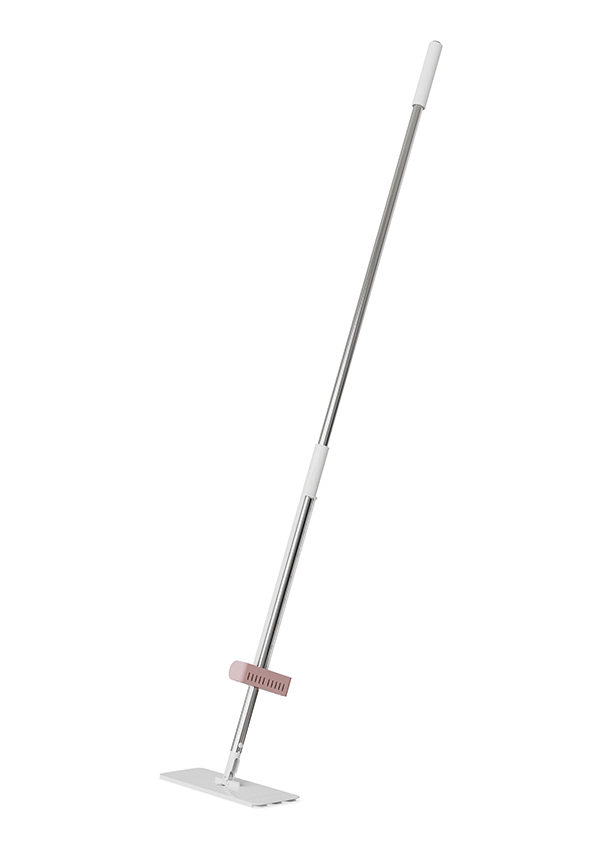
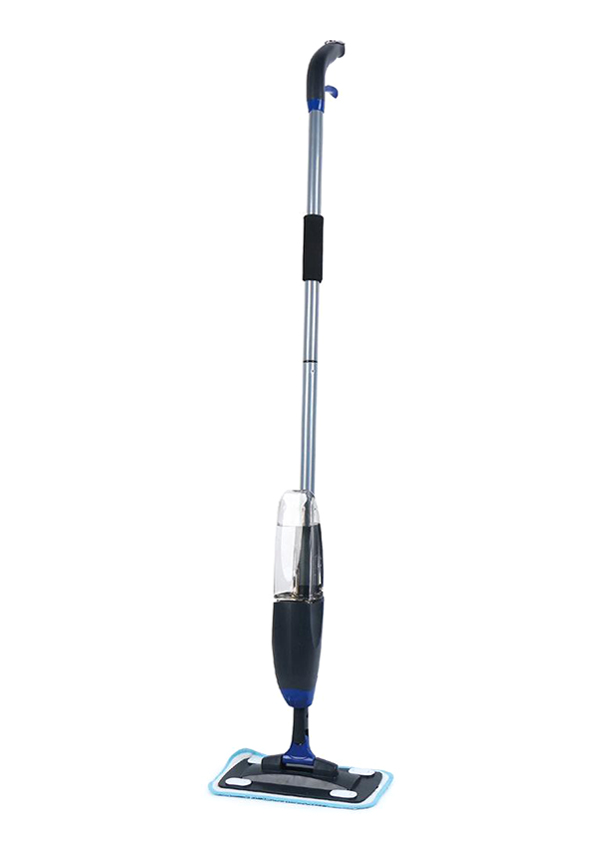
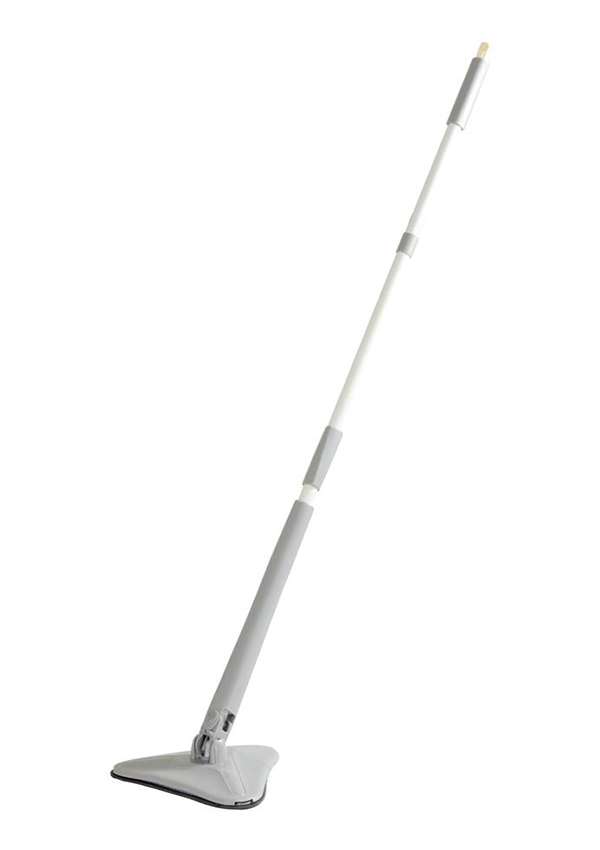
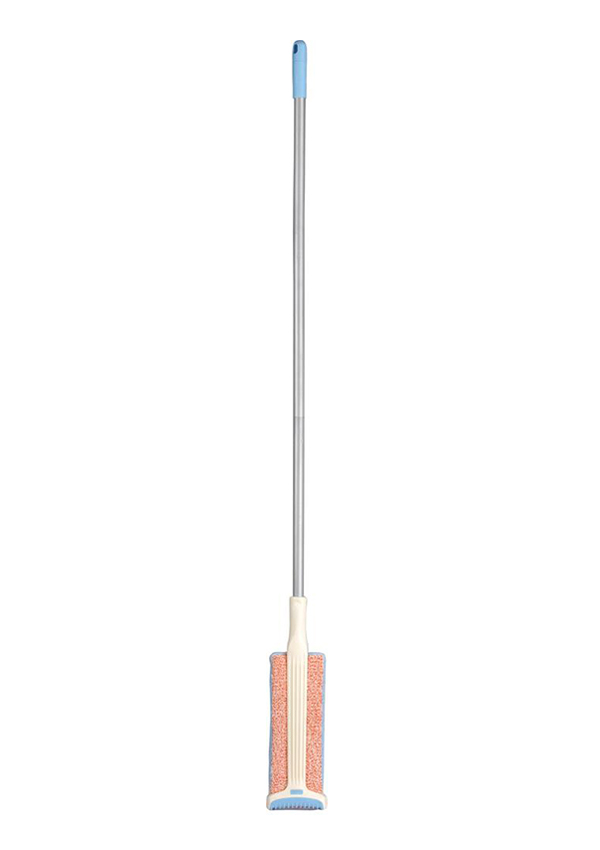
What Is the Best Duster for Dusting and Which Type Handles Each Surface
The best duster for dusting for most homes is a microfiber cleaning duster with an extendable retractable handle, because it combines genuine dust capture (the microfiber's positive static charge traps dust particles electrostatically rather than pushing them airborne) with the reach to clean ceiling fans, tall bookshelves, and light fixtures without a stepladder, and the convenience of machine-washable refill heads that eliminate ongoing supply purchases.
The single best duster for dusting is not a universal answer, because different surfaces and different types of dust accumulation require different duster types to clean effectively without damage:
- General flat surfaces (shelves, furniture, electronics, picture frames): Microfiber cleaning duster with a flat or flexible head. The microfiber fibers create an electrostatic charge that attracts and holds dust particles as the duster passes over the surface, capturing them into the fiber rather than displacing them into the air.
- High and hard-to-reach surfaces (ceiling fans, crown molding, top of wardrobes, light fittings): Retractable dust cleaner with an extendable pole (60 to 180 cm extended length) and a pivoting or angled head. The retractable design eliminates the need for a ladder in most household ceiling heights and allows dusting at angles that a fixed-handle duster cannot reach.
- Textured or irregular surfaces (blinds, louvered shutters, intricate furniture carving): Dusters with refills designed as fluffy fiber poms (Swiffer-style disposable or washable microfiber refills) that deform into gaps and crevices, capturing dust from all face angles of the texture simultaneously.
- Delicate surfaces (screens, lenses, painted artwork): An electrostatic cleaning duster specifically rated for sensitive surfaces, or a dedicated microfiber cloth used with zero pressure. Standard feather or fluffy fiber dusters are not appropriate for screens and lenses as their fibers can scratch optical coatings.
Maintaining a dust-free home requires more than the right duster: it also requires attention to indoor air quality at its source. Just as a good retractable dust cleaner addresses accumulated particulate on surfaces, a water dispenser for home delivery addresses the quality of the water used for drinking, cooking, and cleaning within the same environment, supporting overall household cleanliness from both air and water perspectives.
Cleaning Duster Materials: Why the Fiber Type Determines Whether Dust Is Captured or Redistributed
The most important and least-understood aspect of cleaning duster selection is how the fiber material of the duster head determines whether dust is genuinely captured during cleaning or simply displaced from one surface to another through the air. This distinction separates cleaning dusters that actually improve indoor air quality from those that merely move the problem to a different location.
How Microfiber Captures Dust: The Electrostatic Mechanism
Microfiber is the most effective cleaning duster material for genuine dust capture because of how it interacts with dust particles at the physical level. Microfiber is split during manufacturing into fibers that are approximately 1/100th the diameter of a human hair (typically 0.5 to 2 micrometres in diameter). These extremely fine fibers generate a static electrical charge through friction as the duster is moved across surfaces, and this electrostatic charge attracts dust particles (which carry a slight negative charge) into the fiber matrix, holding them there through electrostatic attraction rather than simply sweeping them with mechanical force.
The practical consequence of this capture mechanism:
- Microfiber dusters capture dust at the first pass rather than requiring multiple passes or wet wiping to complete dust removal. A single pass of a microfiber cleaning duster across a dusty shelf captures 98% to 99% of surface dust particles into the fiber, compared to 70% to 80% capture with a traditional feather duster that relies primarily on mechanical sweeping.
- Microfiber dusters do not require any cleaning product to capture dust from dry surfaces, which reduces the chemical load in the home environment and prevents the product residue buildup on surfaces that liquid cleaners used for routine dusting can produce over time.
- Captured dust stays in the fiber until the duster is shaken outdoors or washed, rather than falling back onto the surface or becoming airborne during the cleaning process itself. This is particularly significant for allergy sufferers and households with asthma: a feather or lambswool duster that mechanically sweeps dust launches a measurable particle cloud into the air that remains suspended for 15 to 30 minutes after dusting, while a microfiber cleaning duster produces minimal airborne particle release during normal use.
Feather Duster vs Microfiber Cleaning Duster vs Lambswool: A Direct Comparison
| Duster Type |
Dust Capture Mechanism |
Allergen Displacement Risk |
Surface Compatibility |
Reusability |
Cost Per Year |
| Microfiber cleaning duster |
Electrostatic capture (traps dust in fibers) |
Low |
Excellent (most surfaces) |
High (washable 200 to 500 times) |
USD 5 to 15 (head replacement only) |
| Feather duster (ostrich) |
Mechanical sweeping (moves dust) |
High |
Good for delicate ornaments |
High (shake clean outdoors) |
USD 10 to 30 (one-time purchase) |
| Lambswool duster |
Lanolin oil attracts and holds dust |
Moderate |
Good for textured surfaces |
Moderate (shake and wash with wool wash) |
USD 15 to 40 (one-time purchase) |
| Dusters with refills (disposable fiber) |
Fiber trapping and mild electrostatic |
Low to moderate |
Very good (fluffy head reaches crevices) |
Low (disposable refills every 1 to 4 weeks) |
USD 20 to 50 (refills consumed annually) |
| Electrostatic cleaning duster (synthetic pom) |
Strong electrostatic attraction |
Very low |
Excellent including electronics |
High (shake outdoors to release) |
USD 10 to 25 (one-time or annual replacement) |
Comparison of cleaning duster types by dust capture mechanism, allergen displacement risk, surface compatibility, reusability, and annual cost
Why Feather Dusters Remain Popular Despite Their Limitations
The traditional feather duster continues to sell widely despite microfiber and electrostatic alternatives providing superior dust capture, for two genuine reasons that reflect real user needs rather than simply uninformed purchasing:
- Feather dusters are gentler on fragile decorative objects than stiffer microfiber or synthetic fiber dusters. The very soft, yielding tips of quality ostrich feathers can navigate around the protruding elements of delicate ornaments, porcelain figurines, and intricate antique furniture without applying the mechanical pressure that could chip, dislodge, or scratch delicate decorative elements. For households with significant collections of fragile decorative objects, a quality ostrich feather cleaning duster remains the most appropriate tool for those specific items even when microfiber is used for all other surfaces.
- Feather dusters require no maintenance or replacement cycle: A quality ostrich feather cleaning duster shaken outdoors after each use and stored hanging (to preserve feather shape) can last 5 to 10 years. There is no washing cycle, no refill purchase schedule, and no degradation in the feather's physical softness that changes how it handles fragile objects over its service life.
Dusters with Refills: The Ongoing Cost and Environmental Trade-Off
Dusters with refills (exemplified by the Swiffer Duster system and its many equivalent competitors) are the most widely purchased cleaning duster category in North American households, driven by convenience of single-use disposal and the marketing positioning of the "fresh duster every time" concept. Understanding the real cost and environmental trade-off of dusters with refills helps buyers make an informed decision between the disposable refill model and washable alternatives.
How Dusters with Refills Work and Why They Are Effective
Standard dusters with refills use a flexible plastic handle and wand into which a fluffy fiber refill head is clipped. The refill head is constructed from polyester or a polyester-cotton blend of loosely arranged fibers that are textured to create multiple contact points with irregular surfaces. As the refill head is moved across a dusty surface, the fiber tips contact the dust particles from multiple angles, trapping them within the loose fiber matrix through a combination of mechanical interception and mild electrostatic attraction built into the polyester fiber material.
The effectiveness of dusters with refills for specific surfaces:
- Horizontal blinds: The loose, pom-style fiber construction of a standard duster with refill is uniquely effective at wrapping around individual blind slats and cleaning both the top and bottom faces simultaneously in a single pass. This bilateral capture makes dusters with refills significantly more efficient on blinds than flat microfiber heads that contact only the top face of each slat.
- Baseboards and crown molding: The flexible, wide fiber head of a duster with refill conforms to the curved profile of baseboards and moldings, reaching into the recessed areas at the junctions with the wall and floor that rigid cleaning duster heads cannot access without multiple repositioning passes.
- Electronics and entertainment systems: The low-pressure, no-liquid approach of dusters with refills is safe for electronics, TVs, and entertainment system components where liquid cleaning products risk damage and compressed air cans are impractical for regular maintenance.
The Real Annual Cost of Dusters with Refills vs Washable Alternatives
The handle component of a standard dusters with refills system costs USD 5 to USD 15 and lasts indefinitely. The ongoing cost is entirely in the refill heads, which represent the business model of the category:
- Disposable refill consumption rate: Under typical household use (dusting 2 to 3 times per week across a full home), most households consume 1 refill per 1 to 2 weeks of regular dusting, or approximately 25 to 50 refill heads per year. At a cost of USD 0.70 to USD 1.50 per refill, the annual refill cost ranges from USD 17 to USD 75 depending on dusting frequency and refill brand chosen.
- Washable microfiber equivalent annual cost: A quality washable microfiber cleaning duster head rated for 200 to 500 machine washes costs USD 5 to USD 15 per replacement head. At a washing interval of once every 2 weeks (after each dusting session), a single microfiber head lasts 4 to 10 years before reaching its wash cycle limit. Annual cost: approximately USD 1 to USD 4 per year for the microfiber head, plus negligible laundry contribution.
- Environmental consideration: A household using disposable dusters with refills generates approximately 25 to 50 single-use plastic-and-fiber refill heads per year, equivalent to 1 to 2 kilograms of non-recyclable mixed-material waste annually from this single cleaning product category. Washable microfiber replacements generate essentially zero packaging waste once the initial product is purchased.
When Dusters with Refills Are the Better Practical Choice
Despite the higher annual cost and environmental impact, dusters with refills remain the better practical choice in specific situations:
- Heavily soiled or high-dust-load environments: In homes with pets, near construction sites, or in high-traffic areas, a single dusting session may fill the fiber head so thoroughly with captured dust that continuing to use it redistributes more dust than it captures. A disposable refill that is discarded when full avoids this diminishing returns problem without requiring an interruptive head-washing cycle mid-session.
- Elderly or limited-mobility users: The lightweight, no-maintenance design of a disposable refill system is more practical for users who cannot easily access the washing machine to launder duster heads, or who prefer the simplicity of attach-use-discard over maintaining a washable cleaning product system.
- Short-term or rental property use: In temporary living situations, vacation rentals, or property management contexts where a full cleaning equipment investment is not justified, the low entry-cost handle and widely available refill supply chain of the major dusters with refills systems makes practical sense.
Retractable Dust Cleaner: Features, Selection, and Practical Use
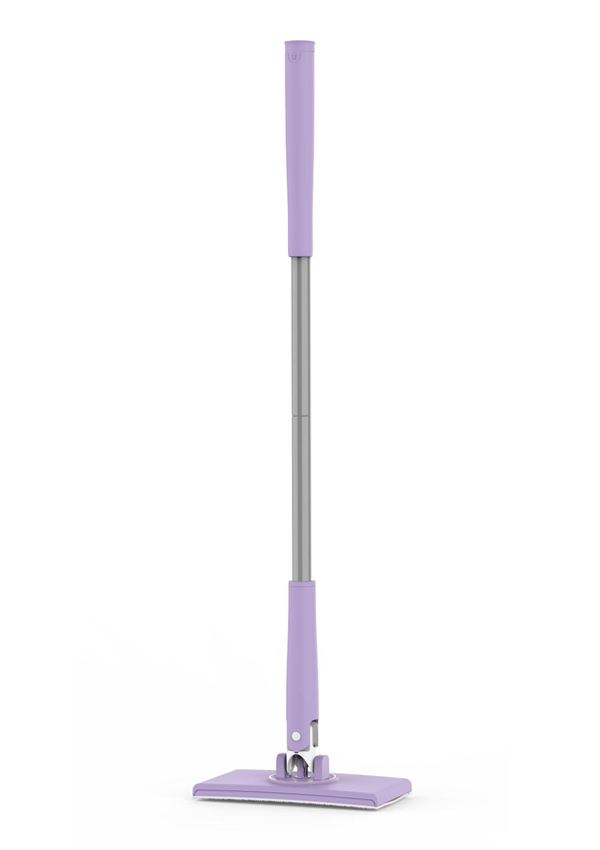
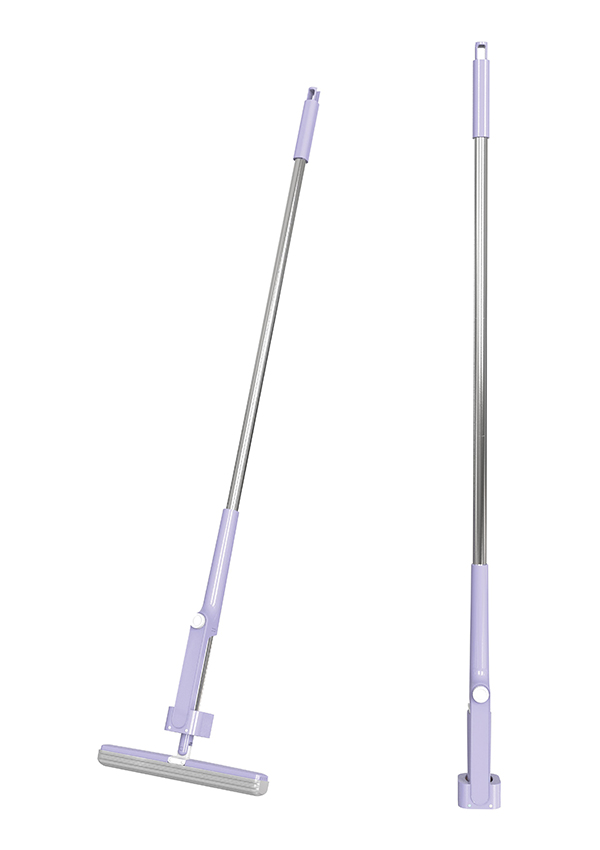
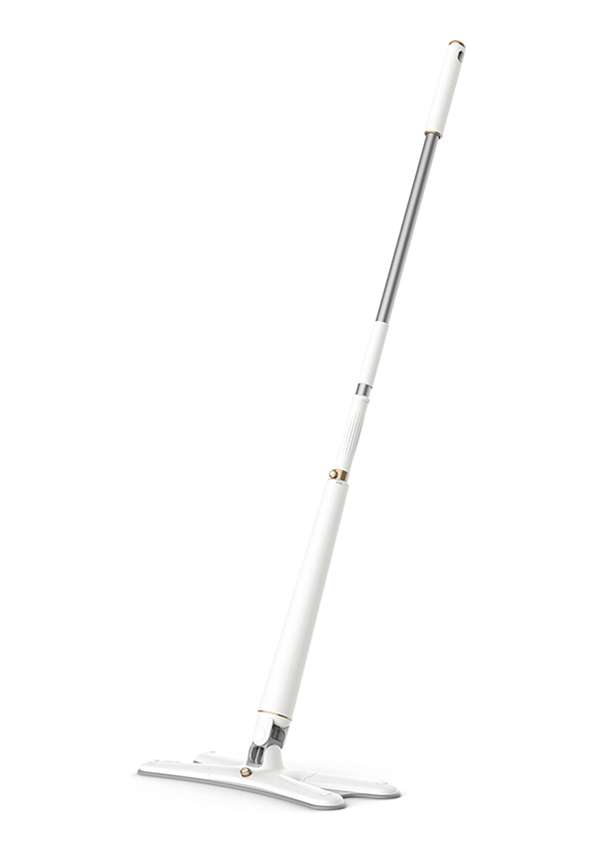
A retractable dust cleaner is an extendable pole cleaning duster system where the handle extends from a compact stored length (typically 40 to 60 cm) to a working length of 80 to 180 cm or more, allowing the user to dust high-reach surfaces without a ladder and without straining to extend a fixed-length handle above comfortable shoulder height. The retractable mechanism is the defining feature that makes this category distinctly more practical than fixed-handle dusters for the majority of high-reach household dusting tasks.
Where a Retractable Dust Cleaner Is Essential
- Ceiling fan blades: The top surface of ceiling fan blades accumulates a thick layer of sticky dust (from the combination of airflow over the blades and the electrostatic charge generated by the spinning motor) that is one of the most significant sources of allergen release in a home when the fan is turned on after a period of non-use. Research from the American College of Allergy, Asthma and Immunology has found that ceiling fans can launch 50 times more dust particles into the breathing zone than gentle disturbance of floor dust when their blades are heavily coated, making regular fan blade cleaning one of the highest-impact dusting tasks for allergy sufferers. A retractable dust cleaner with a pivoting, angled head is the only practical tool for cleaning fan blade top surfaces without a ladder.
- Top of tall furniture: The tops of wardrobes, bookcases, kitchen cabinets, and armoires accumulate the heaviest dust deposits in most homes because they are rarely disturbed and are positioned in the natural updraft zones where dusty air from lower in the room rises and settles. A retractable dust cleaner extended to its maximum reach accesses these surfaces without requiring the user to stand on furniture or a stepladder.
- Crown molding and ceiling-wall junctions: The horizontal ledge of crown molding at the ceiling line collects both dust and cobwebs and is physically impossible to reach from standing height without a tool extension. A retractable dust cleaner with a flexible neck that angles the duster head against the ceiling-wall junction cleans this surface in a single pass without requiring repositioning.
- Light fixtures and pendants: Glass pendant lights and flush ceiling fixtures collect dust on their upper surfaces that is invisible from standing height but can be substantial. A retractable dust cleaner with a soft, non-abrasive head cleans glass and frosted fixture surfaces without the risk of abrasion from contact with harder-tipped dusters.
- Under beds and furniture without moving them: Extended to its full length and oriented horizontally, a retractable dust cleaner with a flat head reaches under low-clearance furniture (beds, sofas, cabinets with legs) to collect the significant dust accumulation that builds up in these areas over time. This ability to reach without moving heavy furniture is one of the most practically valued features of a retractable design in daily cleaning routines.
What to Look for in a Quality Retractable Dust Cleaner
- Extension range and locking mechanism: A useful retractable dust cleaner should extend to at least 120 cm (approximately 4 feet) to reach standard 2.4 metre (8 foot) ceiling heights comfortably from standing position. The locking mechanism that maintains the chosen extension length during use should be positive and secure: a retractable cleaner whose pole collapses back to its stored length under the weight of the duster head during an overhead cleaning pass is both ineffective and a safety concern.
- Head pivot or flexibility: A rigid head at a 90-degree angle to the pole is useful for floor-level under-furniture reach but is the wrong geometry for overhead ceiling fan and molding cleaning. The best retractable dust cleaners feature a pivot joint at the head that allows the duster to be repositioned from a straight inline position (for horizontal reach under furniture) to an angled position (for vertical reach to ceiling surfaces and fan blades) with a simple adjustment mechanism.
- Head material and washability: As discussed in the cleaning duster section, a microfiber head on the retractable dust cleaner provides the best dust capture. The head should be removable for washing without tools, as a head that requires a screwdriver or other tool to remove will be washed far less frequently than the cleaning routine requires.
- Pole material: Aluminum pole sections provide the best balance of lightweight operation and rigidity for a retractable dust cleaner. Plastic pole sections are lighter but flex noticeably at full extension when the head encounters resistance during cleaning, which produces a frustrating "missing" sensation when the pole bends rather than transferring the cleaning force to the surface being dusted.
Water Dispenser for Home Delivery: Supporting a Clean Home Environment From the Inside
A water dispenser for home delivery is a household appliance that connects to a home-delivered bottled water supply (typically 18.9-litre bottles, commonly called 5-gallon bottles) and provides both cold and hot water on demand, eliminating the need to store drinking water in the refrigerator, boil a kettle for hot beverages, or rely on tap water quality for consumption and cooking.
The connection between a water dispenser for home delivery and the broader clean home environment is direct and practical: just as regular dusting with the right cleaning duster removes accumulated particulates from surfaces and air, a water dispenser for home delivery removes the variables of tap water quality (mineral content, chlorine taste, and potential contaminants) from the home's primary drinking and hot beverage supply. Both practices address environmental quality within the home: one for air and surfaces, one for water.
Types of Water Dispenser for Home Delivery
- Top-loading water dispenser: The standard and most widely used water dispenser for home delivery format. The 18.9-litre bottle sits inverted on top of the dispenser body, feeding water by gravity and atmospheric pressure exchange into the reservoir. Top-loading models are the easiest to install (place the bottle on the dispenser and you are done) but require the user to lift the full bottle (approximately 19 kg when full) to the height of the dispenser top (typically 100 to 110 cm). For households where lifting 19 kg overhead is a practical limitation, a bottom-loading model is the more appropriate specification.
- Bottom-loading water dispenser: The water bottle sits in a cabinet at the base of the dispenser, accessed through a front door, and is connected to the dispenser's pump system by a probe tube. The pump moves water from the bottle up to the hot and cold reservoirs on demand. Bottom-loading models eliminate the overhead lifting requirement and completely conceal the water bottle for a neater appearance, at the cost of a more complex pump mechanism and a slightly higher purchase price.
- Countertop water dispenser for home delivery: A compact version of the top-loading design that accepts smaller 11.4-litre (3-gallon) or mini bottles and sits on a kitchen counter rather than on the floor. Appropriate for smaller households or kitchens with limited floor space, where a full-height floor-standing water dispenser would dominate the floor plan.
What to Look for in a Water Dispenser for Home Delivery
- Temperature capability (cold, hot, and room temperature options): The most versatile water dispenser for home delivery provides cold water (chilled to 4 to 10 degrees Celsius for drinking), hot water (heated to 85 to 95 degrees Celsius for instant tea, coffee, and hot beverages), and ideally a room-temperature dispense option for users who prefer non-chilled water. The hot water function eliminates a separate kettle for most hot beverage applications, simplifying the kitchen appliance set.
- Child safety lock on the hot water tap: The hot water dispensed by a water dispenser for home delivery is at or near boiling temperature and is a serious burn risk for young children who may access the dispenser unsupervised. A child safety lock that requires a deliberate two-step action (press a button AND pull or push the tap) is a minimum safety requirement for households with children under 8 years old.
- Energy efficiency and standby mode: A water dispenser for home delivery that maintains both a cold reservoir and a hot reservoir continuously consumes electricity 24 hours a day. Quality models include a standby or eco-mode that reduces the hot water temperature during overnight or extended non-use periods, reducing electricity consumption by 30% to 50% during these periods. The annual electricity cost of a continuously operating water dispenser for home delivery ranges from approximately USD 30 to USD 80 depending on local electricity rates and the model's energy efficiency rating.
- Ease of cleaning the water reservoir: The internal cold water reservoir of a water dispenser for home delivery should be cleaned and sanitized every 3 to 6 months to prevent biofilm and bacterial growth in the tank. Dispensers with removable drip trays and accessible reservoir clean-out ports are significantly easier to maintain than those where the reservoir is entirely sealed and accessible only by a professional service technician.
Water Dispenser for Home Delivery vs Filtered Tap Water: Practical Comparison
| Criterion |
Water Dispenser for Home Delivery |
Under-Sink Filtered Tap Water |
Standard Tap Water |
| Taste and odor quality |
Excellent (neutral, no chlorine) |
Very good (filter removes chlorine) |
Variable (city dependent) |
| Installation complexity |
None (plug in and place bottle) |
Moderate (under-sink plumbing) |
None |
| Ongoing cost per litre |
USD 0.08 to 0.20 (delivery dependent) |
USD 0.01 to 0.05 (filter cost amortized) |
Under USD 0.01 |
| Hot water on demand |
Yes (85 to 95 degrees C) |
No (cold filtered only, usually) |
No |
| Independence from tap water quality |
Complete |
Partial (removes some contaminants) |
None |
| Plastic bottle waste generated |
Minimal (large reusable bottles returned) |
None |
None |
Practical comparison of water dispenser for home delivery, under-sink filtered tap, and standard tap water across taste, cost, installation, and environmental criteria
Building an Effective Home Dusting Routine: How Often, In What Order, and With Which Tools
Having the right cleaning duster, dusters with refills, and retractable dust cleaner is only valuable when they are used in a systematic routine that addresses all dust accumulation zones in the correct sequence. A poorly sequenced dusting routine can undo its own work: cleaning ceiling fan blades after dusting furniture below results in ceiling fan dust falling onto the newly cleaned furniture, requiring re-dusting of those surfaces.
The Correct Top-to-Bottom Dusting Sequence
- Ceiling fans and ceiling-mounted light fixtures first, using the retractable dust cleaner at full extension. Any dust dislodged from these highest surfaces falls downward and will be collected in subsequent lower-surface cleaning passes. Starting here prevents re-soiling already-cleaned lower surfaces.
- Crown molding, ceiling-wall junctions, and upper wall surfaces second, still using the retractable dust cleaner to capture cobwebs and the fine dust layer that accumulates on horizontal ledge surfaces near the ceiling.
- Top surfaces of tall furniture (wardrobes, bookcases, cabinets) third, using the retractable dust cleaner or a regular cleaning duster depending on the surface height. These surfaces carry the heaviest individual dust deposits in most rooms.
- Flat shelf and furniture surfaces at normal reach height fourth, using the microfiber cleaning duster for flat surfaces and dusters with refills for textured or complex-geometry items like blinds, books, and decorative objects.
- Electronics, screens, and equipment at desk and entertainment center height fifth, using a dedicated electrostatic cleaning duster or a fresh microfiber cleaning duster that has not yet been used for dustier general surfaces in this session.
- Baseboards and low surface areas sixth, using the retractable dust cleaner in its extended horizontal position, or a cleaning duster with a flexible angled head.
- Under-furniture areas last, using the retractable dust cleaner in its fully extended horizontal position to collect dust bunnies and debris from under beds, sofas, and cabinets without moving the furniture.
Dusting Frequency by Surface Type
- Weekly: Horizontal flat surfaces at normal height (shelves, tables, electronics), blinds, baseboards. These accumulate visible dust within 3 to 7 days in most household environments.
- Monthly: Ceiling fan blades, light fixtures, top of tall furniture, crown molding. These accumulate more slowly but hold more dust per session and have the highest allergen-release impact when disturbed.
- Every 3 to 6 months: Behind furniture, inside decorative objects, window tracks, air vent covers. These areas accumulate slowly but are significant allergen reservoirs when neglected for long periods.
- After every use: Clean the cleaning duster or retractable dust cleaner head after each session by shaking outdoors or washing, so it is ready for its next use without redistributing the collected dust from the previous session into the room on its first pass.
Frequently Asked Questions
1. What is the best duster for dusting a home with allergy sufferers?
The best duster for dusting in a home with allergy sufferers is a washable microfiber cleaning duster used with an extendable retractable dust cleaner for high-reach surfaces. Microfiber's electrostatic capture mechanism traps dust particles within the fiber rather than displacing them into the air, reducing the particle cloud that traditional feather dusters and mechanical sweep-style dusters generate during use. For allergy sufferers, the sequence and timing of dusting also matters: always dust before vacuuming (so the vacuum's HEPA filter can capture any particles that do become airborne during dusting), dust in the morning so the remaining airborne particles have the full day to settle before sleeping, and wash the microfiber duster head after every session to prevent the captured allergens from being redeposited on surfaces in subsequent cleaning sessions.
2. How often should I replace or wash my cleaning duster?
A washable microfiber cleaning duster head should be washed after every 2 to 4 uses, or whenever it appears visibly gray with captured dust. Most quality microfiber cleaning duster heads are rated for 200 to 500 machine washes before their fiber structure degrades enough to reduce performance. At a washing interval of once per week (for regular weekly dusting), this rating translates to 4 to 10 years before the head requires replacement. Wash microfiber cleaning duster heads in warm water (below 60 degrees Celsius) without fabric softener, as fabric softener coats the microfiber with a waxy residue that blocks the fine fiber structure and eliminates the electrostatic capture property that makes microfiber effective. Disposable dusters with refills should be replaced when the fiber head is visibly gray with dust and no longer captures additional particles efficiently, which typically occurs after 1 to 3 uses in moderate-dust environments or after a single use in very dusty conditions.
3. Can I use a retractable dust cleaner on ceiling fans without a ladder?
Yes, a retractable dust cleaner extended to 120 to 180 cm is sufficient to reach ceiling fan blades in standard 2.4 metre (8 foot) ceiling rooms from standing position. For higher ceilings (2.7 to 3 metres, common in older homes and new construction), a retractable dust cleaner that extends to 180 cm or more is required. The most effective technique for ceiling fan blades is to use a retractable dust cleaner with a pivoting head angled to approach the blade from above rather than from below, as the top surface of the blade accumulates the heaviest dust deposit and is the primary source of fan-launched allergens when the fan is turned on. Some retractable dust cleaner designs include a flexible sleeve-style head that wraps around the blade and cleans both the top and bottom surfaces simultaneously in a single pull, which is more efficient than cleaning each face separately.
4. Are dusters with refills worth the ongoing cost compared to washable alternatives?
Dusters with refills are worth the ongoing cost for users who value maximum convenience and do not want to manage a washing cycle for cleaning tools, or for households with heavy dust loads where a fresh, clean duster head for each session produces noticeably better results than a reused head that may still carry some captured dust from the previous session. For users who dust regularly with moderate dust loads and are comfortable washing a microfiber head in the washing machine, the washable alternative costs 80% to 95% less per year (USD 1 to USD 4 per year versus USD 17 to USD 75 for disposable refills) and generates significantly less household waste. The environmental consideration of 25 to 50 non-recyclable mixed-material refill heads per year is a meaningful factor for households with sustainability priorities.
5. What is the correct way to use a cleaning duster to avoid spreading dust?
The correct technique for using a cleaning duster to avoid spreading dust involves three discipline points that most casual users overlook. First, always dust from top to bottom: starting at the highest surface in the room and working downward ensures that any dust dislodged from upper surfaces falls onto surfaces that have not yet been dusted, rather than re-soiling already-cleaned lower surfaces. Second, use long, smooth strokes rather than short back-and-forth passes: the rapid back-and-forth motion of an impatient dusting stroke launches more particles into the air than a single slow, sweeping pass in one direction. Third, fold the cleaning duster head to a fresh face every few strokes on heavily dusty surfaces: using the same saturated fiber face repeatedly pushes captured dust back off the duster onto the surface rather than transferring it to a clean fiber area. For a microfiber cleaning duster with a folded rectangular head, this means folding the head to expose a new face every 3 to 4 passes across a heavily dusty shelf.
6. What features are most important in a water dispenser for home delivery?
The most practically important features in a water dispenser for home delivery are: hot and cold temperature capability (which makes the dispenser a functional replacement for both the refrigerator's water access and the kettle for most hot beverage needs); a child safety lock on the hot water tap for any household with children under 8 years old; bottom-loading bottle format for any household member who cannot safely lift an 18.9-litre bottle (approximately 19 kg) to shoulder height; a visible water level indicator so the bottle replacement timing is predictable rather than surprising; and easy-access cleaning ports for the internal reservoir (the most commonly neglected maintenance task on water dispensers, and the one that most affects water quality over time). Energy efficiency with a standby mode reduces the electricity cost of continuous hot and cold reservoir maintenance from approximately USD 80 per year on a basic model to USD 30 to USD 50 on an efficient model with eco-mode, which is meaningful over the 5 to 10-year service life of a quality dispenser.
7. How do I clean a retractable dust cleaner after use?
Cleaning a retractable dust cleaner after use involves two steps: immediate dust release and periodic deep cleaning. After each use, take the retractable dust cleaner outside and shake the duster head vigorously to release the bulk of captured dust into the outdoor air rather than back into the room being cleaned. For a microfiber head that is removable from the pole, detach the head and machine wash it in warm water without fabric softener after every 2 to 4 dusting sessions, as described in the duster maintenance section. The pole sections of a retractable dust cleaner rarely require cleaning beyond a periodic wipe with a damp cloth to remove any transferred grime from surface contact. The extension locking mechanism should be tested at each use and any stiffness or difficulty in locking at the desired extension length should be addressed by cleaning any dust and debris from the locking collar before the mechanism wears and requires replacement.
8. Can a microfiber cleaning duster be used on electronics and TV screens?
A clean, dry microfiber cleaning duster with fine-grade fibers can be used on TV screens and electronics for light dust removal, but with two important precautions. First, ensure the microfiber head is completely clean before use on a screen: microfiber that has previously been used on general surfaces may have trapped abrasive particles (grit, hard mineral dust) in its fibers that can scratch the anti-glare coating of modern TV panels and laptop screens. Designate a dedicated microfiber head exclusively for screen use and wash it after every use. Second, use zero mechanical pressure: allow the weight of the microfiber fibers alone to contact the screen surface, and move the duster in one direction only (not back and forth) to prevent trapped particles from abrading the surface under the pressure of a second-direction stroke. For screens with significant fingerprint smudging or adherent contamination, a dedicated electronic screen cleaning kit (microfiber cloth with distilled water or isopropyl alcohol solution) is more appropriate than a cleaning duster.
9. What is the best cleaning duster for blinds?
The best cleaning duster for blinds depends on the blind type. For horizontal vinyl or aluminum blinds, a fluffy pom-style duster (either a disposable duster with refills or a washable microfiber pom) that can wrap around individual slats and clean both top and bottom faces simultaneously is the most efficient option. For vertical fabric blinds, a flat microfiber cleaning duster used with a gentle side-to-side stroke along each panel captures surface dust without pressing it into the fabric. For wooden plantation shutters, a lambswool or very soft microfiber cleaning duster is preferred, as harder synthetic fiber dusters can scratch lacquered wood surfaces. A retractable dust cleaner with a bendable pom head is the most practical for reaching the top section of full-height blinds and shutters in windows above comfortable standing reach, avoiding the ladder that would otherwise be required for complete blind coverage.
10. How do I choose between a top-loading and bottom-loading water dispenser for home delivery?
The choice between a top-loading and bottom-loading water dispenser for home delivery should be based primarily on the physical capability of all household members who will be changing the water bottles. A full 18.9-litre water bottle weighs approximately 19 kilograms and must be lifted to approximately 100 to 110 cm height (shoulder height for most adults) to be placed on a top-loading dispenser in the inverted position required for operation. This is a physically demanding task for smaller-framed adults, elderly users, or anyone with back or shoulder limitations, and is not safely achievable for children. A bottom-loading water dispenser for home delivery requires no overhead lifting: the bottle is placed in the cabinet at floor level, the probe tube inserted, and the front door closed. Bottom-loading models cost approximately USD 20 to USD 50 more than equivalent top-loading models and have a slightly more complex internal pump mechanism that requires periodic maintenance, but these are minor trade-offs for the safety and convenience benefit of eliminating overhead bottle lifting from the regular household routine.