If you wipe a shelf with a dry cloth today, a thin film of dust will settle back within hours. That cycle frustrates most homeowners, and it explains why the search for the best dust cleaner for home use rarely ends with a single product. The truth is that no one tool handles every surface. After testing dozens of dusters, cloths, and mops in real homes, the conclusion is straightforward: microfiber tools with dense, split fibers outperform feather dusters and disposable treated cloths for general household dust because they trap particles instead of launching them into the air. But the right choice still depends on what you are dusting—a ceiling fan, a bookshelf, a baseboard, or a microfiber sofa.
Why "Best" Depends on the Dust You're Fighting
Household dust is not one substance. It is a mixture of shed skin cells, textile fibers, pet dander, pollen, dust mite debris, and fine outdoor particulate matter. The composition shifts from room to room and season to season. A tool that works on a smooth glass table may fail on a textured fabric headboard because the dust has worked its way into the weave. Similarly, a duster designed for delicate electronics can scratch a polished wood surface if its fibers are too coarse.
Before buying any dust cleaner, identify the surfaces you need to cover. Most homes have at least five distinct dusting zones: high surfaces and ceilings, furniture and hard goods, electronics and screens, floors and baseboards, and soft furnishings. Each zone has different tolerances for abrasion, moisture, and reach. The table below summarizes how common dust cleaning tools compare across these zones.
Comparison of common household dust cleaning tools by mechanism, best use, and limitations.
| Tool type |
How it works |
Best for |
Limitations |
Typical cost |
| Microfiber duster |
Split fibers create electrostatic charge and capillary action to trap dust |
Furniture, blinds, electronics, ceiling fans |
Needs washing; can leave lint if low quality |
$8–$20 |
| Feather duster |
Barbed strands pick up light dust |
Delicate ornaments, quick touch-ups |
Redistributes fine dust; not washable; allergens |
$10–$30 |
| Electrostatic disposable duster |
Chemically treated fibers attract dust |
Quick cleaning of many surfaces |
Refill cost; chemical residue; waste |
$5–$12 starter, refills $8+ |
| Treated dust cloth |
Oil or wax coating holds dust |
Wood furniture |
Leaves residue; builds up over time; attracts new dust |
$6–$15 |
| Microfiber flat mop |
Dense microfiber pad traps dust on floors |
Hard floors, baseboards |
Requires separate handle; not for walls |
$15–$35 |
As the table shows, microfiber tools cover the widest range of surfaces without introducing chemicals or waste. That is why they form the core of any effective dust cleaning kit.
The Case for Microfiber Over Traditional Options
Microfiber is a synthetic fiber—usually a blend of polyester and polyamide—that is split during manufacturing to create millions of microscopic hooks and wedges. Those structures do two things: they generate a static charge that pulls dust particles toward the cloth, and they create capillary spaces that hold the particles until you wash the cloth. Independent lab tests show that a quality microfiber duster can remove more than 95% of surface dust in a single pass, while a feather duster typically removes less than 60% and simply moves the rest into the air.
The practical difference is easy to see. Swipe a dark shelf with a feather duster, then run a white microfiber cloth over the same area. The cloth will pick up a visible layer of fine gray dust that the feather duster missed. That residual dust is what triggers allergies and settles again minutes later.
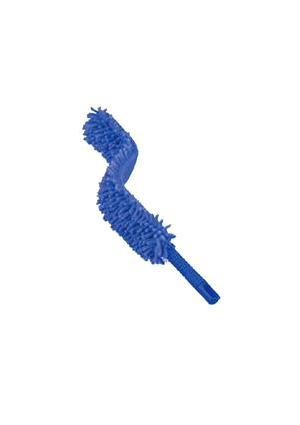 Q5 Microfiber Feather Duster with Dual Handle OptionsA microfiber duster with short and telescopic handle options, useful for ceiling fans and shelves while capturing fine dust.View Product →
For most homes, a good starting point is a microfiber feather duster with a flexible head and an extendable handle. This design reaches ceiling fans, tall shelves, and the tops of cabinets without a ladder, and the microfiber head can be removed and machine washed. Look for a fiber density of at least 200,000 fibers per square inch and a denier below 1.0. Lower denier means finer fibers and better dust capture.
Matching the Tool to the Room and Surface
One duster cannot do everything well. A telescoping duster with a large, fluffy head is perfect for ceiling fans and crown molding, but it is clumsy on a narrow window sill. Conversely, a small hand duster works beautifully on picture frames and knickknacks but cannot reach a vaulted ceiling. The solution is a small set of specialized tools rather than a single “best” product.
High surfaces and ceiling fans
Choose an extendable microfiber duster with a locking pole that reaches at least 60 inches. The head should be flexible enough to wrap around fan blades but stiff enough not to collapse under its own weight. A common failure point is the locking mechanism: if the pole twists or slips under light pressure, the tool becomes useless. Test the lock before buying, or read reviews that mention it.
Blinds and tight gaps
Blinds, shutter slats, and radiators collect dust in narrow channels. A flat microfiber duster or a dedicated shutter duster with thin, bendable fingers works best. Avoid fluffy round dusters, which push dust into the corners rather than lifting it out.
Electronics and screens
Electronics generate static, which attracts dust. Use a dry microfiber cloth or a soft anti-static duster. Never use a treated cloth or spray directly on a screen; the residue can damage anti-glare coatings. For keyboards and vents, a small brush attachment on a vacuum is more effective than any duster.
Furniture and hard goods
For wood furniture, a slightly damp microfiber cloth picks up dust without scratching. If you prefer a dry method, use a clean, dry microfiber duster and follow with a microfiber cloth. Avoid silicone-based polishes; they leave an oily film that actually attracts more dust.
Floors and baseboards
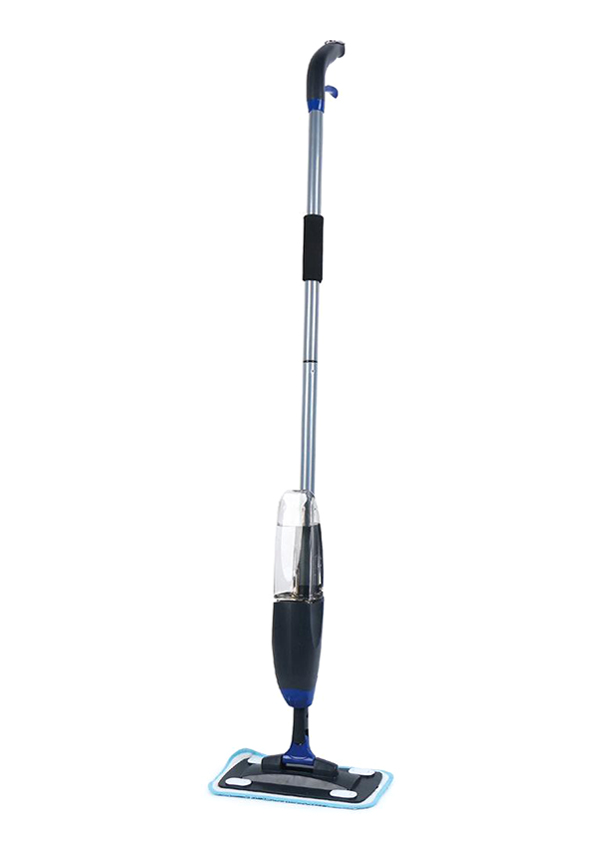
A microfiber flat mop is the fastest way to remove dust from hard floors. Unlike a broom, which pushes dust around, the microfiber pad traps it. For baseboards, use the same mop or a dedicated microfiber duster with a long handle.
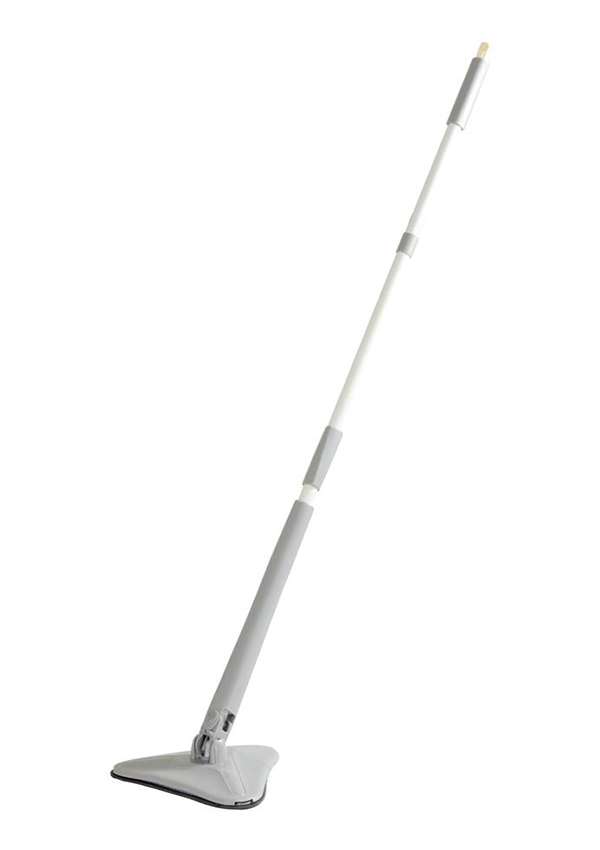
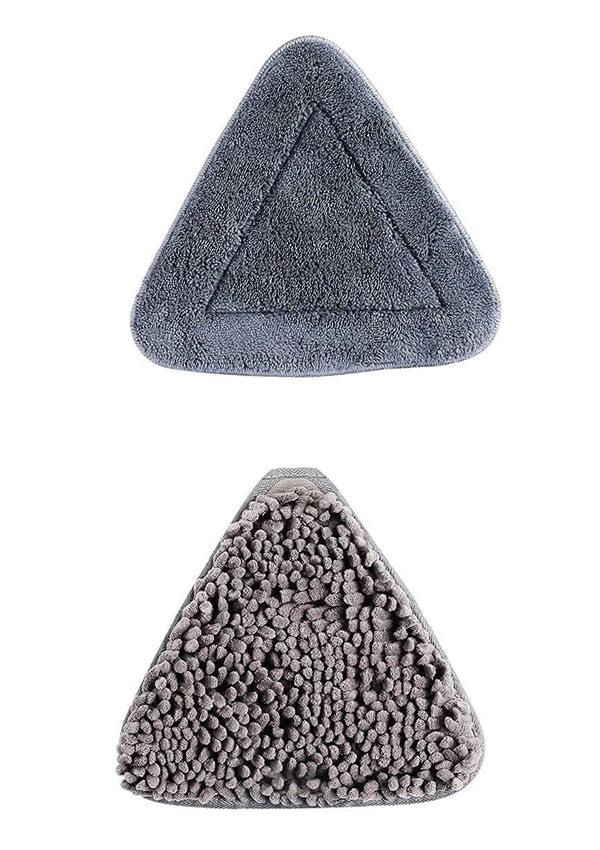 S1 Folding Magic Duster with Adjustable Triangular HeadA foldable triangular duster for corners, blinds, baseboards, and ceiling fan blades, with soft fibers that trap dust without spreading it.View Product →
For homes with a mix of surfaces, a folding magic duster offers exceptional versatility. The head folds and locks into multiple angles, so you can clean blinds, baseboards, and ceiling fan blades with one tool. The microfiber sleeve is removable and washable, which keeps the cost per use low.
What to Look for in a Dust Cleaner
Not all microfiber is created equal. The market is flooded with inexpensive dusters that shed lint, lose their electrostatic charge after a few washes, or have handles that break within months. Use the following criteria to separate a durable tool from a disposable one.
- Fiber quality: Look for a blend of 80% polyester and 20% polyamide. This ratio produces the strongest electrostatic properties. Avoid 100% polyester, which is cheaper but less effective.
- Denier: The lower the denier, the finer the fiber. For dusting, a denier between 0.1 and 1.0 is ideal. Higher denier fibers are coarser and tend to push dust rather than trap it.
- Washability: A quality microfiber duster should withstand at least 100 machine washes without losing more than 10% of its dust pick-up efficiency. Check the care label; if it says “hand wash only” or “do not wash,” the fibers may have been treated with a coating that will wear off.
- Handle and reach: For general dusting, an extendable handle that reaches 48 to 72 inches covers most rooms. The locking mechanism should be metal, not plastic, and should engage firmly. A foam grip reduces hand fatigue.
- Head design: A flexible, bendable head is useful for uneven surfaces. A flat head is better for large, flat areas. Many dusters come with interchangeable heads, which adds value.
- Cost per use: A $15 microfiber duster that lasts three years costs about $0.40 per month. A $5 disposable duster that lasts one month costs five times more. Calculate long-term cost, not just the sticker price.
One common purchasing risk is the “electrostatic” claim. Some manufacturers add a temporary chemical treatment that mimics electrostatic charge but washes out after a few uses. A genuine microfiber duster relies on the physical structure of the split fibers, not a coating. If the product description emphasizes “permanent electrostatic charge” without explaining fiber structure, be skeptical.
Common Mistakes That Keep Dust Coming Back
Even the best dust cleaner will fail if your overall cleaning strategy works against it. Here are the most common mistakes and how to correct them.
- Using oily furniture polish. Sprays and waxes leave a sticky film that traps airborne dust. Switch to a dry or slightly damp microfiber cloth. If you must use a polish, choose a water-based product and apply it sparingly.
- Over-wetting surfaces. A soaking wet cloth pushes dust into crevices and can damage wood or electronics. Microfiber works best when it is damp, not dripping.
- Washing microfiber with fabric softener. Softener coats the fibers and destroys their electrostatic charge. Wash microfiber separately with a small amount of mild detergent and no softener. Tumble dry low or air dry.
- Ignoring HVAC filters. A dirty air filter recirculates dust throughout your home. Check it monthly and replace it according to the manufacturer’s schedule. A MERV 11 to MERV 13 filter captures fine dust without restricting airflow too much for most systems.
- Using a broom on hard floors. Brooms lift dust into the air, where it settles again. A microfiber flat mop or a vacuum with a hard-floor attachment is far more effective.
- Neglecting humidity. Dust mites thrive when indoor humidity is above 50%. A dehumidifier or air conditioner can keep humidity in the 30–50% range, which reduces dust mite populations and makes dust less sticky.
A Practical Dusting Routine That Works
Consistency matters more than intensity. A 15-minute weekly routine prevents dust from building up to the point where it becomes a major project. Here is a schedule that works for most households.
Weekly
- Dust high-touch surfaces: coffee tables, side tables, TV stands, and desks. Use a microfiber duster or a slightly damp microfiber cloth.
- Wipe electronics with a dry microfiber cloth.
- Run a microfiber flat mop over hard floors in the main living areas.
Biweekly
- Dust ceiling fans, light fixtures, and the tops of door frames.
- Vacuum upholstery with a brush attachment.
- Wipe baseboards with a microfiber mop or duster.
Monthly
- Dust blinds and window sills.
- Clean air vents and returns.
- Wash microfiber dusters and mop pads according to the care label.
Seasonal
- Pull furniture away from walls and dust behind it.
- Launder curtains and washable slipcovers.
- Vacuum mattresses and flip them.
- Replace HVAC filters.
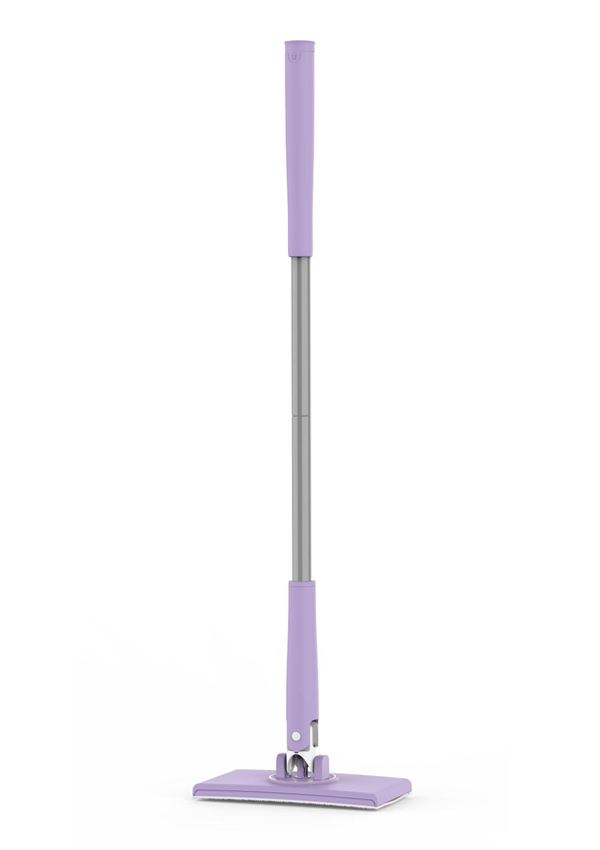
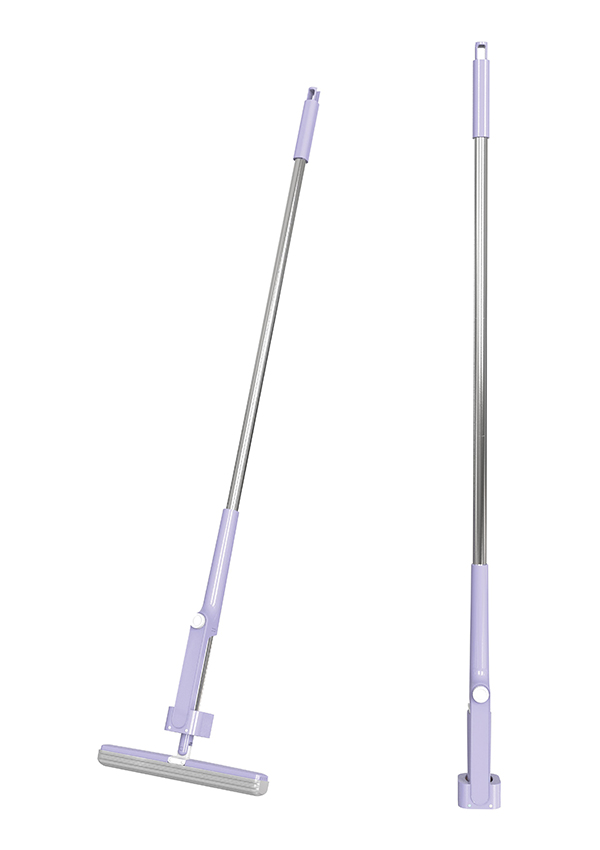
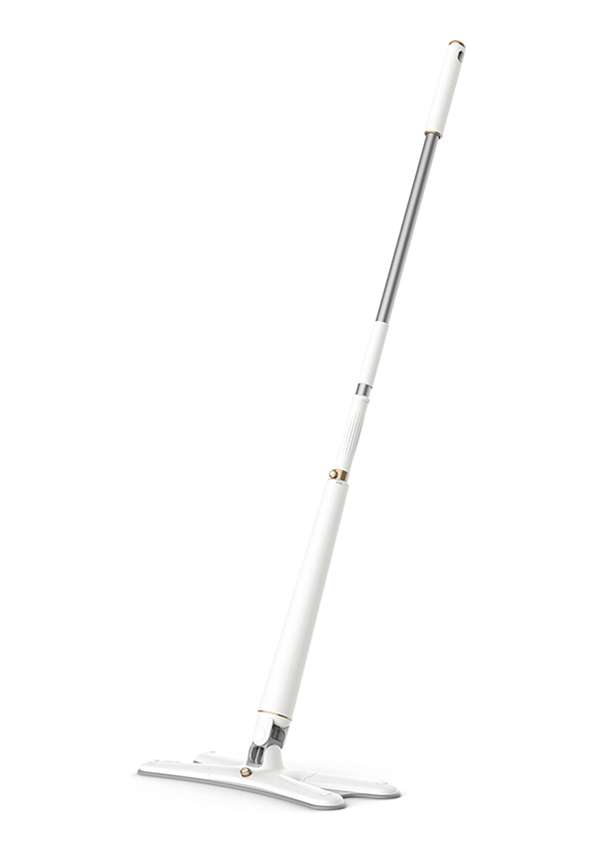
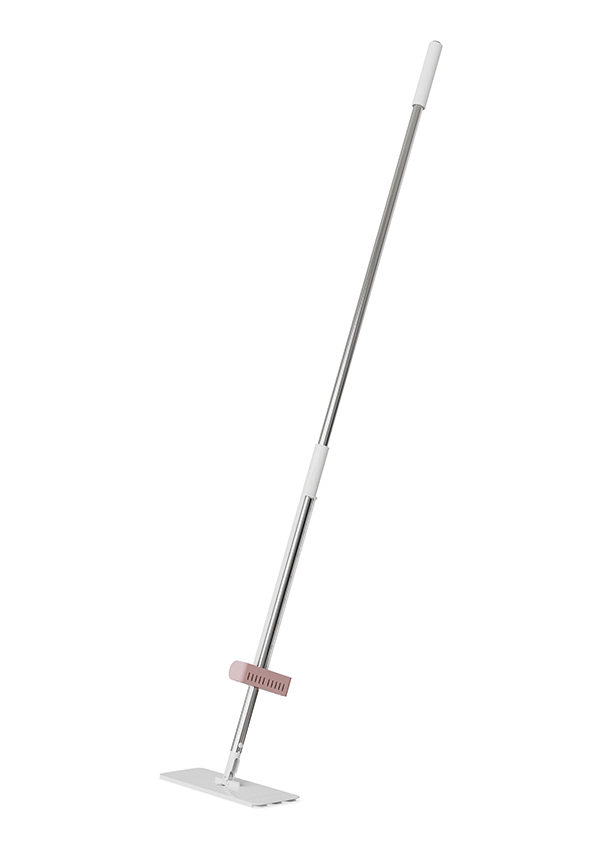
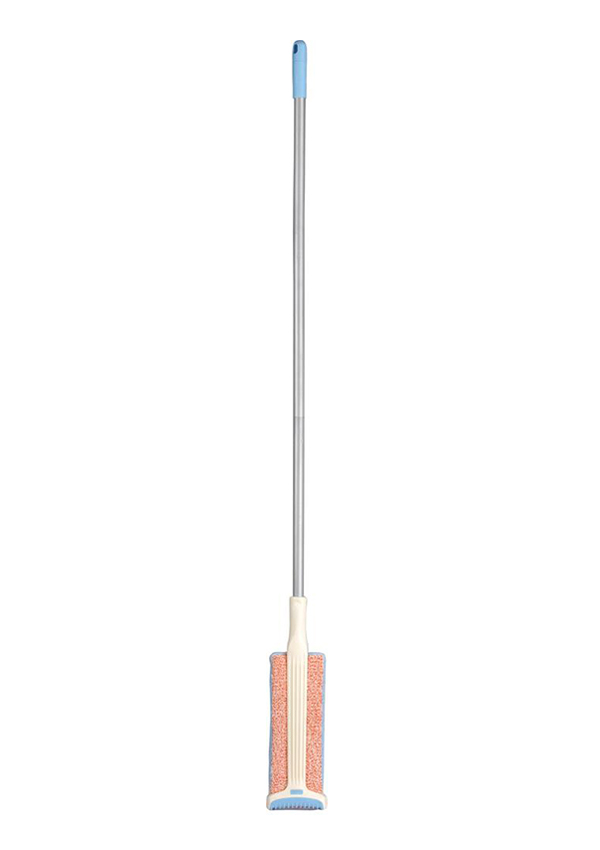
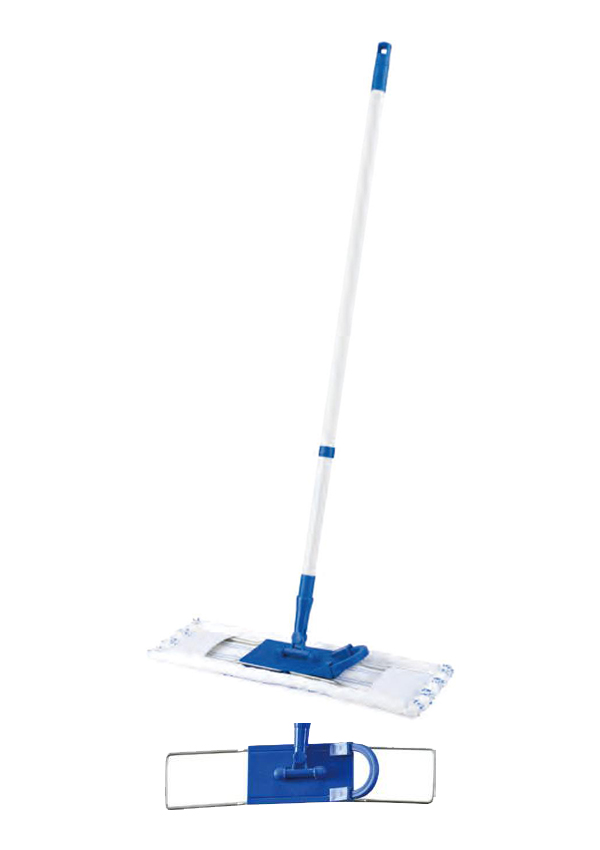 P6 Microfiber Flat Mop for Hard Floor CleaningA durable microfiber flat mop for hard floors, using standard attachable pads to clean tile, vinyl, laminate, and sealed hardwood.View Product →
A microfiber flat mop is the workhorse of this routine. It removes dust from hard floors without scattering it, and the pad can be washed and reused hundreds of times. Look for a mop with a swivel head and a sturdy handle. The pad should be at least 15 inches wide for efficient coverage.
If you want to go deeper into microfiber dusting techniques, our guide on how microfiber dusters compare to feathers, rags, and compressed air walks through the trade-offs in detail. For a broader overview of dusting tools, visit our cleaning duster category.
When to Bring in a Vacuum or Air Purifier
Surface dusting handles what you can see, but airborne dust requires a different approach. If you notice dust settling on surfaces within a day or two of cleaning, the problem is likely in the air. Three tools can help.
HEPA vacuum. A vacuum with a HEPA filter captures fine particles instead of blowing them back into the room. Use it on carpets, rugs, upholstery, and mattresses. For hard floors, switch to a hard-floor attachment or a microfiber mop.
Air purifier. A portable air purifier with a HEPA filter reduces airborne dust, pollen, and pet dander. Choose a unit sized for the room; a small purifier in a large living room will not make a noticeable difference. Look for a clean air delivery rate (CADR) that matches the room’s square footage.
Dehumidifier. Dust mites and mold thrive in humid environments. Keeping indoor humidity between 30% and 50% reduces their populations. A dehumidifier is especially useful in basements and bathrooms.
These appliances complement dust cleaners; they do not replace them. The most effective strategy combines surface dusting with airborne dust control.
Final Verdict: The Best Dust Cleaner for Most Homes
There is no single product that wins for every surface, but a small set of microfiber tools covers 90% of household dusting needs. Start with an extendable microfiber duster for high surfaces and ceiling fans. Add a folding magic duster for blinds, baseboards, and tight angles. Round out the kit with a microfiber flat mop for floors and a pack of microfiber cloths for furniture and electronics.
If you have allergies or sensitive skin, choose certified microfiber and wash it regularly without fabric softener. If you have pets, add a HEPA vacuum and an air purifier to your routine. And if you are unsure which specific tool fits your home, examine the surfaces you dust most often, then match the tool’s reach, fiber quality, and head shape to that task.
With the right microfiber tools and a consistent routine, you can cut surface dust significantly and keep it from returning as quickly. That is a more realistic goal than eliminating dust entirely—and it is the standard by which any dust cleaner should be judged.