You vacuum the living room on Saturday morning. By Sunday evening the television screen carries the same thin gray film you thought you had removed. The bedroom dresser, the ceiling fan blades, the top of the door frame, even the baseboard near the floor vent all seem to collect dust within hours. After weeks of this, the ductwork behind your walls starts to look like the obvious culprit. The logic is easy to follow: the furnace pushes air through those ducts all winter and all summer, so whatever dust sits inside them must be blowing into your rooms. And if the ducts are dirty, cleaning them should fix the problem. But the connection between dirty air ducts and a dusty house is not as direct as it appears, and paying for a service that does not address the real source of the dust is easy to avoid once you understand how the system actually works.
The Short Answer on Duct Cleaning and Dust
Does air duct cleaning help with dust? Yes, but only when the duct system itself is introducing dust into your living space. A properly performed cleaning removes accumulated material from the interior surfaces of the ducts, the air handler, the evaporator coil, and the blower compartment. If those surfaces are heavily contaminated, the cleaning will reduce the amount of debris being delivered through the supply registers into your rooms. Homeowners who see the biggest improvement are the ones with visible dust buildup, recent renovation debris, pet hair and dander inside the duct runs, or ducts that pull unfiltered air through leaks in the attic or crawlspace.
If your ducts are already reasonably clean, duct cleaning will not make a meaningful difference in the dust you see on your furniture. Most household dust has nothing to do with the duct system. It comes from skin cells, pet dander, fabric fibers, tracked-in soil, and outdoor particulates that enter through windows and door gaps. No cleaning service can remove those sources.
The U.S. Environmental Protection Agency has not found conclusive evidence that duct cleaning reduces particle levels in homes or prevents health problems. That statement is frequently used to argue that duct cleaning is a scam, but the EPA's point is more measured: the outcome depends on the degree of contamination, the method used, and the care of the technician. The agency also warns that an inadequate vacuum collection system can release more dust, dirt, and other contaminants into the home than if the ducts had been left untouched. So the right answer is not "always" or "never." It is "under the right conditions, and only when done properly."
Why Your House Generates So Much Dust
Dust is not a single substance with a single source. It is a mixture of dead skin cells, pet dander, pollen, soil particles tracked in from outside, tiny fabric and carpet fibers, dust mite waste, insect fragments, soot from candles and cooking, and in some cases fine particulate matter from outdoor air pollution. The average home collects roughly forty pounds of dust per year, although the actual volume varies widely depending on family size, pets, carpeting, age of the home, and local climate.
The Dust Cycle Inside the Home
Every time people move through a room, their footsteps and body movements create small air currents. Those currents lift fine particles from floors, upholstery, and shelves into the air. Some of that airborne dust settles back onto surfaces where you can see it. Some of it is pulled toward the HVAC return grille and carried into the duct system. Some settles on the inner walls of the ductwork itself. When the blower cycles on, conditioned air is pushed back out through the supply registers, and the moving air stirs more particles into the rooms. This is the cycle that makes dust feel relentless.
This is also the logic behind duct cleaning. If a thick layer of dust lines the inside of your supply ducts, every blower run can disturb that layer and push a portion out through the nearest register. The dust does not stay glued to the metal. Air moving at high velocity, combined with changing temperatures and humidity, gradually loosens particles and carries them into the living space. That is why some homeowners notice a circular gray stain around their floor registers, or why surfaces near supply vents collect dust faster than surfaces on the other side of the room.
How Ducts Become Contaminated
Ducts collect particulate material through several pathways. The most common is the return-air side. If your HVAC system has a filter in the central return grille, it captures some particles before air enters the system. But filter bypass is extremely common: air leaks around the filter when it is not seated properly, when the filter rack is damaged, or when the filter is the wrong size. Even a properly installed filter does not catch everything. A standard one-inch fiberglass filter has a low MERV rating and is designed mainly to protect the equipment, not to clean the air.
Supply registers provide another entry point. Dust settles on the floor or furniture near a supply vent, and when the blower starts, the rush of air lifts some of that dust and pulls it backward into the duct through gaps around the register. In older homes, supply ducts often have sloppy connections, unsealed joints, or holes where air can escape or enter. If the ducts run through an attic with loose fiberglass insulation, through a crawlspace with exposed dirt, or alongside a basement where dust accumulates, every point of leakage is a potential entry point for contamination. Over time, the combination of normal dust, pet dander, and insulation fibers builds up into the layer that eventually catches your attention.
What Professional Air Duct Cleaning Actually Does
Professional duct cleaning is not the same as running a vacuum hose into a floor vent. The National Air Duct Cleaners Association describes the process as a combination of agitation, vacuum collection, and source removal. The technician inserts mechanical brushes, air whips, or compressed-air tools into the ductwork to break the bond between dust and the interior surface. At the same time, a high-powered vacuum system connected to the furnace air handler, or to a separate access point in the main trunk line, maintains negative pressure. The goal is to pull dislodged debris out of the duct system before the blower can distribute it into the rooms.
A thorough cleaning covers the supply ducts, return ducts, main trunk lines, the plenum, the air handler cabinet, the evaporator coil, the blower compartment, and all registers and grilles. The technician should also inspect for mold growth, moisture damage, and signs of rodent or insect activity. If the evaporator coil is dirty, it should be cleaned with an appropriate coil cleaner, because a dirty coil reduces airflow and can act as a reservoir for dust and biological growth.
The Difference Between Cleaning and Sweeping
There is a wide gap between companies that follow accepted methods and companies that run a brush through one supply run in twenty minutes. A legitimate cleaning involves accessing multiple points in the system, agitating the dust loose, and capturing it in a sealed collection unit. Some low-budget services simply blow compressed air from a single access point, which pushes dust deeper into the system rather than removing it. The EPA explicitly warns that an inadequate vacuum collection system can release more dust, dirt, and other contaminants into your home than if you had left the ducts alone. If the vacuum is undersized or the technician does not seal the access points, the cleaning itself can make your dust problem noticeably worse for days.
When Duct Cleaning Genuinely Reduces Household Dust
If you are weighing the cost of duct cleaning, the decision should be based on evidence inside your own system, not on the claims of a sales technician who shows up at your door. Several situations are known to produce a visible reduction in household dust after duct cleaning.
Heavy Dust and Debris Inside the Ducts
If you can see dark dust caked around the edges of the supply registers, or if a flashlight reveals a thick layer several millimeters deep inside the duct, that material will eventually find its way into your rooms. The same applies to an air handler compartment lined with dust or a return grille so clogged that airflow is visibly reduced. Removing the accumulation cuts down on the debris being delivered through the vents. In this scenario, duct cleaning is not a luxury; it is a logical maintenance step.
After Renovation or Construction
Drywall dust, joint compound, sawdust, and fine abrasive particles from sanding are among the most common causes of duct contamination. If you had walls sanded, floors refinished, or new drywall installed while the HVAC system was running, fine dust almost certainly entered the ductwork. Even if you covered registers with plastic, the return side of the system pulls dust from the work area into the ducts. A professional cleaning after a renovation is generally more effective than trying to vacuum out each vent yourself with a shop machine, because the debris is distributed throughout the duct network, not just at the visible openings.
A New-to-You House with an Unknown Maintenance History
When you buy a home, you have no way of knowing how often the previous owner changed the filter, whether they lived with heavy pet dander, or whether the ducts were ever opened during a remodel. A visual inspection of the air handler and the first few feet of accessible ductwork will tell you quickly whether you are dealing with years of accumulation. Most home inspectors do not look inside ductwork during a standard inspection. If the system looks well-maintained, a cleaning is not required simply because the house is new to you. If the ducts show heavy buildup, a one-time cleaning before you move in is a reasonable investment.
Leaky Ducts Pulling Dust from Unconditioned Spaces
This hidden cause deserves special attention. When the blower runs, it creates pressure differences inside the duct system. Leaks on the return side or the supply side allow air from unconditioned spaces to be pulled into the airflow. If your ducts run through an attic with exposed fiberglass insulation or a crawlspace with exposed dirt, every unsealed joint becomes a route for insulation fibers and soil dust to enter the air you breathe. Duct cleaning alone will remove the material that is already there, but unless the leaks are sealed, the contamination will return. In this situation, the correct sequence is to clean the ducts and then seal all accessible joints with mastic or aluminum tape.
Homes with Heavy Dander and Pet Hair
Homes with multiple cats or dogs generate far more dander and hair than a typical HVAC filter can capture. Over time, pet hair accumulates on the interior surfaces of supply ducts, and each heating or cooling cycle can distribute it further. Pet hair is usually visible around the return grille and inside the duct near the air handler. Removing this material can reduce the amount of dust and allergen particles that end up on floors and furniture, and many homeowners report that their living space feels cleaner after the ducts are cleared.
When Duct Cleaning Will Not Solve a Dust Problem
There is a widespread assumption that if a house feels dusty, the ducts must be dirty. In reality, most household dust is generated continuously by the occupants themselves. Understanding what duct cleaning cannot do will prevent you from spending several hundred dollars and feeling disappointed a week later.
Ordinary Daily Dust Generation
People and pets produce dust constantly. Skin flakes, pet dander, fabric lint, food crumbs, and soil tracked in on shoes are the primary components of most household dust. No amount of duct cleaning will stop these sources. Even in a house with brand-new ductwork, dust accumulates because the occupants are present. The EPA's conclusion that cleaning has not been shown to prevent health problems reflects this reality: the human body and its environment generate particles faster than any duct cleaning service can remove them from the air.
Filtration That Is Not Doing Its Job
If your HVAC filter has a low MERV rating, if it is past its useful life, or if it does not seal tightly in its frame, it is doing very little to remove particles from circulating air. A dirty filter that is never changed becomes less effective over time and can even become a source of contamination itself. Cleaning the ducts in a home with a neglected filter is like mopping a floor while a pipe above it keeps dripping. Until you install a filter with a MERV rating between 8 and 13, replace it every one to three months, and seal any gaps around the filter rack, dust will keep circulating no matter how clean the ducts are.
Duct Leaks That Have Not Been Sealed
As described earlier, leaks in the duct system can draw dust directly from attics, crawlspaces, or floor cavities into the airflow. A duct cleaning removes the material inside the system on the day of service, but the next blower cycle can pull in more from the same leak. The durable fix is duct sealing, which is a separate service. Some companies offer both, but you need to confirm that the technician is qualified to identify and seal leaks, and that the sealing is done with mastic or foil tape rather than standard duct tape, which dries out and fails quickly.
High Outdoor Particulate Levels
If you live near a busy road, in an area with frequent dry windy periods, or in a city with poor air quality, outdoor particles will enter through open windows, door gaps, and the ventilation system. In these conditions, duct cleaning is not a long-term solution. A more effective approach is to keep windows closed during high-pollution hours, use quality doormats to reduce tracked-in soil, and run the HVAC fan so that the filter can capture particles before they settle onto surfaces.
The Dust-Control Hierarchy That Actually Works
Because most people want a way to live with less dust, not just a one-time service, it helps to think about dust control in layers. Each layer addresses a different part of the cycle, and the combination is far more effective than any single service on its own.
Layer One: Fix the HVAC System First
The HVAC system is the engine of indoor air movement. Begin by confirming that the filter is the correct size and properly seated. A pleated filter with a MERV rating of 8 to 13 captures far more particles than a fiberglass filter, provided it is changed on schedule. Next, have the duct system inspected for leaks, especially in unconditioned spaces. Sealing joints with mastic or foil tape prevents dust from being pulled in from outside the living space and also improves system efficiency. Finally, make sure the blower compartment and evaporator coil are clean, since these areas collect dust quickly and can restrict airflow.
Layer Two: Choose the Right Surface Cleaning Tools
The way you remove dust from surfaces matters more than how often you do it. A dry cotton cloth pushes particles into the air, and a feather duster without an electrostatic coating does the same. Microfiber tools, by contrast, use split synthetic fibers that create a static charge and trap particles mechanically instead of scattering them. The same basic technology appears in high-quality surface wipes, dusters, and flat mops, and it is the reason many professional cleaning teams have switched entirely to microfiber.
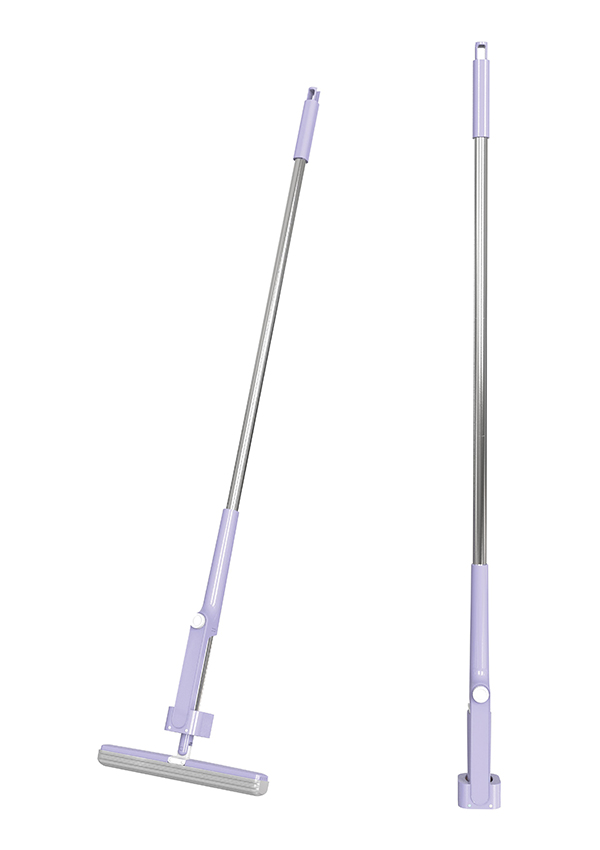
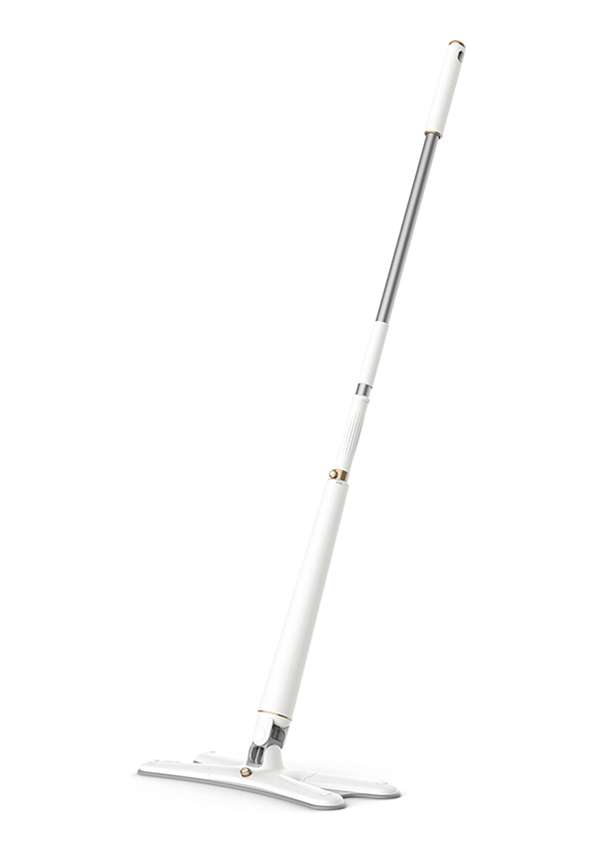
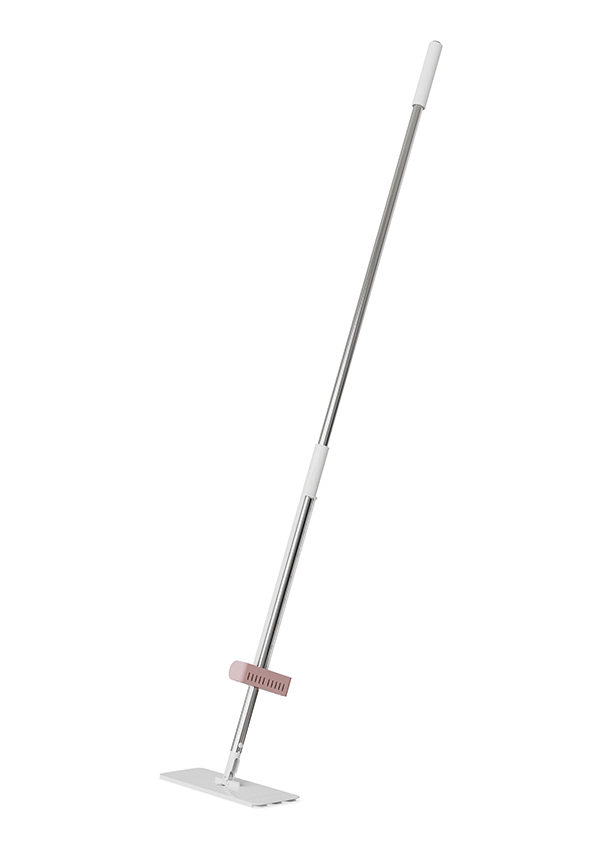
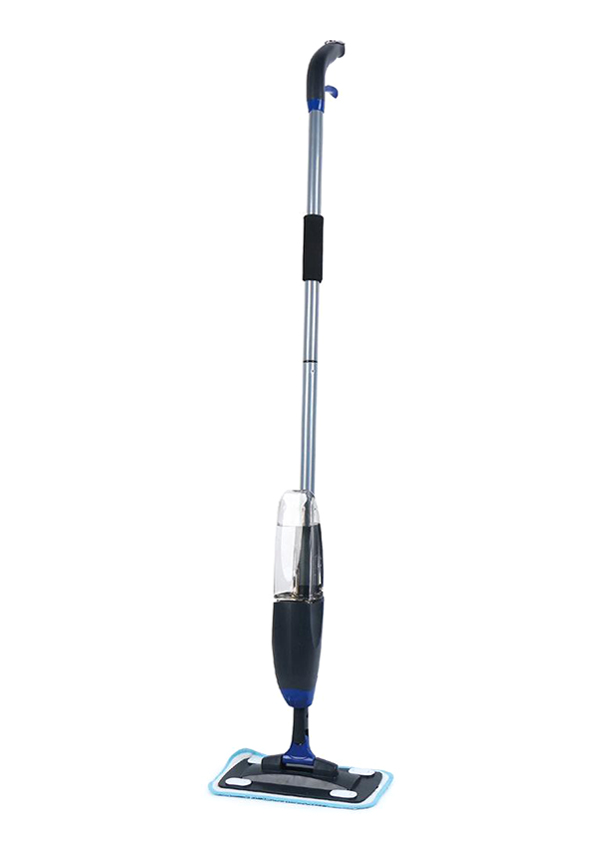
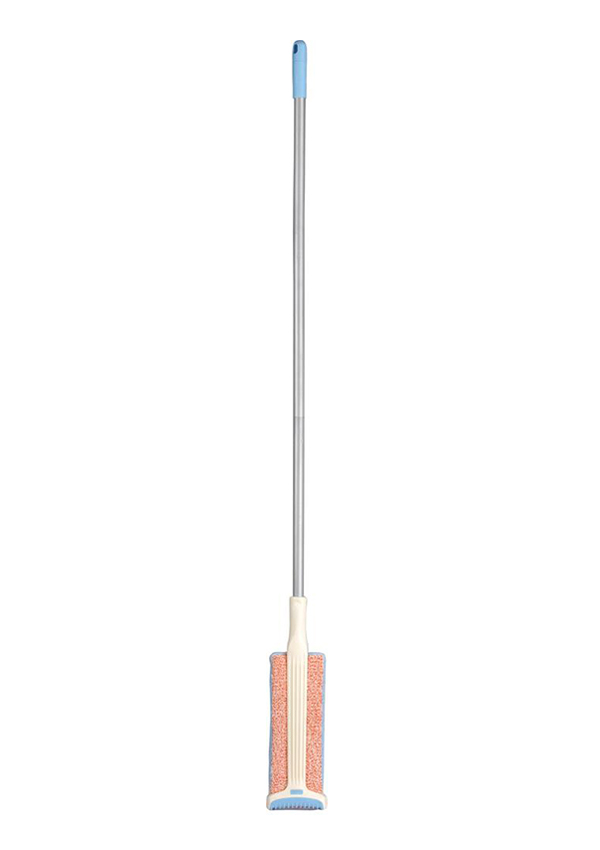
For hard floors, a microfiber flat mop lifts dust and debris without throwing it sideways the way a broom does. This is especially important near supply vents, where a cloud of swept dust can be drawn backward into the ductwork. For shelves, blinds, baseboards, and other flat surfaces, a soft microfiber duster or an electrostatic duster with a telescoping handle pulls the layer off without raising it into the breathing zone. For wiping down counters and furniture, a damp microfiber cloth captures particles and holds them in the fabric until the cloth is washed. If you want to see how these tools are built and what a practical home kit contains, the cleaning tool catalog on this site is a good starting point.
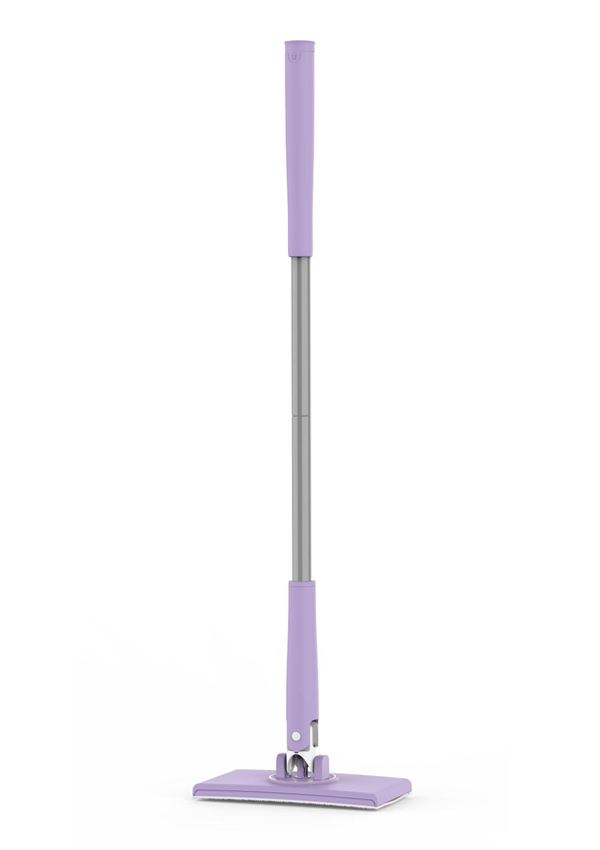
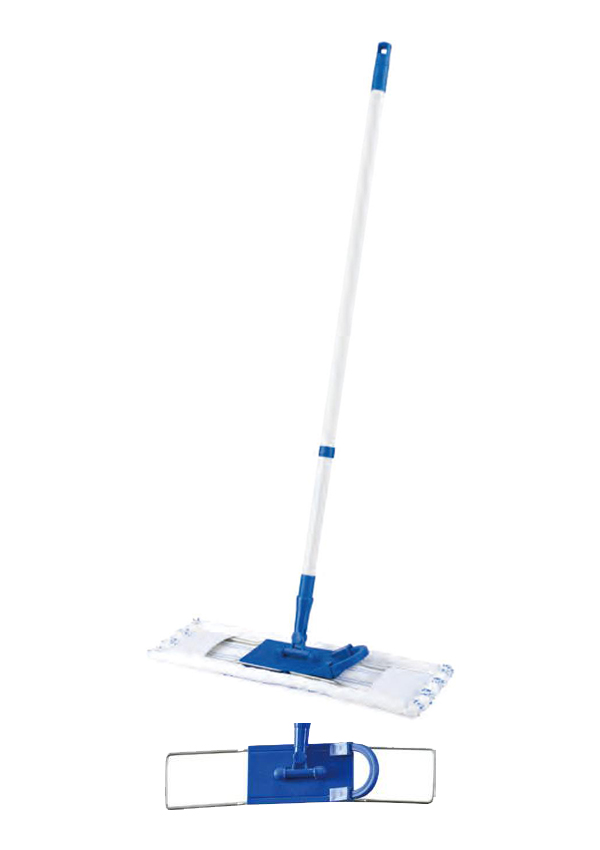 P6 Microfiber Flat Mop for Hard FloorsThis classic flat mop uses a simple clip system to hold standard pads, offering durable, streak-free cleaning on sealed hardwood, tile, and laminate—ideal for dust control near vents.View Product →
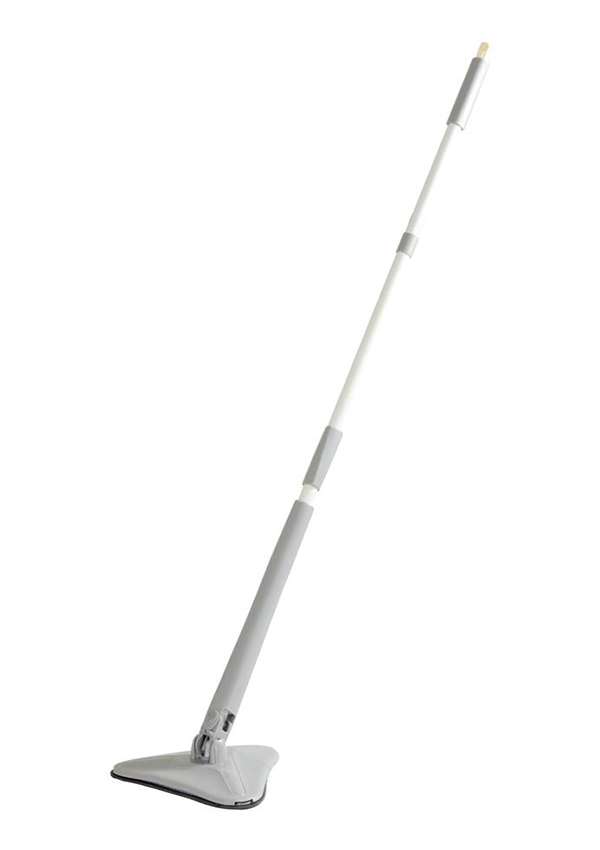
When it comes to dusting surfaces that collect a visible film between cleanings, the choice of tool makes a measurable difference. A duster with a replaceable head traps dust in the fibers rather than pushing it into the air, and reusable heads can be washed and dried, which means the tool does not generate ongoing waste. If you are comparing reusable options against disposable cleaning sheets, a closer look at how duster refills perform will help you decide which system fits your routine.
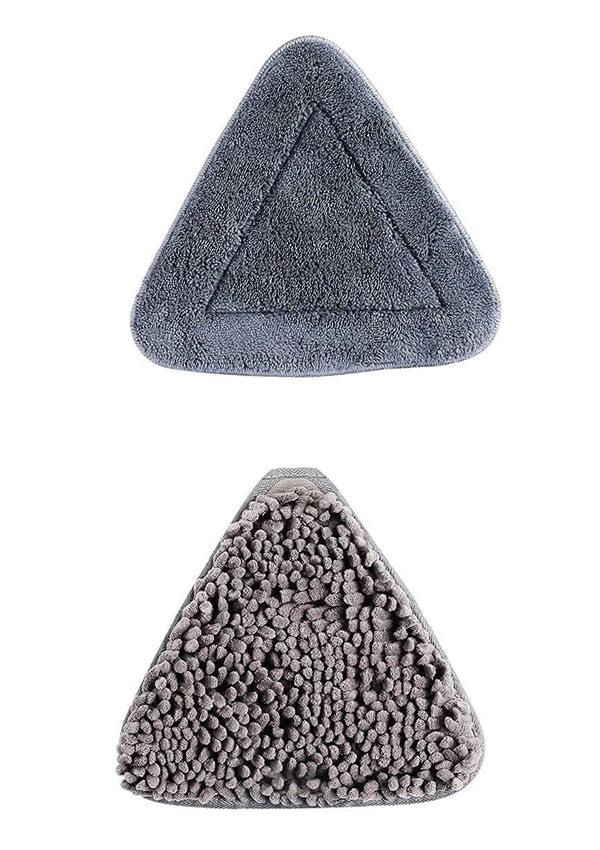 S1 Folding Magic Duster with Adjustable HeadIts foldable triangular head reaches corners and narrow spaces while soft fibers trap dust without scattering, making it a practical choice for blinds, electronics, and car interiors.View Product →
For the final wipe-down step, a microfiber cloth with a visible grid pattern creates thousands of tiny pockets that hold dust until you rinse the cloth under a faucet. Cloths that remain damp during use also help capture fine particles, and because microfiber does not depend on chemical polish, it is safe for wood, glass, stainless steel, and painted drywall. Many households find that one damp microfiber cloth over a set of surfaces removes more dust than a spray cleaner and a paper towel.
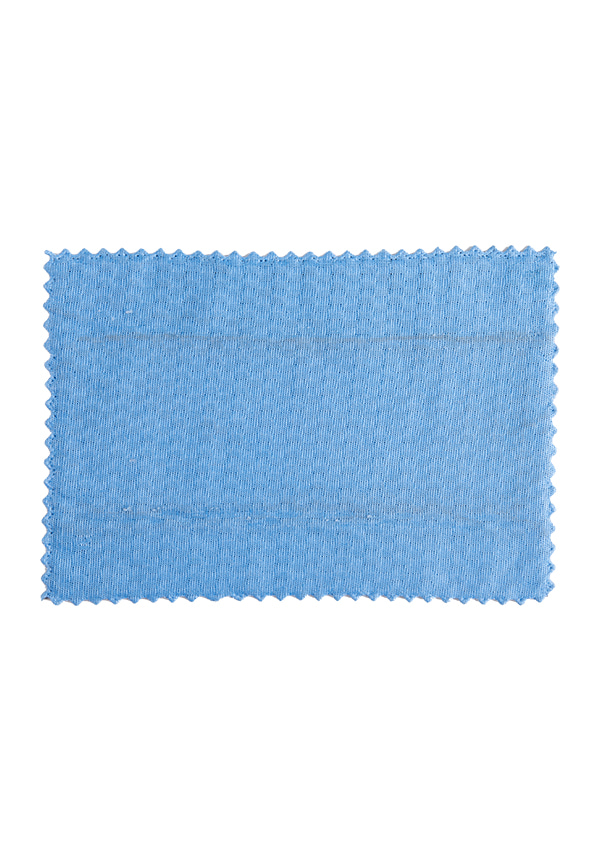 Microfiber All-Purpose Cleaning ClothFeaturing ultra-fine fibers that absorb up to seven times their weight in water, this reusable cloth captures fine dust without chemicals, suitable for wood, glass, and stainless steel.View Product →
Layer Three: Adjust Daily Habits
Habits have an outsized effect on dust levels. Taking shoes off at the door keeps soil and airborne particles from being tracked through the house. A good doormat catches a large share of outdoor debris before it reaches hard floors. Vacuuming carpets with a HEPA-filtered vacuum every week removes dust that would otherwise be released by walking across the floor. Washing bedding weekly in hot water reduces dust mite populations. Brushing pets outside removes loose hair and dander before it drifts into the air. Keeping indoor humidity in the 30 to 50 percent range reduces dust mite survival and helps heavier particles settle instead of floating.
Layer Four: Consider Air Purification
A standalone air purifier with a true HEPA filter can capture airborne particles in the room where it operates. It is most useful in bedrooms and living areas where people spend long hours, and it works best when the unit is sized correctly for the room volume. An air purifier complements, rather than replaces, surface cleaning and HVAC filtration. In a home with pets or high outdoor particulate levels, a combination of a good HVAC filter, a room air purifier, and routine surface cleaning will do more for your dust problem than any duct cleaning alone.
Comparing Duct Cleaning with Other Dust-Reduction Strategies
To put duct cleaning in perspective, it helps to compare it side by side with the other tools and services available. The following table summarizes what each approach does, where it works, and what its main limitations are.
Comparison of common dust-reduction approaches used in residential settings.
| Method |
What It Does |
Best For |
Main Limitations |
| Air duct cleaning |
Removes accumulated dust, debris, and biological material from ducts and the air handler using agitation and high-powered vacuum collection. |
Homes with visible duct debris, renovation dust, pet hair, or contaminated systems. |
Does not stop ongoing dust generation; may release particles if done with weak equipment or poor technique. |
| Duct sealing |
Closes leaks in the duct system so unfiltered air from attics, crawlspaces, and wall cavities cannot enter the airflow. |
Homes with leaks that pull dust from unconditioned spaces. |
Requires a separate service and access to the duct runs; does not remove dust already inside the system. |
| Upgraded HVAC filtration |
Captures particles in recirculated air before they reach rooms, using a pleated filter with a higher MERV rating. |
Homes with normal dust generation and continuous blower operation. |
Filter must be changed every one to three months; does not remove dust that has already settled indoors. |
| HEPA vacuuming |
Removes dust and allergens from carpets, upholstery, and hard floors with a sealed vacuum that traps particles in a HEPA filter. |
Carpeted rooms, pet households, and weekly maintenance. |
Labor-intensive; does not clean inside the HVAC system. |
| Microfiber dusting and mopping |
Captures dust on surfaces using electrostatically charged split fibers, preventing particles from becoming airborne. |
Daily and weekly dusting of hard surfaces, shelves, blinds, and floors. |
Does not address HVAC-generated dust or airborne particles. |
| Standalone HEPA air purifier |
Pulls room air through a HEPA filter and captures fine particulates, including dust, pollen, and smoke. |
Bedrooms, living areas, and rooms where airborne dust is noticeable. |
Only treats the room it is in; filters must be replaced regularly. |
Notice that duct cleaning occupies one narrow slice of this picture. It is the only method that physically removes contamination from inside the HVAC system, which makes it necessary in specific conditions. But it is not the most direct or economical way to reduce everyday dust, and it is not the first step you should take in a home with no visible duct contamination.
Cost, Frequency, and Signs That You Need Duct Cleaning
The cost of professional duct cleaning in the United States typically falls between 250 and 500 dollars for a standard single-family home, depending on the number of supply and return runs, the presence of flex duct, the accessibility of the air handler, and whether the service includes cleaning the evaporator coil and blower assembly. Some companies charge additional fees for multiple air handlers, sanitizing treatments, or duct sealing. If a quote arrives as a single low number for the whole system, read the fine print carefully. Many advertised base prices cover only a single main trunk line and a few registers.
For most homes, a reasonable frequency is every three to five years. The shorter end of that range applies to households with multiple pets, allergy sufferers, smokers, or recent renovation activity. The longer end applies to homes with simple systems, good filtration, and a consistent maintenance history. There is no evidence that annual cleaning benefits a system that does not need it, and each cleaning involves some risk if the provider uses improper methods. Homeowners who keep the filter clean and the ducts sealed rarely need more than an occasional inspection.
You should consider scheduling a professional inspection or cleaning when you see any of the following signs:
- Visible dust buildup inside the ducts that you can confirm with a flashlight.
- Debris such as drywall dust, sawdust, or rodent droppings near the air handler or registers.
- Pet hair accumulating around return grilles or inside the first section of accessible duct.
- Mold growth on the underside of a removed register cover or inside the air handler.
- Dust that returns within a day or two of thorough cleaning, especially near the floor vents.
- A musty odor when the system switches on, or a noticeable reduction in airflow from the registers.
None of these signs alone guarantees that a cleaning will eliminate your dust problem. But together they indicate that the HVAC system is contributing contamination and should be addressed before you spend money on air purifiers or expensive filters.
Choosing a Qualified Duct Cleaning Provider
Not all duct cleaning companies are equal. The difference between a careful professional and an equipment-less sales crew will show up in the condition of your home after the job. Before you book, ask what standard the company follows, whether the technicians are certified by an industry body such as NADCA, and whether the company carries liability insurance. A provider who follows a recognized standard will typically inspect the system, explain what was found, and give you a clear scope of work before starting.
Ask specifically about the equipment. A proper cleaning requires negative airflow from a high-powered vacuum connected to the system, not just a shop vacuum in the basement. Confirm that the technician will access multiple points along the duct network, not just the main trunk near the furnace. Confirm whether the process includes the air handler, the blower, and the evaporator coil. If those components are not part of the quoted price, the cleaning is incomplete from the start.
Red Flags to Avoid
Some companies use duct cleaning as a lead generator for more expensive repairs. Be cautious if a technician immediately tells you that you have dangerous mold and insists on a chemical sanitizer that costs several hundred dollars more. Mold on a metal duct surface should be tested and evaluated by a professional, not treated by a sales pitch. Be equally cautious about offers below one hundred dollars, which almost never include a complete system cleaning, and about companies that claim the job is free if you sign up for a maintenance plan. A legitimate duct cleaner should be willing to show you before-and-after photos and provide a written summary of what was removed.
The Risks If the Cleaning Is Done Wrong
The most common risk of a poorly performed cleaning is that dust is dislodged but not removed. If the collection system does not maintain sufficient negative pressure, the freed particles travel downstream and settle in bends, baffles, and the heat exchanger. The next time the blower runs, those particles enter the living space. The EPA has stated this risk directly: an inadequate vacuum collection system can release more dust, dirt, and other contaminants into the home than if the ducts had been left alone. A second risk is mechanical damage. Stiff brushes inserted into flexible duct at high speed can tear the inner liner, and a technician working from a single access point may punch holes in the duct while trying to reach a difficult bend. Damaged ducts create new entry points for dust and reduce system efficiency. Finally, over-treatment with biocides or sealants can cause indoor air quality problems that were not present before the cleaning. A professional will only apply these products when a specific contamination problem has been confirmed.
The Bottom Line on Duct Cleaning and Dust
Air duct cleaning can help with dust, but it is a targeted maintenance service rather than an all-purpose solution. It helps when dust and debris inside the duct system are actively being delivered into your rooms. It does not help when the dust comes from normal daily life, poor filtration, unsealed leaks, or outdoor air. The evidence in your own home is what should guide the decision.
Before booking any service, do a basic inspection. Remove the cover from one supply register near the air handler and look inside with a flashlight. Check the return grille and the air filter. If you see a thick layer of gray material covering the interior surfaces, pet hair, or evidence of pests, a professional cleaning is justified. If the interior looks dusty but not coated, skip the cleaning and instead upgrade your filter, seal the exposed joints you can reach, and switch to microfiber tools for surface dusting and mopping. These steps will reduce the dust you see every day and will keep future contaminant buildup to a minimum.
The practical sequence that works for most homes is simple: start with the HVAC filter and duct sealing, address the largest dust sources with routine vacuuming and microfiber surface cleaning, and reserve duct cleaning for cases where the system itself has been contaminated. If you follow that order, you will spend less money, see better results, and avoid the common trap of paying for a service that treats a symptom rather than the source.