Ask ten professional cleaners what kind of cloth is best for cleaning, and nine will give the same answer: microfiber. The tenth will tell you that the question is incomplete, because the best cloth depends on the surface, the soil, and the method. Both answers are correct. Microfiber is the most versatile cleaning textile ever made, but a single cloth cannot be the best choice for a mirror, a greasy stovetop, a dusty bookshelf, and a grimy floor at the same time. This guide explains which cloth family to choose for each job, how to judge quality before you buy, and how to make your cloths last.
If you shop for household cleaning textiles, you will quickly notice that microfiber dominates the category. That dominance is not just retail shelf economics. Microfiber outperforms natural fabrics on dust pickup, bacterial removal, and streak-free wiping, while also being more durable than an average cotton rag. But cotton dishcloths, terry towels, waffle weaves, suede cloths, and disposable non-wovens occupy the same aisle for clear reasons. Each of those materials solves a problem that microfiber handles less well. Understanding the trade-offs is the difference between buying a drawer full of cloths you rarely reach for and building a small kit that covers the whole home.
Why Microfiber Is the Default Answer
Microfiber is not a brand or a marketing buzzword. It is a fiber that measures less than one denier, meaning it is far thinner than a human hair. Most cleaning microfiber is a blend of two synthetic polymers: polyester, usually around 80 percent of the blend, and polyamide or nylon, around 20 percent. The polyester portion provides structure, abrasion resistance, and resilience. The polyamide portion is hydrophilic, meaning it attracts and holds water instead of repelling it.
The real difference appears during manufacturing. The fibers are split at the tip to create microscopic hooks and channels. When you wipe a surface, those split fibers act like tiny fingers that dig into microscopic grooves and lift dirt out rather than pushing it across the surface. At the same time, the polyamide channels pull water and grease into the cloth by capillary action, so a wet microfiber cloth can absorb several times its own weight in liquid. This combination of mechanical pickup and capillary absorption is why microfiber cleans with less detergent and less elbow grease than cotton.
There is also an electrostatic effect. The synthetic fibers generate static charge as they rub against a surface, attracting dust the way a charged balloon attracts hair. This is why a dry microfiber cloth is so effective at dusting: it grabs particles and holds them inside the weave until you rinse the cloth. Cotton, by contrast, tends to push dust across wood or plastic before it finally picks it up, which smears and re-deposits the dirt.
These three mechanisms, mechanical gripping, capillary absorption, and electrostatic attraction, are the reason microfiber outperforms natural fiber cloths on most tasks. In controlled tests, a good microfiber cloth removes up to 99 percent of surface bacteria when used with water alone, while a cotton cloth typically removes less. That statistic matters in kitchens and bathrooms, where cross-contamination is a real concern. Microfiber also leaves no lint, which is critical for glass, mirrors, and automotive paint.
But not all microfiber is created equal. A thin 150 GSM cloth from a discount store behaves very differently from a dense 350 GSM professional cloth. GSM, or grams per square meter, describes fabric density. It is the single most important specification to check when buying microfiber. Low-density microfiber is fine for light dusting and electronics but will not hold much water. High-density microfiber absorbs more, holds more, wipes more evenly, and lasts longer, although it is heavier and takes longer to dry.
If you want to understand the material in more depth, our detailed review of microfiber cleaning cloths covers laboratory comparisons, durability tests, and real-world use across different households. For most homes, a mid-weight microfiber cloth in the 250 to 350 GSM range is the best all-rounder for surfaces, counters, and general wiping. Heavier cloths are better for floors and heavy wet work.
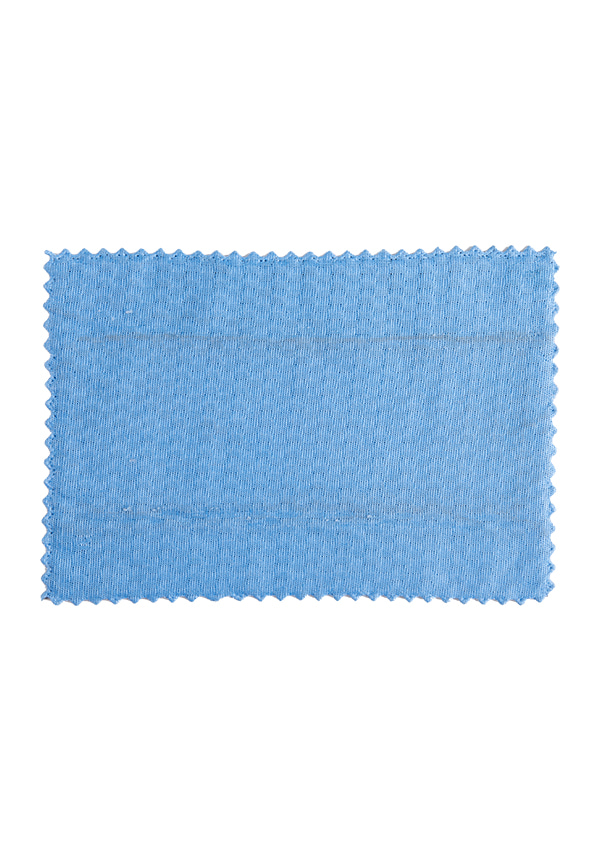 Microfiber All-Purpose Cleaning Cloth for Everyday SurfacesThis mid-weight microfiber cloth suits general wiping and surface cleaning, offering strong absorbency and a lint-free finish. Its durable design withstands repeated washings, making it a practical choice for daily household tasks.View Product →
The Main Cloth Types and How They Compare
Before matching a cloth to a task, you need to know what is on the market. Despite the dozens of brand names, the cleaning aisle contains a small number of base materials. Here is what each one does well and where it falls short.
Microfiber
Microfiber tops the list for general cleaning for the reasons just described. It works wet or dry, removes bacteria with water alone, and leaves no lint behind. The downsides are real: microfiber cannot tolerate high heat, it must be washed separately from cotton to avoid lint pickup, and it loses effectiveness permanently if you use fabric softener. Microfiber is also synthetic, so it will never be fully biodegradable.
Cotton and Cotton Blends
Cotton is the most common cleaning cloth material in the world. It absorbs water well, is naturally soft, and can be boiled, bleached, or ironed without damage. What cotton cannot do is trap microscopic dirt. Its fibers are round and smooth, so a cotton cloth pushes grease and dust around the surface as often as it lifts them. Cotton also sheds lint, which makes it a poor choice for glass and electronics.
Still, cotton excels in the kitchen. A cotton dishcloth can soak up spills, handle hot pot handles, and survive aggressive laundering. Many professional kitchens use cotton bar towels because they are cheap, durable, and easy to sanitize. For heavy grease, cotton can actually outperform microfiber in absorbency per gram, because cotton fibers swell when wet and create a large internal surface area. The trade-off is that cotton stays wet longer and can grow bacteria if not dried properly.
Terry Cloth
Terry cloth is a cotton fabric with looped pile on one or both sides. The loops create a thick, padded surface that absorbs a great deal of water. This is the classic towel material for a reason. For cleaning, terry cloth works well for wiping bathroom tiles, drying surfaces after washing, and cleaning up large spills. Its main weakness is the same as all cotton: it smears fine dust and leaves lint. Terry cloth is also bulky and dries slowly between uses, which makes it less hygienic for multipurpose cleaning.
Waffle Weave
Waffle weave, sometimes called honeycomb weave, is a fabric structure rather than a material. The raised squares and recessed channels create air pockets that speed drying and trap dirt in the recesses. Most waffle cleaning cloths are made of cotton, while microfiber waffle weaves are excellent for glass because they combine lint-free synthetic fibers with the geometric texture.
If you clean windows or mirrors regularly, a waffle weave cloth is the best tool for the final polish pass. It leaves no streaks and no lint, and it absorbs the last thin film of cleaner without smearing. The trade-off is that waffle weave does not have the electrostatic dust-attracting power of plush microfiber.
Microsuede and Synthetic Chamois
Microsuede is a napped microfiber fabric with a soft, velvety texture. It is designed not to scratch, which makes it ideal for polished metals, painted surfaces, and display cases. Synthetic chamois, sometimes called a shammy, is a flat rubbery sheet of PVA or cellulose that absorbs huge amounts of water but cannot trap dust. Chamois is made for drying cars after a wash or absorbing flooded floors, not for everyday counter wiping.
Non-Woven Disposables
Non-woven cloths, including paper towels, disposable shop towels, and wet wipes, are made by bonding fibers without weaving or knitting. They offer one major advantage: hygiene experts recommend using a fresh disposable cloth in bathrooms and around raw food to eliminate cross-contamination between zones. The disadvantages are ongoing cost and waste. A household that uses five paper towels a day can spend $40 to $80 per year and send several kilograms of cellulose to landfill.
Comparison of the most common cleaning cloth materials
| Cloth Type |
Best For |
Main Weaknesses |
Typical Lifespan |
| Microfiber, standard plush |
Surfaces, dusting, floors, general cleaning |
Cannot take high heat; avoid fabric softener |
300+ washes |
| Microfiber, waffle weave |
Glass, mirrors, stainless steel, final polish |
Less absorbent than plush microfiber |
300+ washes |
| Cotton dishcloth |
Kitchen spills, hot surfaces, heavy grease |
Sheds lint; smears fine dust; slow drying |
100-200 washes |
| Terry cloth |
Bathrooms, large spills, drying and buffing |
Bulky; dries slowly; leaves lint |
100-150 washes |
| Waffle weave cotton |
Windows, mirrors, streak-free finishing |
Poor dust pickup; lower absorbency per sheet |
150-300 washes |
| Microsuede |
Delicate surfaces, polished metal, screens |
Can stain; weak on wet sticky soils |
200+ washes |
| Non-woven disposable |
Toilets, raw food areas, one-time heavy messes |
Recurring cost; waste; limited scrubbing power |
Single use |
This table is a starting point, not a fixed rule. The right cloth for a task also depends on how much abrasion you need. Scrubbing a burnt pan requires a coarse cotton or a scrubbing-backed microfiber blend. Polishing a mirror requires the softest, most lint-free weave available. Do not expect one cloth to do both well.
Best Cloth for Each Cleaning Task
With the material categories in mind, the practical question is what to use for each job. Here is a room-by-room breakdown based on how cleaning really happens in homes and commercial spaces.
Glass, Mirrors, and Windows
For streak-free glass, you need a cloth that leaves no lint and does not re-deposit grease. A waffle weave microfiber cloth is the industry favorite for the final pass. Spray the glass with a mild cleaning solution, remove the bulk of the liquid with a squeegee or a damp cloth, then finish with a dry waffle cloth. The channels in the weave absorb the residual film evenly, which prevents streaks. Plain cotton and terry cloth should not be used on glass because they leave fibers and thin smears.
If you use a squeegee, wipe the blade dry with a microfiber cloth between passes. This single habit makes window cleaning much faster, because a wet blade leaves a trail of water that dries into visible marks. The same technique works on shower doors: after rinsing, pull the water off with a squeegee and buff the glass with a waffle cloth.
Kitchen Counters and Stovetops
The kitchen is the most demanding cleaning area in the house because a cloth is exposed to grease, heat, acid, and bacteria, often in the same session. Professional cleaners use a two-cloth method: one damp cloth with a little detergent to remove soil, and a second dry cloth to buff and dry the surface.
Microfiber handles kitchen grease well because split fibers physically lift oil from the surface without needing chemical degreasers. For everyday counter wiping, a standard microfiber kitchen cloth is the best balance of absorbency and rinsing ease. For heavy grease, such as a splattered stainless steel pan or a neglected stovetop, choose a denser microfiber cloth at 350 GSM or higher. The extra density provides more capillary channels to pull grease into the fabric. You can also soak the cloth in hot water and wring it before wiping; the heat helps melt the grease. When grease has polymerized into a brown film, no cloth alone will remove it, so use a degreaser or a scrubbing brush first and let the cloth finish the surface.
Cotton has its place in the kitchen too. A cotton bar towel is ideal for surfaces that cannot tolerate synthetics, such as very hot metal, and it absorbs water faster than most microfiber cloths, making it useful for drying counters after washing. Keep one or two cotton dishcloths near the sink and reserve microfiber for grease and dust tasks.
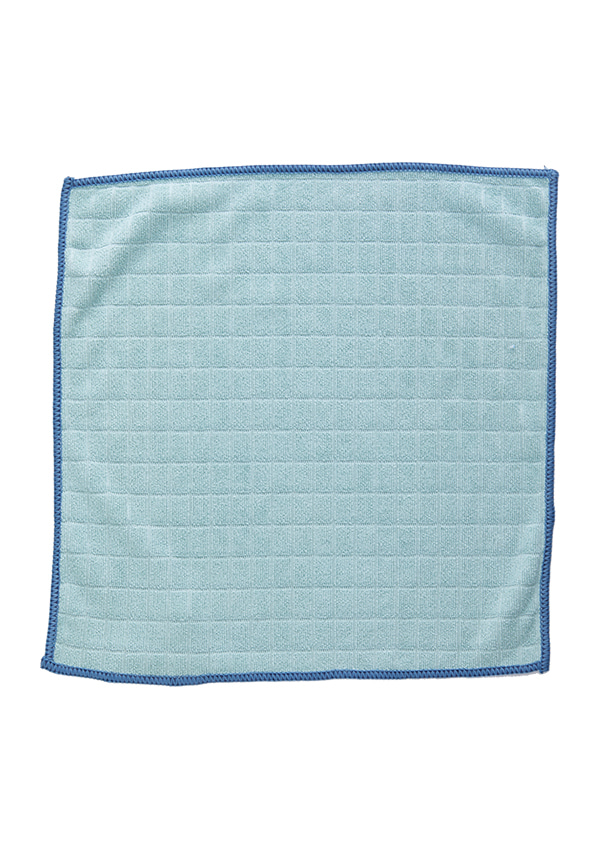 Microfiber Kitchen Cloth for Grease and Delicate SurfacesIdeal for kitchen use, this microfiber cloth handles grease and dust without scratching. Since bathroom cloths require separate handling, keeping this one reserved for food areas helps maintain hygienic cleaning routines.View Product →
Bathrooms and Toilets
Bathrooms present a hygiene problem that cloth material alone cannot solve. You should not clean a toilet with the same cloth used on the sink, even if you rinse it thoroughly. The safest practice is to reserve separate cloths for different zones, or use disposable non-woven cloths for the toilet and reusable microfiber for everything else in the room.
Microfiber is the best reusable option for bathroom walls, tiles, countertops, and shower enclosures because it picks up soap scum and hard water residue without leaving lint. It is especially effective on shower doors and chrome fixtures. For the toilet exterior and the floor around it, use a dedicated microfiber cloth that is washed with disinfectant at 60°C or higher. If you are doubtful about how a cloth has been handled, switch to a fresh one.
Avoid terry cotton in the bathroom when you want quick drying and streak-free results. Terry fabric holds a lot of water but dries slowly and can harbor bacteria if left damp after use. Microfiber dries much faster and can be washed at high temperature without damage.
Dusting and Electronics
Dry microfiber is unmatched for dusting. Use a cloth with a slightly looser weave, around 250 GSM, so the fibers can catch and hold dust. Do not spray furniture polish directly onto the cloth if you can avoid it; a barely damp microfiber cloth lifts more dust than a dry one and leaves no residue. For bookshelves, blinds, and collectibles, a feather-style microfiber duster is more convenient than a flat cloth because it reaches into gaps and wraps around irregular objects.
For electronics, use an extremely soft, lint-free microfiber cloth, the same category sold as a screen cleaning cloth. Do not use cotton, paper towels, or terry on a screen because they either shed fibers or abrade the coating. Microfiber with a satin or knit structure is soft enough for anti-glare coatings. Dampen one corner with a drop of water or a designated screen cleaner, wipe the screen in one direction, then buff with the dry area of the cloth. For a professional touch, keep a small microfiber cloth in a sealed pouch and use a fresh one for each device.
Hard Floors and Baseboards
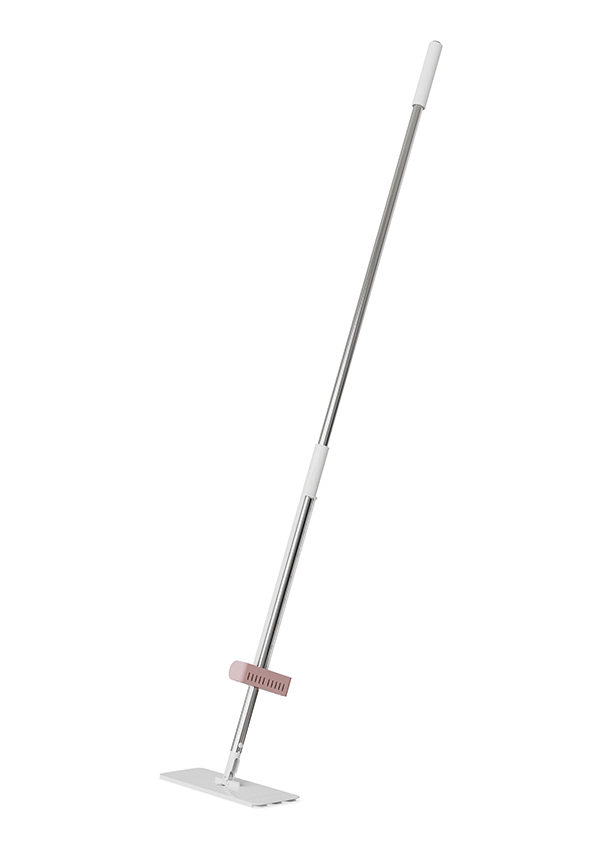
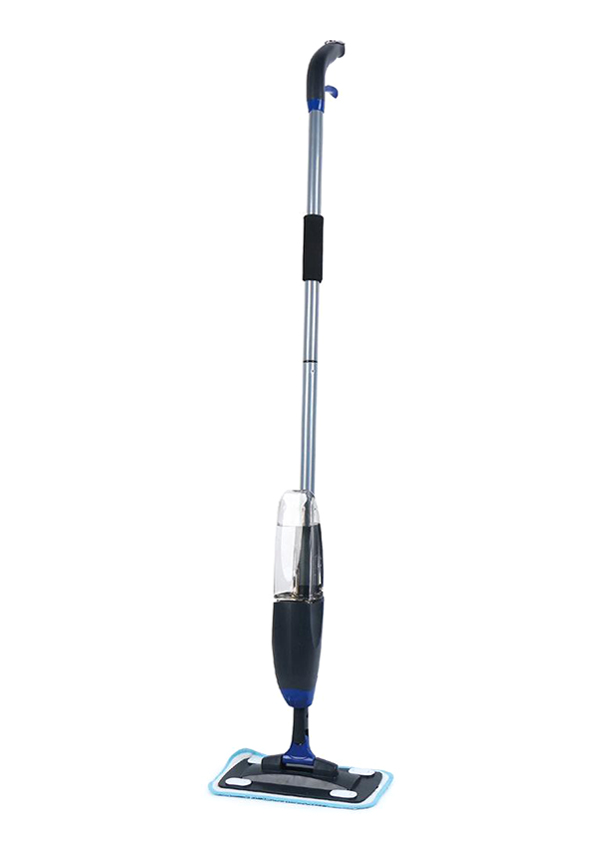
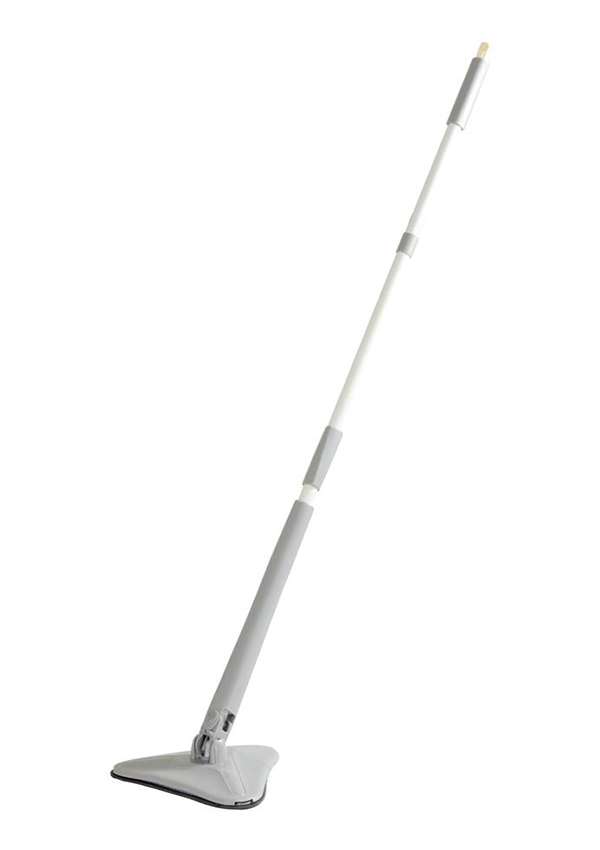
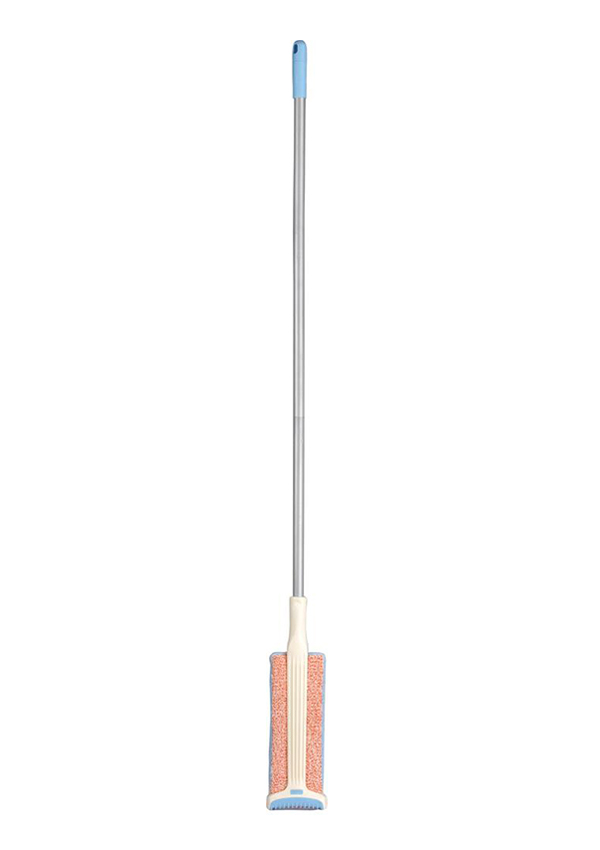
For floors, the cloth is usually part of a flat mop system. A flat mop with a microfiber pad is the most significant upgrade most households can make to their floor-cleaning routine. The pad holds dirt and solution against the floor, lifts it, and can be flipped to use both sides. When the pad is dirty, remove it and attach a clean one. This method is more hygienic than a bucket and mop because dirty water never returns to the floor.
For hard floors, look for a flat mop pad in the 350 to 450 GSM range. The dense pile absorbs more liquid and grips uneven floor textures better than a thin pad. For sticky kitchen floors or entrance tiles, a pad with built-in scrub strips or looped pile is the best choice. The same type of pad works on baseboards when the mop handle is angled to apply gentle pressure along the bottom edge of a wall.
If you own a robot vacuum or a steam mop, the same microfiber logic applies. Replacement pads for these devices are almost always microfiber, and the quality varies widely. Choose pads that are thick enough to hold moisture without dripping and have a secure mounting edge so they do not fold under the device.
Pet Hair and Upholstery
Pet hair is one of the hardest substances to remove from fabric and carpet because it is embedded by static and barbs. A dampened rubber glove or a dedicated lint roller works well for small areas, but for furniture, a high-GSM microfiber cloth can ball pet hair off upholstery when wiped in a firm one-directional motion. The key is to keep the cloth slightly damp, which makes the fibers grip hair better than when dry. Wash the cloth thoroughly after each use, since pet hair will not rinse out easily and can clog a washer vent.
Car Cleaning and Detailing
The detailing aisle uses microfiber more than any other cleaning category, and for good reason. Plush microfiber towels at 400 GSM and above are the standard for drying paint without scratching. Lower-GSM microfiber is used for interior dusting and glass. Synthetic chamois is an alternative for drying a car quickly, but it must be kept completely clean, because a stained chamois holds grit and can scratch paint. For the dashboard and touchscreens, microsuede cloths work well without leaving smudges.
How Many Cleaning Cloths Do You Actually Need?
Most households overbuy cleaning cloths and then let them accumulate in a drawer until the old ones are indistinguishable from the new ones. A practical kit is smaller than you think:
- Eight to ten general-purpose microfiber cloths around 250 GSM for countertops, tables, appliances, and daily wipe-downs.
- Four to six plush microfiber cloths from 350 to 400 GSM for floors, stovetops, and heavier wet cleaning.
- Two waffle weave cloths for glass, mirrors, and stainless steel finishing.
- Two to three cotton dishcloths for kitchen spills and drying tasks.
- Four disposable non-woven cloths or a dedicated roll, used only for toilets and raw food areas.
At a minimum, you need at least two cloths per cleaning session: one to apply the solution and lift soil, and one to dry and buff. If you clean multiple rooms, add one fresh cloth per room to avoid carrying bacteria from the toilet to the kitchen. Color-coding helps here, because a blue cloth used in the bathroom should not appear in the kitchen.
This kit costs less than a single fancy cleaning gadget and replaces the need for paper towels for most tasks. When you have a designated cloth for every task, you will also notice that cleaning takes less time because you are no longer hunting for a clean rag in the middle of a job.
How to Judge the Quality of a Cleaning Cloth
Walk down any cleaning supply aisle and you will see microfiber cloths priced from under a dollar to ten dollars each. The difference is not random markup; it reflects fiber quality, density, construction, and finishing. Understanding those parameters helps you avoid cloths that look good in the store but perform poorly at home.
Weight and Density in GSM
GSM is the most reliable single indicator of a cloth's absorbency and durability. General guidance:
- 120 to 200 GSM: light cloths for dusting, wiping eyewear, and cleaning screens. They dry quickly but hold only a small amount of water.
- 200 to 300 GSM: general-purpose cloths for countertops, kitchen surfaces, and bathroom wipes. This is the most useful range for everyday home cleaning.
- 300 to 400 GSM: dense cloths for floors, heavy grease, and wet applications. They absorb more, feel plush, and perform well on flat mops.
- 400 GSM and above: plush towel-grade cloths for car detailing and fine-finish work. These are the softest and most expensive, but they are overkill for ordinary household dirt.
When comparing two cloths of similar GSM, pay attention to the feel. A cloth that is dense but stiff has likely been treated with a finishing resin or woven too tightly to mold to irregular surfaces. A good cleaning cloth should feel soft yet substantial, with a slight nap that catches on your skin when you drag it across your palm.
Fiber Blend and Splitting Quality
Quality microfiber is typically 80 percent polyester and 20 percent polyamide. The polyamide is what makes the cloth absorb water and grease, so a cloth with only 5 percent polyamide will feel slick and will not absorb as well. Some products are labeled microfiber even when the fibers have not been properly split, because there is no universal certification standard. The surest way to verify quality is to buy from a manufacturer that produces professional cleaning tools and stands behind a product specification, rather than a generic import brand with no measurable claims.
Weave, Edge, and Labeling
Microfiber comes in several constructions, each with a different purpose. Terry microfiber has looped piles and is thick and absorbent, suitable for bathrooms and floors. Satin microfiber has a tight, smooth surface that does not scratch, which is why it is used for screens and polished metal. Waffle microfiber has the geometric texture described earlier and is best for glass and final drying. Knit microfiber is soft and slightly stretchy, common in cloths meant to wrap around the hand.
The edge construction matters more than most people realize. Cut-edge cloths fray quickly at the border. Hemmed or laser-sealed edges prevent fraying and lengthen the cloth's service life significantly. If a cloth has a colored border, check whether the dye bleeds after the first wash; high-quality borders are dyed in a way that does not fade onto the fabric.
Color Coding for Different Zones
Professional cleaners often use color-coded cloths to prevent cross-contamination. A common scheme is blue for glass and mirrors, yellow for general surfaces, green for kitchen areas, and red for bathrooms and toilets. You do not need to follow that exact system, but you should use different colors for different rooms. This simple habit prevents the most common cleaning mistake: using the same cloth on the toilet and then on the sink, or across a raw meat area and then a chopping board.
Washing and Maintaining Cleaning Cloths
A high-quality cleaning cloth is an investment that pays off for years if cared for correctly, and becomes a waste of money otherwise. Three rules govern cloth maintenance: wash them separately from general laundry, avoid fabric softener and bleach, and dry at low temperature or on a line.
The Fabric Softener Problem
Fabric softener coats the fibers with a waxy layer that neutralizes the electrostatic charge and fills the microscopic channels in microfiber. After one wash with fabric softener, a microfiber cloth loses most of its dust-attracting power. Dryer sheets have the same effect. If you have accidentally used softener, a hot water wash with a small amount of white vinegar can sometimes restore performance, but the damage is not always reversible. When in doubt, test the cloth by wiping a dusty surface and comparing the result to a fresh cloth.
Detergent and Water Temperature
Use a mild liquid detergent without bleach or optical brighteners, at roughly half the amount you would use for a normal load. Heavily soiled cloths may need a heavy-duty cycle with hot water at 60°C, which is sufficient to kill most household germs. Wash microfiber separately from cotton, lint-shedding fabrics, and heavily soiled clothing; the synthetic fibers will attract lint and lose efficiency. Cotton cloths can be washed in the same load, but they should not be left to sit damp in a pile with microfiber.
Drying Methods
Line drying is ideal for microfiber because it avoids heat and lint. If you use a dryer, choose a low-temperature cycle and do not use dryer sheets. High heat can melt or deform the synthetic fibers, making the cloth stiff and abrasive. Cotton cloths, by contrast, can be machine dried at any temperature and even ironed, which is why some people keep cotton in the kitchen for tasks that need a laundered, pressed cloth.
In a commercial kitchen or professional cleaning service, a strict wash schedule is essential. Cloths used for bathrooms and raw food areas must never be washed with kitchen towels. The cost of running separate loads is far lower than the cost of a cross-contamination incident, a failed health inspection, or a customer complaint about a sour smell.
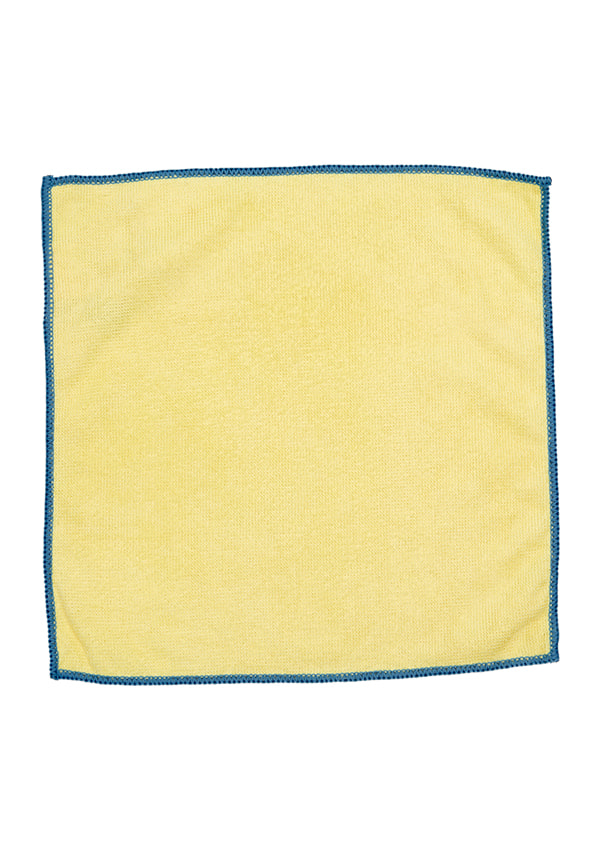 Microfiber Household Towel for Drying and Regular UseWith dense fibers that absorb water quickly, this towel works well for drying. Proper storage is essential—hanging it to dry fully between uses prevents bacterial growth and keeps it fresh for repeated household cleaning.View Product →
Storage Between Uses
How you store a cleaning cloth between uses matters almost as much as how you wash it. Never leave a damp microfiber cloth crumpled on a counter or in a bucket. Hang it to dry over a rack or lay it flat in a well-ventilated area. If you keep a cloth in a caddy for daily use, make sure it is fully dry before returning it to the caddy, or bacteria will proliferate and the cloth will smell even after washing.
Signs That a Cloth Needs Replacing
Even the best cleaning cloth eventually reaches the end of its useful life. The signs are visible and tactile:
- Water no longer beads on the surface; the cloth pushes water around instead of absorbing it.
- Grease stains no longer rinse out after washing, leaving a smeary film on surfaces.
- The fabric smells sour even after washing, a sign of bacterial buildup in the fiber core.
- The edges are frayed and loose fibers are shedding onto the surfaces you are trying to clean.
- The cloth is stiff, or the pile has flattened and lost its grip.
When a cloth reaches this stage, do not keep it in the cleaning kit. A sour microfiber cloth used on a kitchen counter can transfer malodorous bacteria to food-contact surfaces, defeating the purpose of cleaning. Retired cloths can be moved to the garage, the workshop, or pet cleanup duty, where hygiene is less critical.
Environmental and Cost Considerations
The choice of cleaning cloth has an environmental footprint and a long-term cost. Disposable paper towels and wet wipes are the most expensive and most wasteful option. A household using five paper towels a day spends roughly $40 to $80 per year and sends several kilograms of cellulose to landfill. Reusable microfiber cloths replace hundreds of paper towels over their lifespan, and the environmental savings outweigh the water and energy used for washing, especially if you wash full loads and line dry.
Microfiber is petroleum-derived and non-biodegradable, which is a real concern. However, a single microfiber cloth washed 300 times has a far smaller carbon footprint than 300 single-use paper towels, which also require energy to manufacture and transport. Some brands now use recycled polyester in their microfiber blend, reducing the petroleum footprint further. If environmental impact is a priority, look for recycled content, buy the highest quality you can justify, and use the cloths until they genuinely wear out.
There is also a growing conversation about microplastics released when synthetic fabrics are washed. This applies to clothing as much as cleaning cloths. Cotton does not shed microplastics, but cotton production consumes more land and water. Neither option is perfect. The best environmental choice is the cloth that lasts longest, does the job with the fewest resources, and is washed efficiently with a full load of similar items.
For commercial buildings, the cost equation includes labor. A cloth that cleans a surface in one pass instead of three reduces labor time, which is usually the largest cost in professional cleaning. This is why many cleaning companies have switched entirely to microfiber despite the higher upfront cost per cloth compared to cotton rags.
What Professional Buyers Should Look For
For purchasing managers, procurement officers, and brand managers sourcing cleaning cloths for a company or a retail assortment, the decision criteria go beyond household convenience. You need consistency across batches, documented quality control, and a reliable supply chain. Cleaning cloths look like a simple commodity, but the difference between a 200 GSM and a 350 GSM cloth is obvious to an end user, and inconsistent quality generates complaints and returns.
When evaluating a supplier, examine four things: standardized GSM and fiber blend specifications, finished-edge construction, color consistency across production runs, and packaging that protects the cloths from contamination. A manufacturer with its own production lines can match these specifications more reliably than a trading company that sources from multiple factories without controlling the process.
The same logic applies to private-label brands. If you sell cleaning cloths under your own brand, the material, size, weight, and packaging must remain consistent from batch to batch because customers will not accept variation. An experienced factory partner can also help you avoid common pitfalls: choosing the wrong GSM for the intended use, printing labels that bleed when wet, or selecting packaging that traps moisture and causes mildew.
It is also worth understanding the broader product ecosystem. A microfiber cloth is one component of a cleaning system. Buyers who already source flat mops, floor wipes, and dusters will find that a supplier who makes the entire family is easier to work with than one who only sells cloths. Fewer suppliers means fewer coordination issues and consistent raw material quality across the cleaning product range.
Final Recommendation
If you remember only one thing from this guide: keep a stack of good-quality microfiber cloths as your main cleaning tool, add a cotton dishcloth for the kitchen, and keep a waffle weave cloth for glass and mirrors. That three-cloth system covers more than 90 percent of household cleaning tasks. Buy the best GSM you can justify, care for the cloths properly, and replace them when they lose their absorbency.
The cleaning cloth market is crowded, and prices range from bargain-bin to boutique, but the underlying physical principles are simple. Split synthetic fibers pick up dirt, hold water, and leave no lint. Matching the cloth to the task is the final piece. Do that, and your cleaning will become faster and more effective with the same products and the same effort.
For sourcing teams and brand owners, the same principle applies at scale. A well-specified microfiber cloth from a manufacturer that controls fiber, weaving, cutting, and finishing will outperform random imports and generate far fewer end-user complaints. It is one of the easiest parts of a cleaning assortment to get right, and one of the easiest to overlook until negative reviews arrive.