You vacuum the living room on Saturday morning, dust the shelves, and by Sunday evening a fine gray film has already settled on the television screen and the window sill. You check the wall registers and see dust clinging to the vanes. When the furnace kicks on, you catch a faint musty note. After a few weeks of this, the same suggestion keeps appearing in your searches: have the air ducts cleaned.
Here is the direct answer: yes, duct cleaning can reduce household dust, but only when the duct system itself is releasing dust into your living space. If your ducts are reasonably clean, properly sealed, and paired with a decent filter, a professional duct cleaning will change very little. Duct cleaning is a targeted source-removal measure, not a universal cure for a dusty home.
That distinction is easy to miss because duct cleaning is sold with broad promises. In reality, household dust comes from dozens of sources: shed skin cells, pet dander, fabric fibers, cooking particles, outdoor soil tracked in on shoes, and pollen drifting through open windows. The ventilation system is just one channel, and for many homes it is not even the main one. Before spending several hundred dollars on a duct cleaning service, it is worth understanding exactly what the process does, what the evidence supports, and how to determine whether your ducts are actually the culprit. That is what this article covers.
What Air Duct Cleaning Actually Does
Air duct cleaning is the removal of dust, debris, and microbial contamination from the ductwork and related components of a forced-air heating and cooling system. A complete job covers the main supply and return trunks, the branch lines that run to individual rooms, the registers and grilles on floors, walls, and ceilings, and often the heat exchanger, cooling coil, condensate drain pan, and blower housing. In practice, the level of detail depends on the system design and the contractor's equipment, which is why the scope of work should be confirmed before the job starts.
It is equally important to understand what duct cleaning does not include. It is not a substitute for changing your HVAC filter. It is not the same as duct sealing, although the two are often discussed together because leaky ducts can quickly undo the benefits of a cleaning. And it should not be confused with the short surface wipe that some companies offer as a loss leader; a real duct cleaning works on the interior of the duct system, not just on the visible grilles.
Why do ducts accumulate dust in the first place? The interior surfaces of ducts are rarely smooth, especially where flexible ducting has been folded or where metal ducts have internal seams. When air moves through the system, particles settle on these surfaces. Temperature differences between the duct and the surrounding space create slight condensation and static effects that encourage particle adherence. Then, whenever the blower starts or stops, or when doors close and change air pressure, some of that accumulated material breaks loose and is carried into the room.
The cleaning methods used by reputable contractors fall into a few categories, and most jobs combine several of them.
Common professional duct cleaning methods and what each one is best suited for.
| Method |
How It Works |
Best For |
| Negative-pressure vacuuming |
A high-powered HEPA-filtered vacuum unit attaches to the duct system and creates suction, capturing dislodged debris before it re-enters the living space. |
The core of nearly every professional service; prevents dust from spreading during cleaning. |
| Rotary brushing |
A motorized brush head travels through the duct with a handle and flexible cable, breaking up dust layers adhered to the interior surface. |
Rigid metal ducts and fiberglass board ducts with visible contamination. |
| Air whipping |
Compressed air is injected in rapid pulses to shake dust and debris loose; often combined with simultaneous vacuum suction. |
Flexible ducts and sections where mechanical brushing could be too aggressive. |
| Hand brushing and extraction |
Technicians open access ports and brush surfaces manually while vacuuming directly at the point of agitation. |
Short runs, awkward fittings, registers, grilles, and final cleanup. |
| Sanitizing or encapsulation |
Chemical products are used to inhibit microbial growth or to seal dust residues onto duct surfaces. |
Rarely necessary; only after laboratory or visual confirmation of mold or bio-contamination. |
The principle that ties all of these together is source removal. If the material is loosened but never captured, the dust ends up either deeper in the duct system or in your living room. This is why professional guidelines insist on negative pressure and HEPA filtration at the vacuum exhaust: the dust has to leave the house, not simply relocate within it.
What the Evidence Actually Shows
Government and industry research on duct cleaning is more modest than the sales pitches suggest. The U.S. Environmental Protection Agency (EPA) states that duct cleaning has never been shown to actually prevent health problems, and that studies do not conclusively demonstrate that particle levels such as household dust are reduced by cleaning. That is a critical statement, because it frames duct cleaning as an optional maintenance activity rather than a medical necessity. It also deserves context: the EPA's position reflects the limits of existing research, not proof that duct cleaning never helps in particular homes.
The mechanism behind a potential dust reduction is logical enough. A forced-air system recirculates the air in a typical home several times each hour. Return ducts pull air from the rooms, pass it through the filter, and deliver it through supply ducts into the living space. If a layer of dust sits inside the supply ducts, the air moving past it picks up particles, especially when the blower cycles on and off, when ducts expand and contract with temperature changes, and when pressure shifts occur in the house. Over time, this shows up as dust lines around registers and a fine film on furniture near the vents.
Once the interior surfaces of the ductwork are clean, less loose material is available to be disturbed. During the first weeks after a proper cleaning, many homeowners notice that dust accumulates more slowly and that the area around the registers stays cleaner. This is evidence that source removal works. The catch is that ducts are only one source. Studies that examine household dust consistently find that the largest contributors are tracked-in soil, shed skin and hair, textile fibers, and outdoor particulates that enter through windows, doors, and gaps in the building envelope. If those sources dominate, duct cleaning will not produce a visible difference.
Differences in study results should not be surprising. The homes in these studies have different duct materials, different leak rates, different filters, different cleaning crews, and different levels of contamination. A single average across all of them is far less useful than an honest assessment of your own situation. If the ducts are visibly dirty, removing that dirt is a physical fact: there is less dust in the system to blow into the room. If the ducts are already clean, no type of cleaning will create dust that can be reduced.
What to Expect After Duct Cleaning
Homeowners who see real benefits from duct cleaning tend to notice changes in a particular order. The first sign appears around the supply registers. If the ducts were carrying a layer of debris, the areas directly under or above the vents stay cleaner for longer. Second, airflow may feel slightly stronger if the accumulated dust was restricting the passage. Third, a musty or dusty odor that appeared when the system started often weakens or disappears, particularly when organic material was involved. Fourth, in homes where the ducts were a genuine source, the overall dust load on furniture and window sills drops noticeably within two to four weeks.
What will not change is equally important to understand. Duct cleaning does not stop new dust from entering the house. It does not eliminate the need to change filters, vacuum carpets, wash bedding, or wipe down hard surfaces. And if your dust problem is driven by a leaky return duct that pulls air from an attic or crawlspace, the interior cleaning will not fix the dust until those leaks are sealed. Many disappointed customers were simply expecting the wrong outcome; they wanted a dust-free house, while duct cleaning can only remove one specific reservoir of dust.
A useful analogy is the dustpan. Emptying the dustpan removes what is already on the floor, but it does not stop the next load from being swept into it. The homes that gain the most from duct cleaning are those where the incoming load is relatively small because good filters, closed doors and windows, and regular cleaning habits are already in place. In those homes, a cleaning gives an immediate reduction and a longer interval before dust becomes noticeable again.
Expectations about health should be equally realistic. There is no reliable evidence that duct cleaning prevents colds, allergy attacks, or asthma flares, and the EPA is careful to say so directly. If you are cleaning ducts because someone told you it would solve a respiratory problem, keep expectations modest. If the system is visibly contaminated, removal of that material is still a reasonable thing to do, but it is not a substitute for medical care or for addressing the indoor air quality issues that a doctor has identified.
Signs That Your Ducts Are Actually the Problem
Not every dusty home needs its ducts cleaned. The following signs point specifically to the duct system as a contributor to household dust.
- Visible dust, hair, or debris inside the supply ducts when you remove a register and look in with a flashlight.
- Gray or dark staining on the ceiling or wall directly around supply outlets, where air traveling past the dust layer carries particles outward.
- Dust reappearing rapidly on furniture and floors near vents after a full cleaning of the room.
- A puff of dusty air or a musty smell when the heating or cooling system starts, which indicates that material is being dislodged from the duct surfaces.
- Recent renovation work, especially sanding drywall compound, cutting wood, or installing new flooring, because construction dust is fine enough to be pulled deep into the duct system and then released for months afterward.
- Pet hair and dander packed into the return grille or visible along the first sections of return ductwork.
- Signs of moisture, mold growth, or pest droppings inside the ducts, which go beyond dust and justify immediate professional attention.
Frequency questions follow quickly after the signs. Indoor air quality organizations and HVAC professionals generally agree that a typical home with good filtration does not need duct cleaning more often than every three to five years. Homes with pets, smokers, heavy dust loads, allergy sufferers, or a recent remodel may be closer to the three-year end, but even then, cleaning more frequently is rarely justified. Anyone who aggressively pushes an annual duct cleaning package is usually more interested in recurring billing than in the actual condition of your ducts.
Keep the logic simple: ducts should be cleaned when there is visible contamination to remove, not on a marketing calendar.
When Duct Cleaning Will Not Fix the Dust
There is nothing more frustrating than paying for a duct cleaning, watching the work get done, and then seeing the same dust layer return within a week. That experience almost always means the real dust sources sit outside the duct system. Common examples include the following.
Poor filtration is the first suspect. A basic fiberglass filter stops large particles, but much of the fine dust in household air passes straight through and is blown back into the rooms. Upgrading to a filter rated MERV 8, and ideally MERV 11 or higher, frequently does more for visible dust than a duct cleaning ever could. The filter runs continuously, while a duct cleaning happens once.
Leaky ductwork is the second. Supply and return ducts that run through an attic, basement, or crawlspace often have gaps at the joints. When the blower runs, the pressure difference pulls insulation fibers, rodent droppings, and dusty attic air directly into the airstream. A cleaning of the interior surfaces cannot address this because the contamination is being generated outside the duct liner, at every unsealed seam. Sealing the ducts, or at least the major leaks, is the actual solution.
High outdoor dust loads also overwhelm any interior measure. Homes near busy roads, construction sites, farms, or open fields take in a continuous supply of fine particles through open windows, door gaps, and ventilation intakes. Duct cleaning cannot tighten the building envelope. A better investment is high-quality door sweeps, window weatherstripping, and an HVAC filter with a higher MERV rating.
Lifestyle sources deserve attention too. Shoes worn through the house bring in soil that becomes dust once it dries and breaks down. Uncovered pets shed hair and dander. Fireplaces and scented candles generate fine combustion particles. Cooking releases grease aerosols. None of these are affected by the state of your ducts, which is why families with the same ductwork can have very different dust levels depending on how they live.
Finally, consider the dust that is simply lying on hard floors. Walking through a room creates enough air movement to lift a portion of settled dust, especially fine particles that are light and dry. This re-suspension happens even when the HVAC system is off. The solution is regular sweeping, vacuuming, and mopping with tools that trap the dust rather than pushing it around, and that is a routine matter, separate from duct condition.
If any of these descriptions match your situation, redirect your budget. Duct sealing, a better filter, additional air filtration, or a more disciplined floor cleaning routine will usually reduce dust more reliably than a single service deep inside the ductwork.
How to Inspect Your Own Ducts
You do not need to hire a professional to get a solid preliminary read on your duct system. A fifteen-minute inspection can tell you whether the ducts are a likely source of dust. Follow these steps with the system switched off.
- Turn off the heating and cooling system and wait several minutes so the air in the ducts becomes still.
- Remove one or two supply registers, preferably in the rooms where dust collects fastest. Look inside with a flashlight, and take a phone photo if you want to compare later.
- Run a clean white cotton glove or a white cloth along the interior surface just inside the opening. Heavy soiling that comes away as a visible gray layer means material can be blown into the room.
- Inspect the return grille, normally the largest register on a hallway wall or near the thermostat. Check the filter behind it for darkness and clogging, and confirm the filter fits tightly so air does not bypass it.
- Look at the exposed duct seams in a basement, attic, or utility room. Dust trails around the joints indicate air leakage that can carry contaminants into the system.
- Feel the texture of the dust you find. Gritty, sandy dust suggests construction residue or tracked-in soil. Soft, linty dust indicates textiles, pet hair, and skin cells. This gives a clue about the source and the right remedy.
Interpretation is straightforward. Thick contamination, renovation debris, or visible biological growth inside the supply ducts justifies a professional cleaning. Clean ducts with a dusty house point elsewhere: to the filter, the leaks, the outdoor environment, or the routine. A professional can confirm your findings with more sophisticated equipment, but the basic verdict is usually clear without it.
What a Professional Cleaning Should Include
If the decision is to hire a professional, quality matters more than the advertised price. A reputable company follows a sequence designed to ensure dust is removed, not redistributed.
- Pre-inspection. The technician opens access ports, photographs the interior, and documents the condition of the duct system so there is a baseline for the final result.
- Preparation. Registers and grilles are removed, the HVAC system is switched off, and a negative-pressure vacuum unit is connected to the duct system, usually at the furnace or a main trunk.
- Agitation. Brushes, air whips, or hand tools physically loosen the dust and debris from the interior surfaces.
- Collection. The HEPA-filtered vacuum captures the material while it is still inside the duct system, preventing it from entering the living space.
- Component cleaning. The blower compartment, cooling coil, condensate drain pan, and accessible portions of the heat exchanger are cleaned where possible, depending on the system design.
- Final inspection and restoration. Registers and grilles are washed, reinstalled, and the area around each vent is wiped clean. The technician may provide after photos to document the result.
A contract should specify exactly what will be done. The following table lists the points that separate a thorough provider from a superficial one.
Contract specifications that indicate a reliable duct cleaning provider.
| Requirement |
Why It Matters |
| NADCA membership or documented training |
Confirms the crew follows an established standard rather than improvised methods. |
| Negative pressure and HEPA filtration |
Ensures dust is captured at the source instead of being blown back into the house. |
| Before and after photos |
Provides visual proof of contamination and completion; useful for complaint resolution. |
| Cleaning of registers, grilles, and vent covers |
Visible parts of the system collect dust too, and they should be washed, not just brushed. |
| No unnecessary chemical treatments |
Sealants and biocides should only be used with documented evidence of a problem, and never as an automatic upsell. |
| Clear pricing by system count and accessibility |
Transparent quotes reflect actual work; suspiciously low prices are almost always a hook. |
A professional duct cleaning typically costs between $300 and $800 for a single-family home, depending on the size of the house, the number of systems, the accessibility of the ductwork, and the level of contamination. A job that is properly done takes several hours, not thirty minutes. The crew will need access to the furnace area and most of the rooms, and there will be a certain amount of moving furniture to reach floor registers. That is normal.
Beware of add-ons that appear at the end of a job. Your condensate line needs treatment and your ducts really should be sealed are common pressure points after the customer is already emotionally committed. Ask for evidence, take photographs of anything concerning, and do not authorize additional services without a written explanation of why they are necessary.
Risks, Red Flags, and Choosing a Provider
Air duct cleaning, done properly, is a low-risk procedure for a home and its occupants. Done poorly, it can make a dust problem measurably worse. The two most common failures are inadequate suction and aggressive mechanical brushing.
If the vacuum system is too weak, or if the negative-pressure seal around the access point leaks, dust that is brushed loose simply travels through the duct system and out through the nearest registers into the living space. This is precisely why the EPA warns that an inadequate vacuum collection system can release more dust and dirt than if the ducts had been left alone. The fix is in the equipment: a commercial HEPA vacuum capable of maintaining negative pressure, and a crew that checks the seals before beginning the agitation step.
The second risk is physical damage. Rotating brushes, used aggressively, can rip flexible duct lining, fray reinforced foil, or knock joints loose in older metal duct systems. Duct damage is expensive to repair and it creates new routes for dusty air to enter the system. Good contractors use softer brushes and adjust the tool to the duct material, and they stop if the equipment is clearly fighting the duct rather than cleaning it.
The industry also has its share of outright scams. Common red flags include:
- Teaser pricing under $100, followed by discoveries that multiply the final bill by five or ten.
- Claims that duct cleaning will cure allergies, asthma, or lung disease, which go far beyond any evidence.
- Free or ultra-cheap duct cleaning offered as a door-to-door promotion, which is often a front for unrelated services.
- Pressure to purchase antimicrobial treatments, duct sealants, or protective coatings at the end of the appointment.
- Technicians who show the same before photos to every customer, or who cannot explain what negative pressure means.
Choosing a provider is worth twenty minutes of research. Check association membership, read reviews that specifically mention whether dust stayed low after the service, and ask the estimator to walk through the method. A good contractor will answer those questions comfortably because the business depends on a defensible process, not on promises.
What Actually Keeps Household Dust Under Control
Once you have made a thoughtful decision about duct cleaning, the longer-term question is how to keep dust from building back up. The most effective strategy is a layered one: prevent dust from entering, capture what enters, and remove what settles before it becomes airborne again.
Filtration and Airflow
The filter is the main barrier between the air in your rooms and the surfaces of your HVAC system. A filter with a MERV 8 rating catches most common household dust, while MERV 11 to MERV 13 filters perform substantially better against the fine particles that make a house look dusty. Change the filter every one to three months, depending on pets, occupancy, and local outdoor conditions. A clean filter removes dust continuously across the entire year; no duct cleaning, regardless of how thorough, operates on that timescale.
Vacuuming and Surface Dusting
Vacuuming with a HEPA-equipped machine removes dust from carpets, rugs, and cracks that would otherwise stir into the air. The vacuum itself matters; a standard bagless unit without HEPA filtering can blow fine dust straight back into the room. For hard floors, a flat microfiber mop is among the most effective tools because the microfibers grab particles rather than pushing them in a wave across the surface. Dusting shelves, picture frames, and electronics with a microfiber duster also outperforms dry cloths and feather dusters, since microfiber creates static attraction that captures and holds the material instead of scattering it. Refillable duster systems with washable heads cost a little more at the outset but remove the recurring expense of disposable alternatives. A folding duster with an extendable handle also makes it easier to reach ceiling corners, door frames, and the top of tall cabinets where dust builds up invisibly.
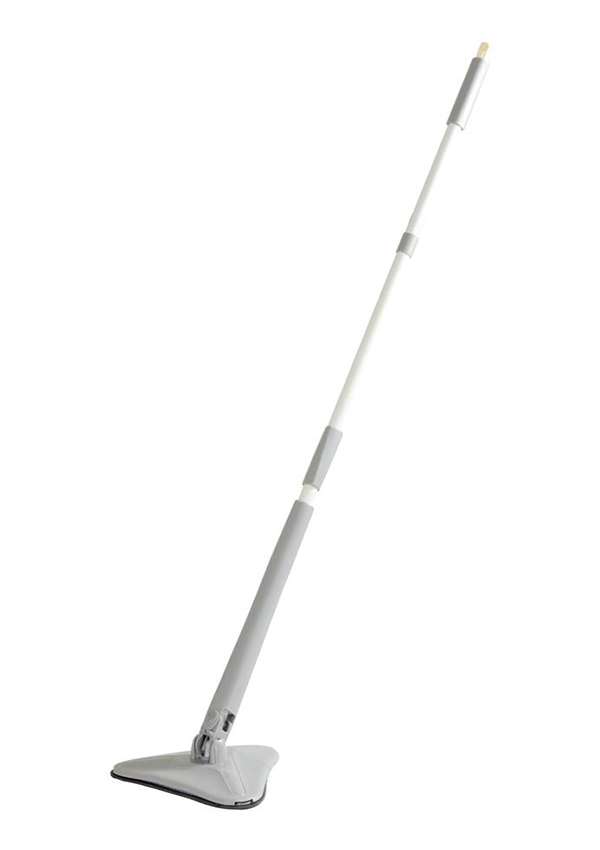
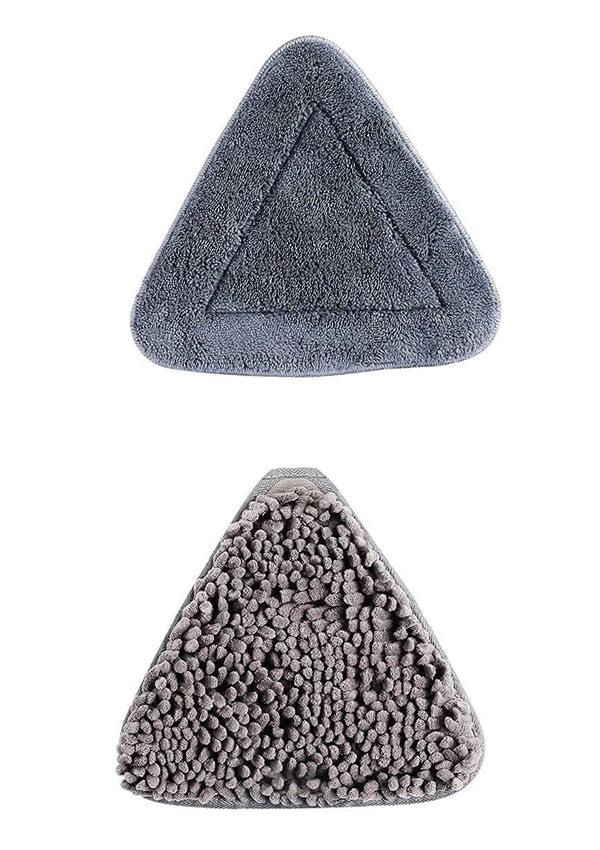 S1 Folding Magic Duster with Extendable HandleThis duster’s foldable triangular head reaches ceiling corners and narrow gaps where dust gathers invisibly, while its dust-trapping fibers capture particles instead of scattering them, making it a practical addition to a thorough dusting routine.View Product →
Bedding and Fabrics
Shed skin cells and textile fibers are among the largest components of indoor dust, and the bed is ground zero. Washing sheets and pillowcases weekly in warm water, using allergen-proof covers on pillows and mattresses, and laundering curtains and throw blankets on a regular schedule reduces the production of dust at its source. Pet bedding should be washed frequently as well, and pets should be brushed outside or in a room with a door that can be closed.
Vent Registers
Even when the ducts themselves are clean, the registers collect dust from the room. Wipe the vanes and the surrounding wall area once a month, use a small brush or the upholstery nozzle of the vacuum to clean the return grille whenever you change the filter, and make sure furniture is not blocking the airflow. Registers are the visible interface between the duct system and the room, so keeping them clean goes a long way toward making the whole house feel less dusty. A washable microfiber cloth is ideal for this task because it collects the dust instead of smearing it, and it can be rinsed and reused until the job is genuinely finished.
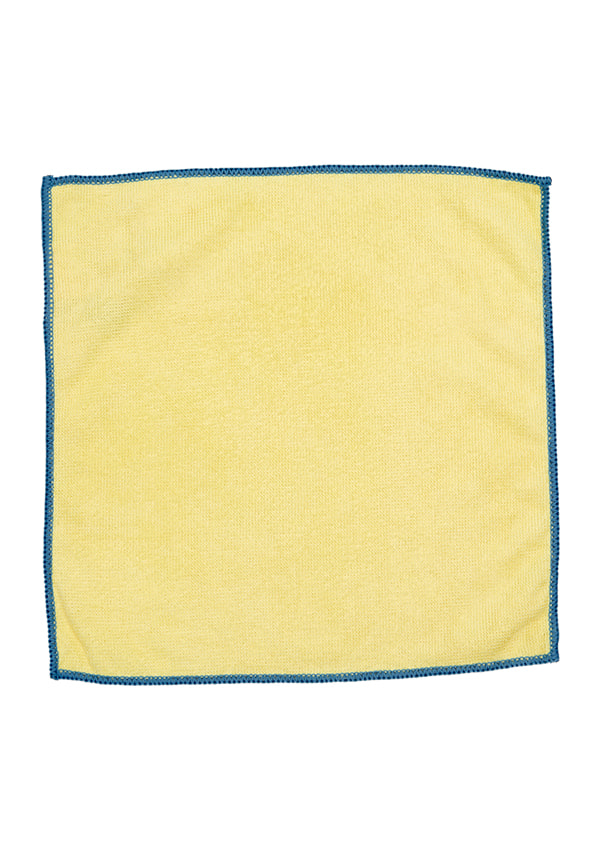 Microfiber Household Cleaning Towel for Registers and SurfacesA washable microfiber cloth is ideal for wiping HVAC registers, vanes, and surrounding walls monthly; it collects dust rather than smearing it and can be rinsed and reused until the job is complete.View Product →
Smart Tool Choices
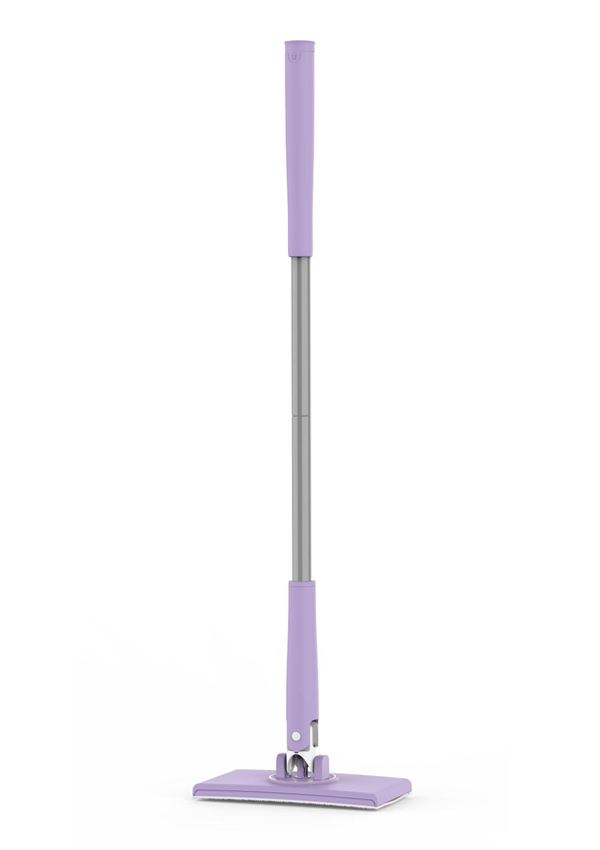
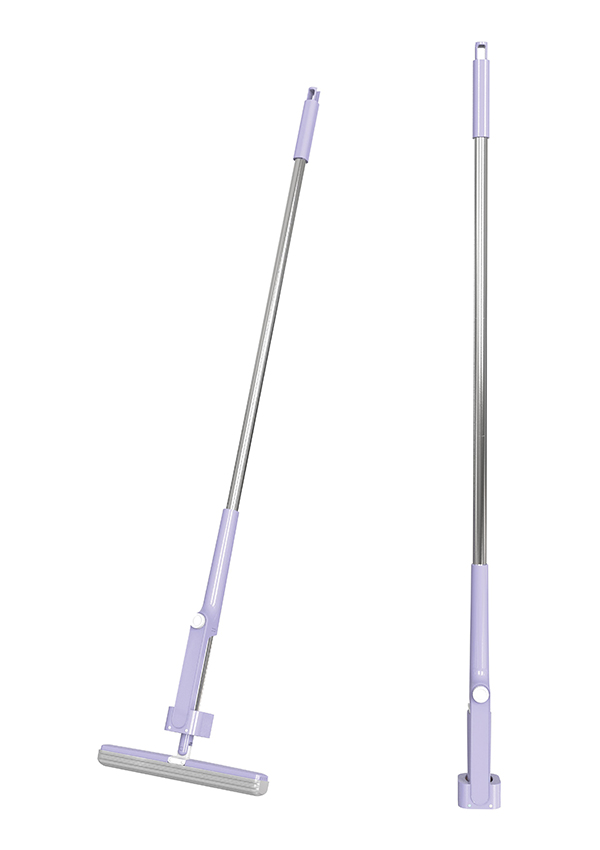
Choosing the right equipment is half the battle against household dust. High-quality reusable tools tend to have a higher upfront cost but a lower lifetime cost, and they do a better job of binding dust particles so they can be removed rather than redistributed. If you are weighing reusable dusters against disposable options, a detailed comparison of reusable and disposable dusters can help you choose what actually keeps dust under control. For floors, a washable microfiber dust mop or reusable floor cleaning wipes capture the fine layer that settles between deep cleaning sessions, and they are gentle enough for daily use in kitchens, hallways, and bedrooms.
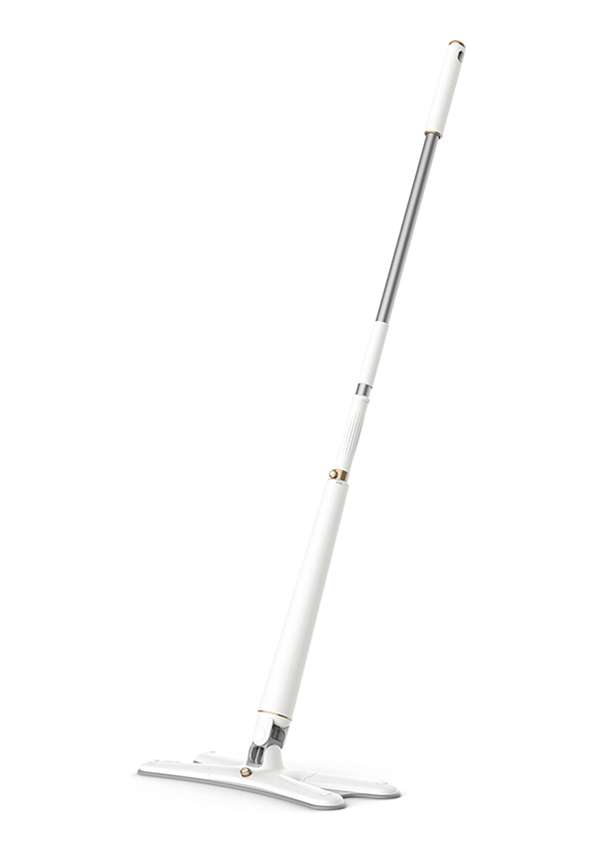
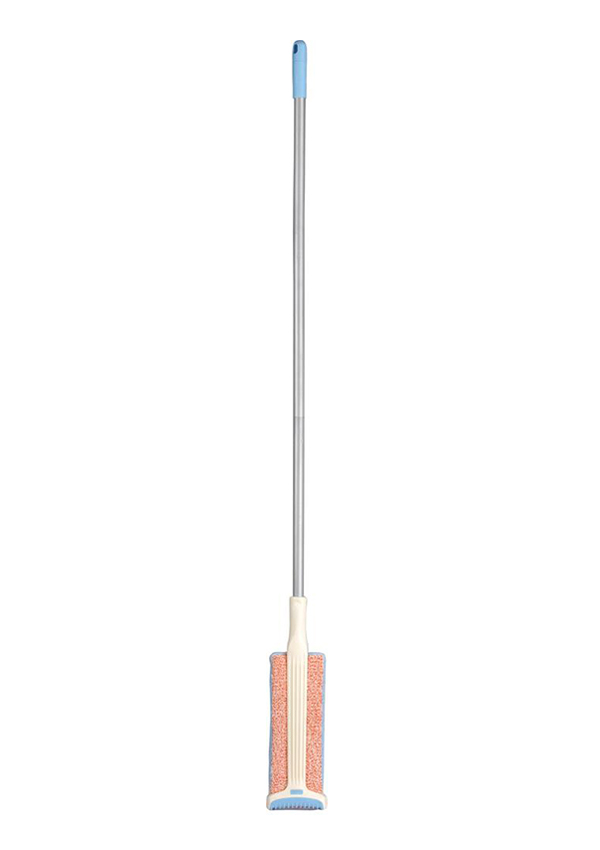
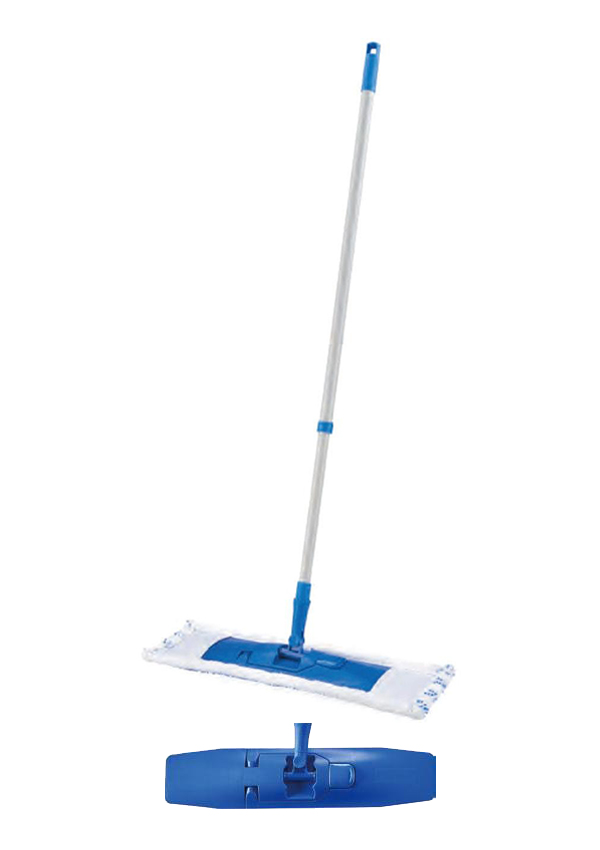 P8 Microfiber Floor Cleaning Mop for Wet and Dry UseThis mop uses high-quality microfiber pads that capture dust, hair, and stains on tile, wood, or stone floors. Its sturdy handle and wide base make daily cleaning between deep sessions efficient and gentle.View Product →
The common thread in all of these practices is that dust is being captured and removed, not pushed around. A household that combines moderate filtration, HEPA vacuuming, and microfiber-based dusting will produce measurably less airborne dust over time, and that means the ductwork stays cleaner too.
A Practical Maintenance Plan
Combining a one-time decision about duct cleaning with a consistent maintenance routine produces the most reliable long-term dust reduction. The schedule below reflects what works in real households where cleaning is a weekly rhythm, not a full-time occupation.
A dust-control schedule that keeps ducts and living spaces cleaner between professional services.
| Frequency |
Actions |
Expected Benefit |
| Daily |
Use entry mats, remove shoes at the door, and sweep or spot-vacuum high-traffic zones. |
Reduces tracked-in soil, the largest single source of household dust. |
| Weekly |
HEPA-vacuum carpets and rugs, dust surfaces with a microfiber duster or damp cloth, and mop hard floors. |
Removes settled dust before normal foot movement puts it back into the air. |
| Monthly |
Wipe vent registers and grilles, inspect or change the HVAC filter, and wash pet bedding. |
Keeps the most visible part of the duct system clean and checks the first line of defense. |
| Seasonally |
Change the filter if monthly intervals are not needed, vacuum supply vents, inspect visible duct seams for dust trails, and clean behind large appliances. |
Catches leaks and contamination before they feed dust into the system. |
| Every 3 to 5 years |
Arrange professional duct cleaning when an inspection shows visible contamination inside the ducts. |
Removes the accumulated reservoir that routine surface cleaning cannot reach. |
The schedule is flexible by design. A home with three dogs and a wood-burning fireplace will land on the aggressive end of every column, while an empty apartment with sealed windows and hard floors will need much less. What matters is the principle: source removal first, then ongoing capture and routine removal of whatever enters the living space.
The overarching logic is simple. Duct cleaning handles the reservoir inside the ventilation system, and your routine handles the ongoing load from daily life. A home with a good filter, sealed duct seams, and regular microfiber cleaning produces less dust to begin with, so the ducts stay cleaner between professional services. That combination is the practical answer to the question behind this article: duct cleaning does reduce household dust, but its contribution has to be understood within a broader system of prevention and maintenance.
To bring everything back to the original question: does duct cleaning reduce household dust? The honest answer is yes under the right conditions and no under the wrong ones. When dust and debris have accumulated inside the duct system, cleaning them out removes an active source that returns particles to the rooms every time the system cycles. That reduction is real and can be noticed within the first few weeks, especially in the areas closest to the supply registers.
But if you are already vacuuming regularly, changing the filter, and still finding a gray layer on the furniture every morning, the cause is probably not the interior of the ducts. Leaky returns, unfiltered outdoor air, poor filter selection, or simple household habits are far more common explanations. Spending several hundred dollars on duct cleaning in that situation will not solve the problem, and the disappointment can make people distrustful of legitimate cleaning work that their neighbors' homes genuinely need.
The most useful attitude is to treat duct cleaning as one element of a broader dust-control system. Inspect the ducts, clean them when evidence says they are contributing dust, seal the leaks, choose a filter that actually captures fine particles, and use cleaning tools that trap dust rather than launch it back into the air. When the ventilation system is part of the equation, professional duct cleaning makes a clear difference. When it is not, the money is better spent on the tools, filters, and habits that address the actual source. Either way, understanding the question before paying for the answer is the smartest thing a homeowner can do.