Professional dusting starts with the surface, not the duster
A professional house cleaner arriving at a dusty bookshelf does not reach for the same tool used on a ceiling fan, a carved picture frame, or a row of venetian blinds. The first decision is whether the dust is loose, clinging, greasy, or embedded; the second is whether the surface can tolerate pressure, moisture, or a brush tip. That is why the short answer to what professional cleaners use to dust is not one product. They use a small system: microfiber for most hard and semi-hard surfaces, soft natural or synthetic fibers for fragile items, a vacuum attachment for volume dust, and refillable or disposable heads where speed and hygiene matter. The working principle is to remove dust without launching it into the air or scratching the finish. For a closer look at how different duster heads are built, see this explanation of how a cleaning duster works.
In practice, the best professional dusters share three traits: they trap rather than flick dust, they can be cleaned or replaced before they become a reservoir, and they fit the reach and angle of the job. A microfiber sleeve, a lambswool head, a long-handled blind duster, and a crevice brush are not competing answers. They are different stages in the same dust-control process.
Microfiber is the backbone of most professional dusting kits
If a professional cleaner could keep only one dusting material, microfiber would be the practical choice. Split microfibers create a large surface area and hold dust through a combination of electrostatic attraction and capillary action. On sealed wood, painted trim, laminate, glass, tile, and most electronics, a dry microfiber sleeve picks up fine dust that a feather duster can push around. For settled dust on a bathroom shelf or a window ledge, a slightly damp microfiber cloth is often faster because the moisture gives the dust somewhere to cling. The cloth should be damp, not wet; excess water can leave streaks, swell wood grain, or create a muddy film on painted surfaces.
Professional cleaners tend to work with folded microfiber cloths rather than loose bundles. Folding creates multiple clean faces, so the cleaner can turn the cloth instead of shaking it out in the room. Shaking is a common mistake in home cleaning because it puts the dust back into the air. A professional will fold, wipe, turn, and then replace or launder the cloth. For high surfaces, an extendable microfiber duster reduces ladder work and keeps the cleaner’s hands away from fragile objects. For tight corners, a mini duster or a soft brush is more controllable than a large flat head.
Laundry care also affects performance. Microfiber should be washed separately from lint-producing towels, without fabric softener, and dried on low heat. Fabric softener coats the fibers and reduces their ability to grab dust. In professional settings, color coding helps prevent cross-contamination between bathrooms, kitchens, and general living areas. A duster that looks clean but has been used on greasy kitchen surfaces may simply smear dust on the next job. The practical buying test is not “how soft does it feel?” but “does it hold dust, release it in the wash, and keep its shape after repeated cycles?” A multifunctional microfiber duster is a useful bridge between a flat cloth and a specialty duster because it can handle trim, blinds, and narrow gaps without requiring a separate tool for every surface.
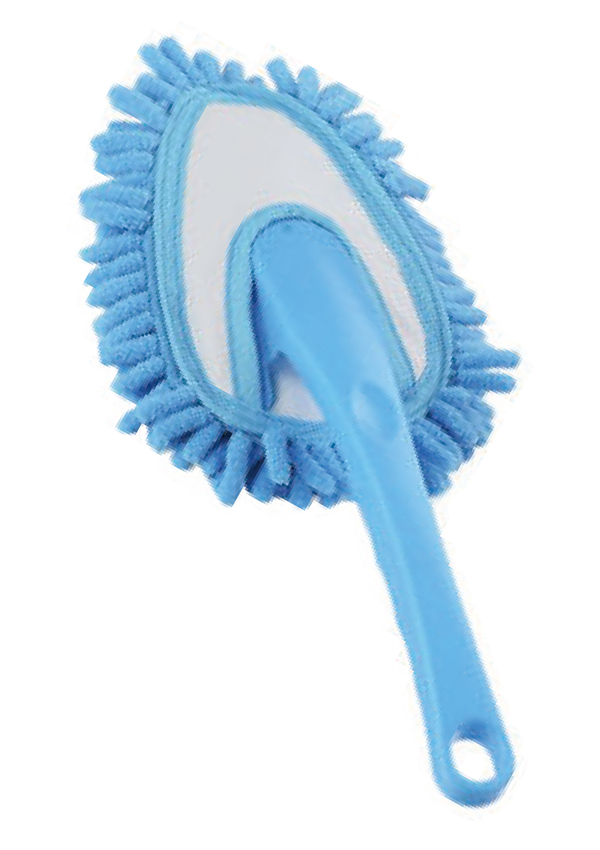 Q7 Microfiber Multi-Functional Dusting Duster for Detailed CleaningA multifunctional microfiber duster with short or long handle and chenille or coral fleece heads for trim, blinds and narrow gaps.View Product →
Feather, lambswool, and soft brushes still earn a place
Natural and soft synthetic dusters are not obsolete. They are useful when the surface is delicate, irregular, or difficult to reach with a flat cloth. Lambswool holds a surprising amount of dust in its fibers and works well on carved furniture, lamp bases, and ornate frames where a microfiber cloth may catch on details. Ostrich feather dusters are traditional for a reason: the barbules create a soft, low-pressure contact area that lifts light dust from fragile objects. They are less effective on greasy or damp dust, and they need regular cleaning themselves, but they remain a sensible choice for antiques, lampshades, and decorative items that cannot tolerate scrubbing.
Soft brushes are the professional answer to vents, keyboard gaps, blind slats, and carved wood. A brush can agitate dust from a narrow groove without forcing a cloth into a shape it cannot follow. The key is to use the brush lightly and to follow with a vacuum or a microfiber cloth so the dust is removed rather than redistributed. On venetian blinds, a dedicated shutter duster or a microfiber blind duster saves time because the head fits between slats and can be turned without bending the slats. On electronics, a dry soft brush is safer than a damp cloth, provided the device is unplugged and the brush does not shed fibers.
For fragile surfaces, the professional sequence is usually dry first, then gentle agitation, then capture. A feather or lambswool duster lifts the top layer; a soft brush releases dust from crevices; a microfiber cloth or vacuum captures what remains. This staged approach is slower than a single sweeping motion, but it protects finishes and reduces airborne dust. A microfiber feather duster offers a washable alternative to natural feathers, which is useful for households with allergies or for commercial cleaners who need consistent cleaning between jobs.
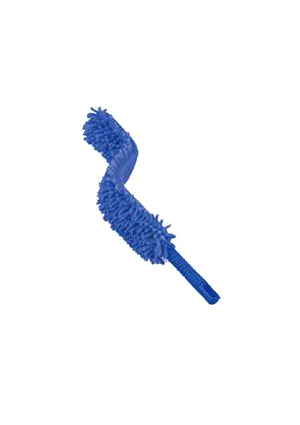 Q5 Microfiber Feather Duster with Short and Telescopic HandlesA washable microfiber feather duster with short or telescopic handle and chenille or coral fleece heads for high, delicate and electronic surfaces.View Product →
Refillable and disposable dusters: speed, hygiene, and replacement cost
Refillable dusters are common in professional cleaning because they balance performance with cost control. The handle is reused, while the dusting head is washed or replaced when it becomes loaded. Disposable electrostatic dusters are faster on high-volume, low-risk dusting, but they generate ongoing waste and can be costly per cleaning cycle. In hygiene-sensitive settings, such as healthcare rooms, food-service areas, or homes with severe dust allergies, a disposable or dedicated refill head may be justified because it reduces the chance of carrying contaminants from one room to another. In ordinary residential cleaning, a washable microfiber or lambswool head is usually more economical and more consistent over time.
Comparison of common professional dusting tools by surface fit, dust retention, and maintenance needs.
| Dusting tool |
Best use |
Dust retention |
Maintenance and procurement notes |
| Microfiber flat duster or sleeve |
Sealed wood, trim, shelves, blinds, general surfaces |
High when dry or slightly damp |
Wash without softener; check shrinkage and stitch durability |
| Microfiber feather duster |
Fragile decor, lamps, carved details, light dust |
Moderate to high |
Washable; confirm fiber softness and colorfastness |
| Lambswool duster |
Ornate furniture, antiques, low-pressure dusting |
High for dry dust |
Needs regular cleaning; avoid damp dust and grease |
| Soft brush or shutter duster |
Vents, blind slats, grooves, electronics |
Moderate; follow with vacuum or cloth |
Check bristle retention and head flexibility |
| Refillable folding duster |
High surfaces, ceilings, ceiling fans, routine room work |
Moderate to high |
Verify refill fit and handle lock strength |
| Disposable electrostatic duster |
Fast turnover, contamination-sensitive areas |
High for light dust |
Higher recurring cost; check head size and waste volume |
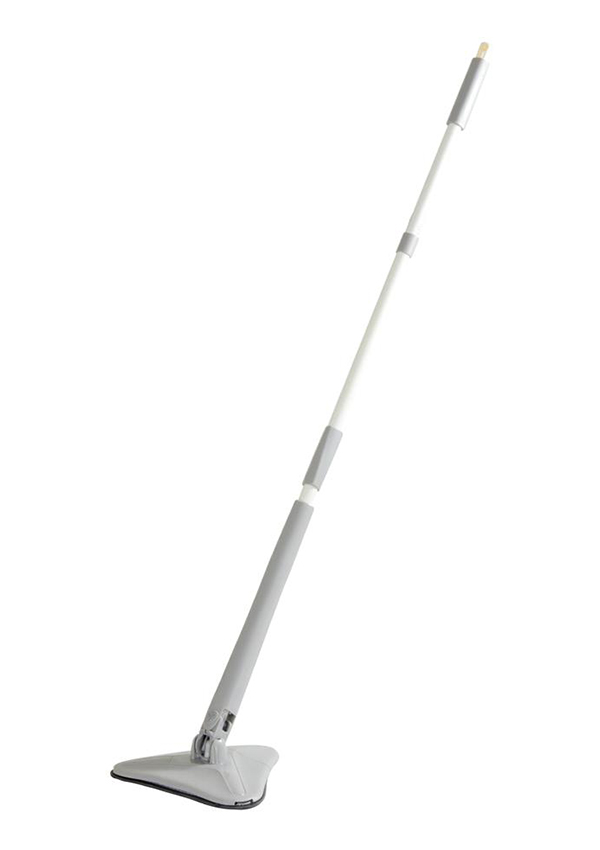
The procurement risk with refillable systems is fit. A refill that is slightly loose can spin on the handle, fall off during overhead work, or leave gaps where dust escapes. A handle that extends beyond the useful length may flex under pressure and make precise dusting harder. Buyers should test the assembled tool at full extension, check the locking mechanism, and confirm that replacement heads remain available in the same size and fiber specification. A folding magic duster is a practical example of a refillable format that suits overhead and awkward angles, provided the hinge tension and refill collar are consistent.
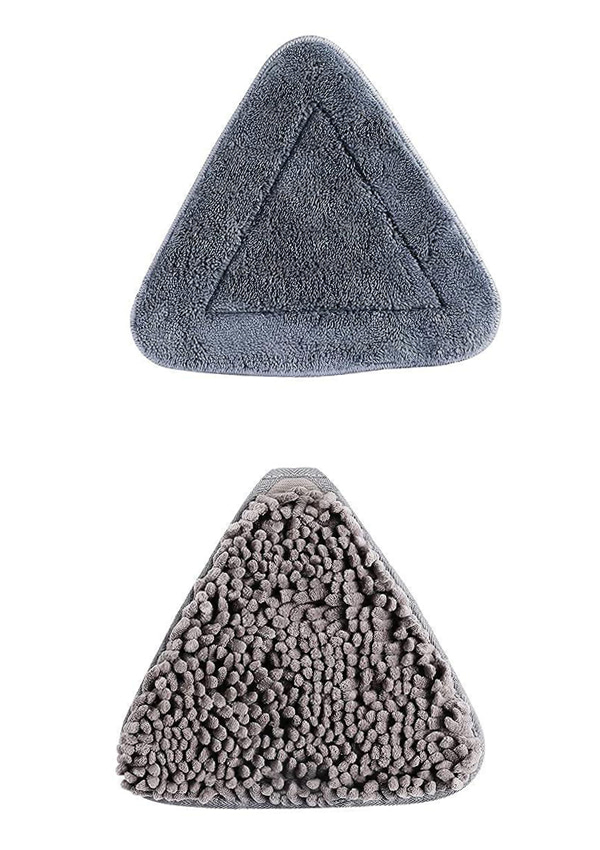 S1 Folding Magic Duster with Refillable Triangular HeadA folding triangular duster for corners, edges and narrow spaces, with soft dust-trapping fibers and a handle suited to overhead and awkward angles.View Product →
The technique professionals use: top to bottom, dry to damp, light pressure
Tool choice matters, but technique decides whether dust ends up in the duster or on the floor. Professional cleaners usually follow a sequence that controls gravity and moisture. The exact steps vary by room, but the logic is consistent:
- Start at the highest point and work downward. Dust from ceiling fans, crown molding, tops of cabinets, and picture frames should be removed before shelves and floors are cleaned.
- Work dry before damp. Loose dust is easier to capture with a dry microfiber or soft brush. A damp cloth is used after the bulk of the dust is gone, not as the first pass on a heavily dusty surface.
- Use light pressure. Pressing hard on a microfiber cloth can drag dust into the surface or leave streaks; pressing hard on a feather duster can bend fragile details.
- Turn or replace the duster before it becomes saturated. A loaded duster starts redistributing dust. Professionals keep spare cloths or refills within reach.
- Capture the fall-out. After overhead dusting, vacuum or damp-wipe the floor and nearby horizontal surfaces so the dust does not settle back onto clean areas.
- Match moisture to the finish. Sealed stone and glass can tolerate a slightly damp cloth; unfinished wood, paper, and some electronics should stay dry.
Air movement is another practical consideration. Open windows, fans, and heating vents can keep dust suspended while the cleaner works. In a professional cleaning sequence, high dusting is often done before floors are washed and before bedding or upholstery is disturbed. The cleaner may also use a vacuum with a brush attachment on curtains, upholstery, and vents because suction removes dust instead of moving it. A duster is not a substitute for a vacuum when the dust volume is high; it is a detail tool and a surface tool.
Buying considerations for households and trade buyers
For a household, two or three well-chosen dusters cover most rooms: a microfiber flat duster or multifunctional duster for general surfaces, a soft brush or shutter duster for grooves and blinds, and a microfiber feather duster for fragile decor. A long-handled refillable duster is worth adding if ceilings, ceiling fans, or high shelves are part of the routine. The mistake is buying many similar dusters that all do the same job. A more useful approach is to choose one duster per dust problem: flat surfaces, fragile surfaces, narrow gaps, and overhead reach.
For retailers, brands, and importers, the buying criteria are different. The duster must survive repeated use, washing, and replacement cycles while maintaining a consistent fit and appearance. Useful checks include fiber weight and density, stitch quality at the collar, colorfastness after washing, handle lock strength at full extension, refill compatibility, and packaging efficiency. A soft duster that sheds fibers is a customer-service problem; a refill that fits one batch but not the next is a supply-chain problem. Buyers should test samples on the surfaces the product is intended for, not only on a smooth table. Carved wood, blind slats, textured paint, and electronics vents reveal whether the duster shape and fiber stiffness are appropriate. It also helps to compare replacement cost per cleaning cycle rather than only the first purchase price. For a broader view of washable options, the microfiber duster range shows how head shape, handle length, and refill format change the practical use case.
The most reliable answer to what professional house cleaners use to dust is a disciplined mix of capture tools and low-dust technique. Microfiber does most of the work, soft fibers protect delicate surfaces, refillable systems control cost and hygiene, and a vacuum or damp cloth finishes the job. The duster itself is only as good as the sequence in which it is used.