A dust brush is the tool you reach for when a surface looks clean until the light hits it. The keyboard has a fine gray film between the keys. The window blinds carry a soft layer of grit. The vents above the refrigerator are fuzzed with lint and dust. A cloth smears that soil around, a vacuum may not fit, and a wet wipe can push dirt into seams. A small brush with flexible bristles lifts the particles instead, so they can be flicked away, vacuumed up, or rinsed down the drain.
That is the practical answer to what is a dust brush used for: it removes dry, loose dust from surfaces where a cloth, broom, or scrub brush is too large, too wet, or too aggressive. It is a detail tool, not a heavy-duty cleaner. The best version for a given job depends on where the dust sits, how fragile the surface is, and whether the brush will be used once a week at home or thousands of times in a commercial setting.
The most common uses are narrow or irregular surfaces: keyboard gaps, window tracks, blind slats, carved furniture, lamp shades, radiator fins, car dashboards, camera bodies, sewing machines, and the edges of appliance vents. A dust brush also earns its place before wet cleaning. Dry soil is easier to remove while it is still loose; once it is wet, it turns into mud that clings to texture and takes more effort to lift.
The Short Answer: A Dust Brush Lifts Dry Soil Before Wet Cleaning
A dust brush is a hand-held brush with a compact head and relatively soft or medium bristles. The bristles are usually arranged in rows or tufts, and the head may be round, oval, rectangular, or angled. The tool is designed to flick, sweep, and carry dry particles rather than scrub a surface. Its working action is simple: the tips of the bristles disturb dust that is sitting on a surface or lodged in a narrow gap, and the spaces between the bristles hold some of that dust until the brush is shaken out or rinsed.
This distinguishes it from several related tools. A broom is built for floors and large debris. A scrub brush is built for wet soil, grout, and stubborn film. A paintbrush can be used for fine dust in an emergency, but it is not made for repeated washing or for comfortable grip during household cleaning. A vacuum crevice tool removes high volumes of dust, but it needs power, a hose, and enough clearance. A microfiber duster traps dust on a larger surface, but it can drag across fragile objects and may not reach into tight seams. The dust brush sits between those tools: more precise than a duster, gentler than a vacuum nozzle, and drier than a cloth.
Its main jobs can be grouped into four categories:
- Detail dusting: keyboards, printers, phone speakers, camera bodies, sewing machines, and model displays.
- Gap cleaning: window tracks, sliding-door rails, blind slats, vent louvers, drawer runners, and appliance seams.
- Delicate surface cleaning: carved wood, picture frames, lamp shades, wicker, dried flowers, and decorative objects that should not be wiped with a wet cloth.
- Pre-cleaning: removing loose dust from skirting boards, stairs, upholstery, car interiors, and workshop benches before a vacuum or damp cloth is used.
It is not the right tool for sticky grease, dried food, paint, soap scum, or wet mud. Those soils need a cleaning agent, dwell time, and often a different brush or cloth. Using a dust brush on wet soil usually just clogs the bristles and spreads the mess. The tool works best when the soil is dry and the surface can tolerate light mechanical action.
A dust brush is a dry-detail tool; the best choice depends on soil type, surface fragility, and access.
| Tool |
Best use |
Strength |
Limitation |
Typical example |
| Dust brush |
Loose dust on uneven, narrow, or delicate surfaces |
Reaches seams and lifts dry particles with controlled pressure |
Small dust capacity; not for wet or sticky soil |
Keyboard, blind slats, vent grilles, carved wood |
| Microfiber duster |
Broad surfaces and overhead areas |
Traps dust on fibers and holds it |
Can drag on fragile items; less precise in tight gaps |
Shelves, fan blades, cabinet tops |
| Vacuum crevice tool |
High-volume dust and debris |
Strong suction and containment |
Needs power and clearance; may pull small parts |
Window tracks, car seats, appliance vents |
| Paintbrush |
Very tight or delicate detail work |
Soft tips and low cost |
Not designed for washing; may shed bristles |
Electronics, crafts, tight corners |
| Scrub brush |
Wet soil and stubborn film |
Stiff bristles and strong agitation |
Too aggressive for loose dust and fragile surfaces |
Grout, floor stains, outdoor furniture |
For buyers building a cleaning assortment, the dust brush category is often treated as a low-cost add-on, but it is also a useful entry point for detail-cleaning sets. A basic dust brush can sit beside a duster, a squeegee, and a compact broom without competing with any of them. The key is to define the job clearly: fine dust in tight spaces, not general floor sweeping.
 Dust Brushes for Fine Detail CleaningA focused dust brush category for fine particles in tight spaces, useful as a low-cost add-on to detail-cleaning assortments.View Product →
Where a Dust Brush Is Actually Used
The range of uses is wider than the name suggests. A dust brush is often sold as a household cleaning tool, but it also appears in offices, workshops, vehicles, studios, and repair benches. The common thread is not the room; it is the presence of dry particles on a surface that is difficult to wipe clean.
Keyboards, Electronics, and Small Vents
Keyboards are a classic example because the gaps between keys collect crumbs, lint, and fine dust, while the keycaps themselves can be damaged by excess moisture. A soft dust brush can sweep across the key field and along the rows without pressing grit into the plastic. The same approach works for printer vents, speaker grilles, game consoles, camera bodies, and the cooling fins inside a desktop computer. In these areas, the brush should be dry and clean, and the user should avoid pressing hard enough to bend delicate components.
Electronics also illustrate why material choice matters. A brush with sharp or stiff bristle tips can scratch soft display bezels or scratch printed labels. A brush that sheds fibers can leave debris behind. Soft synthetic bristles with rounded tips are often the safer choice for general electronics dusting, while natural bristles may be preferred for dry, delicate craft surfaces. Anti-static claims should be checked with test data rather than assumed from the word “anti-static” on the packaging.
Window Blinds, Shutters, and Tracks
Blinds and shutters collect dust on horizontal surfaces that are tedious to wipe one slat at a time. A slim dust brush can run along each slat and flick dust away without soaking the surface. For plantation shutters, the brush can be used with a light downward stroke so dust falls onto a vacuum nozzle or a drop cloth. Window tracks are another natural fit: the brush loosens compacted dust and grit from the corners, and a vacuum or damp cloth follows to remove it.
The mistake to avoid is brushing aggressively. Blind slats can bend, and painted or coated finishes can be marked by stiff bristles. Use a light touch, work from the top down, and clean the brush before moving to the next window. If the dust is greasy, as it can be in a kitchen window, a dry brush will not remove the film; a degreasing step is needed first.
Shelves, Books, Picture Frames, and Delicate Decor
Bookshelves are another place where a dust brush outperforms a cloth. The brush can run along the top edges of books, between book spines, and around decorative objects without knocking them over. Picture frames, carved wood, wicker, dried arrangements, and model figures also benefit from a light dry brush. The bristles can reach small recesses that a cloth cannot enter, and the brush can be shaken out outdoors instead of spreading dust back into the room.
For fragile decor, the brush should be used with almost no downward pressure. The goal is to lift dust, not to polish the surface. Keep a second clean brush or a soft microfiber cloth nearby for the final pass on glass or gloss surfaces, because a dust brush is not designed to leave a streak-free finish.
Upholstery, Stairs, and Car Interiors
On fabric upholstery, a dust brush can loosen surface dust and crumbs before vacuuming. It is especially useful along stitched seams, around buttons, and in the folds of sofa cushions. On stairs, the brush can sweep the edges of each tread where a full-size broom struggles. In cars, it can reach dashboard vents, seat rails, center-console seams, and the narrow gap between the seat and the console.
Use care on leather, vinyl, and coated fabrics. A stiff brush can dull or scratch the finish, so choose a soft brush and test a hidden area first. For heavy sand or road grit, a vacuum is usually faster and safer than brushing, because brushing can grind particles into the surface.
Workshop, Hobby, and Detail Cleaning
Workshops use dust brushes for sawdust, drywall dust, and powder around tools. Hobbyists use them for model kits, miniature scenery, sewing machines, and 3D printers. Cleaners use them around faucet bases, toilet hinges, and cabinet corners before disinfection. In each case, the brush is a controlled way to move dry soil out of a tight area and into a vacuum or cloth.
One caution applies across all these settings: do not use the same brush for bathroom cleaning and food-contact areas. A brush used around a toilet should be marked or stored separately. For hygiene-sensitive environments, choose a brush that can be washed, disinfected, and dried fully, or use a low-cost brush that is replaced often.
Bristle Types and What They Mean for Performance
Bristle material is the most important specification after size. It affects stiffness, scratch risk, dust pickup, water resistance, and how long the brush keeps its shape. Material alone does not tell the whole story, however. Bristle diameter, length, trim, tuft density, and tip shape all change the feel. A thick nylon bristle can feel stiff, while a fine nylon bristle of the same length can feel soft. A densely packed brush feels firmer than a sparse one.
Bristle stiffness is influenced by material, diameter, length, trim, and packing density, so the same material can appear in soft and firm brushes.
| Bristle type |
Typical feel |
Good for |
Watch-outs |
| Soft natural bristle, such as horsehair or goat hair |
Soft, flexible, fine tips |
Delicate decor, electronics, picture frames, tight dry dust |
Animal origin may require material declarations; can shed; not ideal for repeated wet cleaning |
| Soft synthetic, such as fine nylon or polyester |
Soft to medium, predictable |
General household dusting, keyboards, blinds, vents |
Static can attract dust; check tip rounding and heat resistance |
| Mixed bristle |
Balanced stiffness |
Surfaces that need both reach and gentle agitation |
Performance varies widely by blend; ask for a sample |
| Microfiber bristle or microfiber-edged head |
Soft, dust-trapping |
Fine dust on smooth surfaces and decorative edges |
Needs washing; can mat down after heavy use |
| Stiff synthetic |
Firm, springy |
Outdoor equipment, grilles, tough dry debris |
Can scratch delicate finishes; not a substitute for a scrub brush |
For most household dusting, a soft synthetic brush is the most practical default. It tolerates occasional washing, does not carry animal-origin documentation issues, and can be produced in consistent colors and stiffness grades. Natural bristles still have a place in premium or craft-oriented products because they feel softer and can be marketed as a traditional material. The right answer depends on the surface list: a brush sold for keyboards should not be the same stiffness as a brush sold for outdoor grills.
Tip shape deserves more attention than it usually gets. Rounded or flagged tips are gentler than cut tips. Flagging splits the end of a bristle into a softer brush-like tip, which improves dust pickup and reduces scratch risk. Cut tips are more durable and easier to clean but can feel sharper. For painted furniture, piano finishes, and clear plastics, rounded tips are worth specifying.
Sizes, Shapes, and Handle Designs
A dust brush should match the size of the opening it needs to enter. A large brush is faster on shelves and upholstery but useless between keyboard keys or inside a narrow vent. A small brush reaches detail areas but takes longer on broad surfaces. Many households end up with two sizes: a compact brush for electronics and tight seams, and a medium brush for blinds, skirting boards, and vehicle interiors.
Head shape matters as much as head width. A flat rectangular head works well on flat surfaces and along slats. A round or oval head can roll into curved corners. An angled neck helps keep the wrist in a neutral position when cleaning overhead vents or the tops of door frames. A pointed or tapered head can enter a seam that a rectangular head cannot. Some brushes combine a narrow tip with a wider body, which is useful for cleaning a vent grille in one pass.
Handle design is often overlooked until the brush is used for more than a minute. Short handles give direct control and fit inside a drawer, but they are tiring for overhead work. Long handles reduce reaching, but they add leverage that can press the bristles too hard against a fragile surface. A rubberized grip helps in a wet or dusty hand, but it also adds material and cost. For retail products, a hanging hole is a small feature with real value because it keeps the brush off the counter and allows it to dry.
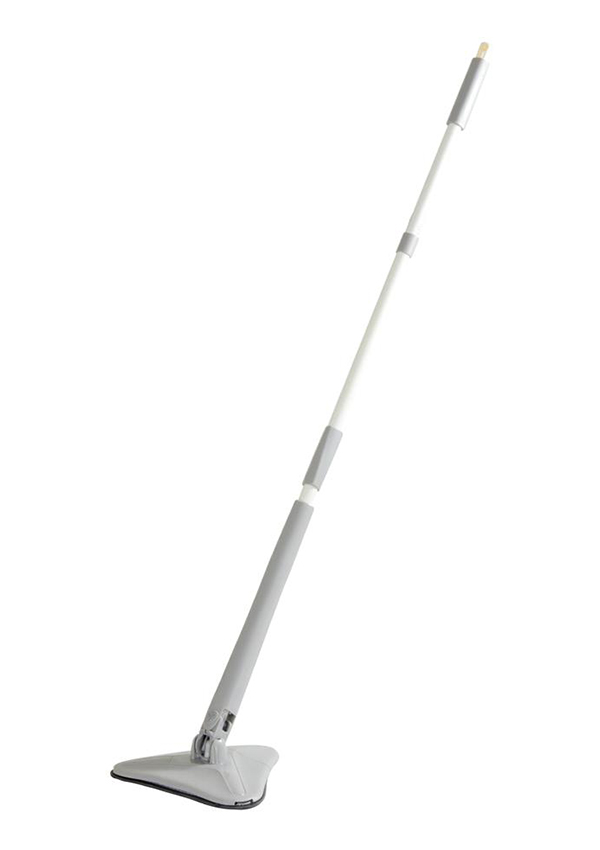
There is also a category of folding or compact detail dusters that are not traditional hand brushes but serve a similar role. They are useful for blinds, shelves, and travel cleaning because the head can be folded or covered. They should not be confused with a stiff dust brush for vents and tracks; the fiber head traps dust, while the brush head flicks it loose.
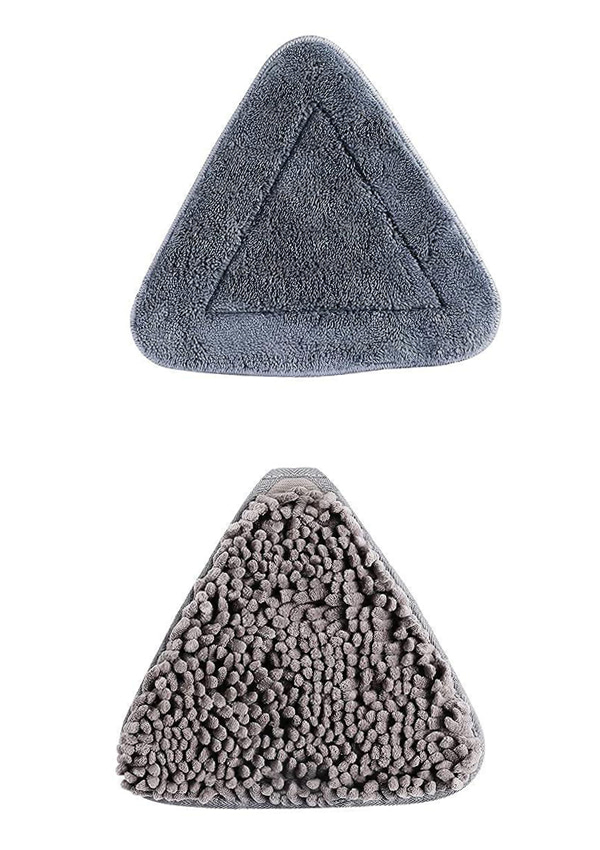 S1 Folding Magic Duster for Everyday Detail DustingA foldable triangular duster for corners, blinds, electronics, and vehicle interiors, with soft dust-trapping fibers and an ergonomic handle.View Product →
Materials and Build Quality: What Buyers Should Check
The handle and ferrule decide whether a dust brush survives repeated use. A hollow, thin-walled handle can flex and crack at the neck. A ferrule that is glued but not mechanically secured can loosen after washing. Bristles that are stapled or tufted without enough anchoring can pull out during normal dusting. These are not abstract quality issues; they show up as loose bristles on a keyboard, a wobbly head on a blind slat, or a handle that snaps when the user applies a little too much pressure.
For household products, look for a handle with a comfortable thickness, a smooth finish, and no sharp mold lines. The brush head should be firmly attached, with no gap between the ferrule and the handle. Bristles should be evenly trimmed and densely packed enough to hold their shape. If the brush is sold as washable, the handle and ferrule should tolerate water and mild detergent without discoloration or swelling. Wood handles need a properly sealed finish; plastic handles should be checked for sink marks and stress cracks around the neck.
For professional or retail buyers, request a specification drawing with nominal dimensions and tolerances. Check the bristle diameter, trim length, tuft pattern, handle material, and assembly method. Ask for a tuft pull-out test, a handle drop test, and a wash-cycle test if the product claims to be washable. If the brush is marketed for electronics, ask about tip rounding and static behavior. If it is marketed for outdoor use, check UV stability and heat resistance. These tests do not need to be complicated, but they should be written into the purchase specification so that samples and mass production are judged by the same criteria.
Packaging also affects the product experience. A brush that is packed loosely can arrive with bent bristles. A hang card that is too narrow can tear in retail display. A brush sold as part of a set should have a consistent color and finish with the other tools. These details matter because a dust brush is often an impulse purchase or a low-cost add-on; the buyer notices bent bristles before they notice a lower price.
Dust Brush vs. Microfiber Duster vs. Vacuum
The choice between these tools is mostly about soil volume and surface geometry. A dust brush is best for a small amount of dry dust on a surface that needs precision. A microfiber duster is better for a larger area where the fiber can trap dust and hold it. A vacuum is better when the dust volume is high, when the dust is unpleasant to disturb, or when the surface can tolerate suction.
In practice, the tools often work as a sequence. On a window track, a dust brush loosens the compacted grit, and a vacuum removes it. On a bookshelf, a dust brush lifts dust from the top edges of books, and a microfiber cloth catches the fine residue on the shelf surface. On a keyboard, a soft brush loosens crumbs, and a vacuum with a small nozzle lifts them away. Using the brush first reduces the amount of dust that the vacuum filter has to capture and lowers the chance of scratching a surface with grit.
For a broader comparison of brush types used in cleaning, this guide on what type of brush is used for cleaning is a useful reference. The key distinction is that a dust brush is not a scrub brush with a smaller head. Its bristles are chosen for dry particle pickup, not for wet agitation or deep stain removal. If a job needs water, detergent, and pressure, a dust brush is the wrong tool.
How to Choose a Dust Brush for a Specific Cleaning Job
A practical selection process starts with the surface, not the brush. Ask three questions: what is the soil, where is it sitting, and how much pressure can the surface take? The answers narrow the choice quickly.
- Identify the soil. Loose household dust, lint, pet hair, sawdust, drywall powder, and sand behave differently. Lint and pet hair cling and may need a rubber-edged tool or a vacuum. Sand and grit are abrasive and should be lifted rather than scrubbed.
- Check the surface fragility. Clear plastics, piano finishes, painted wood, leather, and screen-printed labels scratch easily. Choose soft bristles with rounded tips. Bare metal, concrete, and outdoor grilles can take a firmer brush.
- Measure the access gap. A brush that is too wide will ride over a vent slot instead of entering it. A brush that is too narrow will take too long on blinds. If possible, measure the narrowest opening and the largest surface the brush must cover.
- Decide on wet or dry use. Most dust brushes are dry-use tools. If the brush will be washed, confirm that the ferrule and handle are water-resistant and that the bristles will not mat permanently.
- Consider storage and hygiene. A hanging hole, a removable head, or a small storage cap can make the difference between a brush that is used and one that is lost in a drawer. For bathroom use, choose a separate brush or a washable design.
For a household, one soft medium brush and one compact brush cover most needs. For a car, a slightly firmer brush for vents and rubber mats may be useful, but it should be kept separate from the interior trim brush. For a workshop, a brush with a longer handle and firmer bristles can handle bench dust, but it should not be used on finished furniture. For a retail assortment, the range should show a clear difference in size and stiffness; three brushes that look almost the same confuse the shopper and increase the risk of returns.
Price should be judged against the number of useful years, not the shelf price alone. A very cheap brush with loose bristles may cost more in replacements and in customer complaints. A well-made brush with a comfortable handle and properly anchored bristles is usually the better value, even if it costs a little more at the outset.
Cleaning, Care, and Replacement
A dust brush loses performance when the bristles are matted with oily dust or when the spaces between the tufts are packed with debris. Regular cleaning is simple. Shake the brush outdoors or over a waste bin, then tap the head against a hard surface to loosen dust from the tufts. If the brush is washable, rinse it in warm water with a small amount of mild detergent, work the bristles gently with your fingers, and rinse until the water runs clear. Shake out excess water and dry the brush bristle-down in a well-ventilated area. Do not stand it on the bristles while wet, because that can bend them.
For hygiene-sensitive use, follow the manufacturer’s disinfection instructions. A dishwasher-safe claim should be verified, because heat can warp some plastic handles and loosen glue. Alcohol or disinfectant sprays may damage natural bristles or wood handles, so test a small area first. If the brush is used around a toilet or a pet area, keep it separate from brushes used on food-contact surfaces and wash it after each use.
Replace the brush when the bristles are permanently bent, when tufts are falling out, when the ferrule is loose, or when the handle has cracks that can trap water. A brush with a wobbly head is not worth repairing unless it is a premium product with a replaceable head. For commercial cleaning, set a replacement interval based on use rather than waiting for visible failure; a worn brush may still look acceptable while it is spreading dust instead of lifting it.
- Shake out dry dust after every use.
- Wash only if the product is labeled washable.
- Dry bristle-down and away from direct heat.
- Store separately from toilet brushes and chemical bottles.
- Inspect tufts and ferrules monthly in heavy-use settings.
Common Mistakes and Safety Notes
The most common mistake is using too much pressure. A dust brush works through the tips of the bristles, not through the whole body of the brush. Pressing hard bends the bristles, reduces their reach into gaps, and can grind abrasive dust into the surface. A light, repeated stroke is usually more effective than one heavy pass.
Another mistake is using a dust brush on wet soil. Grease, milk, paint, soap scum, and mud need a different approach. The brush will clog, the soil will smear, and the brush may be difficult to clean afterward. If the surface is wet, stop and use a cloth or a scrub brush suited to wet cleaning.
Cross-contamination is a real concern in households with allergies, pets, or infants. A brush used on a bathroom floor should not be used on a kitchen counter or a keyboard. Color-coding or separate storage helps. In professional cleaning, a written color code and a cleaning procedure are more reliable than relying on memory.
Finally, respect the surface. Test a new brush on an inconspicuous area of painted wood, leather, clear plastic, or coated metal. If the brush leaves a mark, a haze, or a scratch, stop. A soft brush is not automatically safe for every finish, and a stiff brush is not automatically better at picking up dust.
For electronics, avoid brushing near an open power supply or a running fan unless the equipment is designed for user cleaning. For vehicles, avoid using a dry brush on grit-heavy paint; loosen the grit with water first, or use a vacuum, to reduce the risk of scratching the clear coat.
For Buyers: Sourcing and Quality Control
For a brand, retailer, or distributor, a dust brush looks simple but has several specification points that affect returns and customer satisfaction. The bristle material and stiffness should match the intended surface. The head size should match the target cleaning gap. The handle should be comfortable and strong enough for the expected pressure. The packaging should protect the bristles and communicate the use clearly. These are the details that separate a useful detail brush from a disposable novelty.
A supplier with in-house injection molding and brush assembly can usually control color, handle shape, and bristle trim more consistently than a trader who sources finished goods from multiple workshops. The buyer should still ask for the process flow: who molds the handle, who supplies the bristles, who assembles the head, and who performs final inspection. A clear answer is a good sign. A vague answer is a reason to ask for a factory audit or a pre-production sample.
Quality control should cover both appearance and function. Inspect for sharp edges, sink marks, loose bristles, uneven trim, and gaps between the ferrule and handle. Test the brush on a representative surface: a painted panel, a plastic vent grille, a fabric swatch, or a blind slat. Check that the bristles do not scratch, shed, or leave lint. For washable products, run a short wash-and-dry cycle and inspect for deformation. For retail packaging, check that the brush survives a drop test and that the hang card does not tear under its own weight.
Compliance questions depend on the market. Natural bristles may require material-origin information. Plastic handles may need material identification for recycling claims. Anti-static or antibacterial claims need supporting test data. If the brush is sold with a cleaning kit, the packaging and instructions should explain which tool is for which surface, because the customer will otherwise use the stiffest brush on the most delicate surface.
Compact detail tools are often added to cleaning kits to increase perceived value, but they should still be useful. A mini duster or small detail brush that reaches keyboard gaps, drawer corners, and car vents earns its place in a set. It should be easy to store and clearly different from the larger brushes in the range.
 Q10 Mini Duster for Compact Detail CleaningA small microfiber duster for keyboards, drawer corners, and car vents, with non-slip grip and fine-dust-trapping fibers.View Product →
The Practical Answer
A dust brush is used for dry, loose dust on surfaces that are too narrow, too irregular, or too delicate for a cloth, broom, or scrub brush. It is the tool that lifts the gray film from a keyboard, the grit from a window track, the dust from blind slats, and the crumbs from a sofa seam. It is also a pre-cleaning tool: by removing dry soil first, it makes the wet step faster and reduces the risk of smearing dirt into texture.
Choose the brush by job, not by name. A soft brush with rounded tips suits electronics, carved wood, and painted surfaces. A medium brush with a slightly firmer head suits blinds, vents, and upholstery. A compact brush with a narrow tip suits seams and tracks. A folding duster or microfiber detail tool can complement the brush, but it does not replace the dry-lift action of bristles in a tight gap.
The best dust brush is the one that reaches the dust without damaging the surface and can be cleaned without losing its shape. That is a simple standard, but it explains why a well-specified low-cost tool can outperform a fancy one that is too stiff, too wide, or too difficult to wash. Match the bristle, size, and handle to the surface, use light pressure, clean the brush regularly, and keep bathroom and food-area tools separate. That is the whole job, and a dust brush does it well.