A thin layer of gray dust has settled across the top of a bookshelf, the back of a desk monitor, and the slats of venetian blinds. A cotton rag pushes most of it into the air; a paper towel smears the rest. A microfiber cloth, used correctly, lifts and holds the dust in one pass. That is the conclusion upfront: microfiber is the most effective everyday dusting material because it combines electrostatic attraction, split-fiber construction, and a low-lint weave. But the cloth alone does not do the work. How you fold it, move it, wash it, and match it to a surface determines whether you finish with clean areas or just relocated dust.
This guide explains the practical steps for dusting with a microfiber cloth, from selecting the right GSM and weave to cleaning electronics, wood, glass, and hard-to-reach spots without spreading dust. It also covers the care routine that keeps the cloth effective for years.
Why Microfiber Outperforms Ordinary Dusting Cloths
Microfiber is not a special coating or a brand of cloth. It is a densely woven textile made from ultra-fine synthetic filaments, typically polyester and polyamide. During manufacturing, the filaments are split so that each one develops microscopic wedge-shaped grooves and air spaces. When you wipe a dry microfiber cloth across a dusty surface, two things happen. The rubbing action creates static electricity, which draws dust toward the cloth. At the same time, the split fibers act like tiny claws that grip particles and pull them into the spaces between filaments.
Cotton rags and paper towels do not have this structure. Cotton fibers are smooth and rounded, so they tend to push dust across a surface. Paper towels absorb moisture but cannot trap dry dust effectively. A microfiber cloth keeps the dust on the cloth, not floating in the air, which makes it especially useful for people with allergies and for surfaces that are difficult to reach again after they are soiled.
Why microfiber’s fiber structure makes it effective for dry dusting.
| Feature |
How it works |
Dusting benefit |
| Ultra-fine split fibers |
Filaments are split into wedge-shaped micro-grooves |
Dust particles are trapped inside the cloth rather than pushed along |
| Electrostatic charge |
Synthetic fibers generate static as they rub against surfaces |
Dry dusting attracts particles without spray or chemicals |
| Capillary action |
Tiny channels pull moisture between fibers |
Damp dusting removes sticky films and fine particles |
| Dense weave structure |
Tightly packed loops or flat suede surfaces create a large contact area |
One pass covers more surface and reduces re-depositing dust |
Choosing the Right Microfiber Cloth for Dusting
Not all microfiber cloths perform the same way on dust. A thick plush towel that is excellent for drying a car or wiping up a spill can be awkward for dusting a shelf because its deep pile pushes debris ahead of the cloth. For normal household dust, a smooth suede-like microfiber or a short-nap general-purpose cloth gives the best balance of contact and control.
Weight is expressed in grams per square meter, or GSM. A cloth around 180 to 250 GSM is light and compact, ideal for dry dusting and for carrying around the house. Heavier cloths at 300 to 400 GSM feel plush and absorbent, but their larger loops are better suited to wet cleaning. If you want one cloth that can do both, choose a mid-weight everyday microfiber and reserve the plush version for spills and damp wiping.
Edge construction matters more than most people realize. Unfinished edges fray and shed lint onto the very surface you are cleaning. Laser-cut or ultrasonic-trimmed edges stay flat through many washes. The cloth should also feel smooth when you run your hand across it; a rough or scratchy texture can damage polished wood and screens.
Common microfiber cloth types and their suitability for dusting.
| Cloth type |
Texture |
Best use |
Dusting rating |
| Suede / short-nap microfiber |
Smooth, dense, chamois-like |
Dry dusting furniture, electronics, blinds |
Excellent |
| Waffle-weave microfiber |
Raised squares, lightweight |
Glass, mirrors, streak-free finishing |
Good |
| Plush / terry microfiber |
Soft, thick, absorbent |
Wet cleaning, spills, bathrooms |
Fair for dry dusting |
| Knit microfiber |
Stretchy, smooth |
Polishing and detailing |
Fair |
| Disposable non-woven wipes |
Single-use thin sheet |
Quick pickup when no laundry is available |
Poor for repeated use |
For most rooms, a single all-purpose microfiber cloth is enough if you fold it properly and change to a clean fold when the surface becomes soiled.
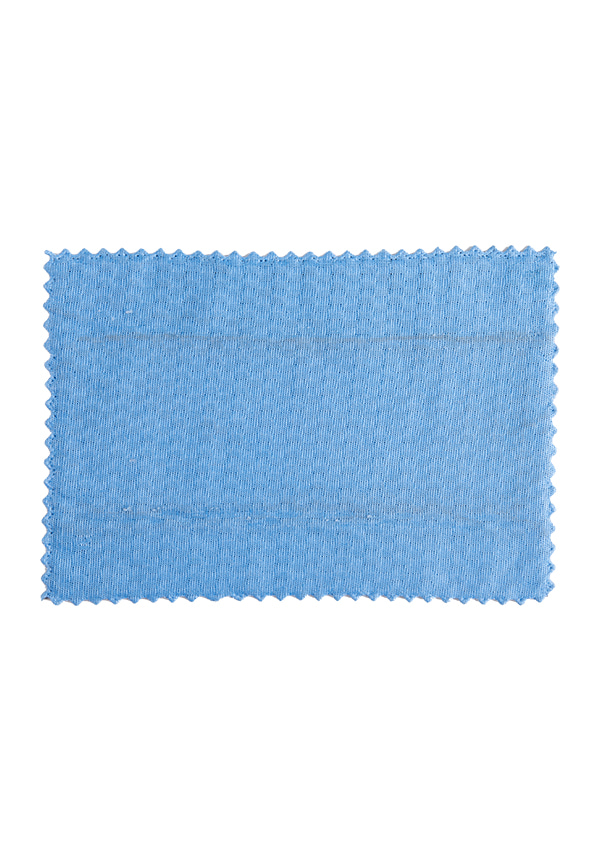 Microfiber All-Purpose Cleaning Cloth for Dust and Streak-Free SurfacesThis washable microfiber cloth absorbs up to seven times its weight in water and uses ultra-fine fibers to capture dust and oils on tiles, wood, and polished floors. Its durable, lint-free design suits repeated use.View Product →
If you need a broader comparison, our guide to what kind of cloth is best for cleaning explains how cotton, non-woven, and microfiber materials behave in real use.
Preparing to Dust
Preparation prevents wasted effort and stops dust from moving to surfaces you have already cleaned.
- Use a clean, completely dry microfiber cloth. A damp cloth may leave moisture on wood and is less effective at generating static charge.
- Fold the cloth into quarters so you have eight cleaning surfaces. Keep the folded cloth flat in your palm rather than bunched in your fingers.
- Remove rings and watches that can snag the fabric or scratch furniture.
- Start at the highest point in the room: ceiling corners, top of shelves, door frames, and light fixtures. Dust falls as you work, so cleaning from top to bottom means you will not have to redo lower surfaces.
- Vacuum or sweep the floor after dusting, not before, so the dust that settles on the floor is captured at the end.
The Basic Dusting Technique
The correct motion is long and straight, not circular. A circular motion can create a small dust roll, and it is harder to keep pressure even. Place the folded cloth flat against the surface and wipe from one end to the other, lifting the cloth at the end of each stroke. Use light pressure; microfiber works by attracting and trapping dust, not by scrubbing it off. Too much pressure compresses the fibers and reduces the space between them, so dust slides rather than sticks.
Check the cloth after every couple of passes. When one side is visibly gray, refold the cloth to expose a clean side. If all eight sides are soiled and the room is not finished, switch to a fresh cloth. This may seem wasteful, but using a dirty cloth is the main reason dusting sometimes leaves streaks and lint behind.
A useful habit is to dust before doing other cleaning tasks. Once the cloth has collected dust, put it directly into a laundry bag or the wash bin instead of dropping it on a counter, where loose particles can settle.
How Dust Type Changes the Cloth’s Work
Not all dust is the same. Loose surface dust, such as the gray layer on a shelf, is best removed dry because the electrostatic charge pulls it into the cloth. Greasy kitchen dust, usually found on upper cabinets and range hoods, is a mix of oil droplets and fine particles; a dry cloth smears it. A slightly damp microfiber cloth handles that film, but you need a dry side to finish. Construction dust, plaster dust, and fine sand are more abrasive; use a separate cloth and never add pressure, because these particles can scratch glossy finishes.
Pet hair is not dust, but microfiber also lifts it well. The hair clings to the fiber surface, and the split filaments hold it until you peel or shake the cloth outdoors. A rubber-gloved hand or a lint roller can remove the hair from the cloth before washing if it does not release in the machine.
How to Dust Different Surfaces
Wood Furniture and Paneling
Use a dry, smooth microfiber cloth on wood. Wipe in the direction of the grain and use almost no downward pressure. Wood finish is durable, but dust can be abrasive when rubbed hard with cloth fibers. Do not use polish on the cloth unless the furniture needs conditioning; plain dry microfiber removes the dust without building up wax layers.
Electronics, Screens, and Keyboards
For televisions, computer monitors, and laptop screens, use a dedicated microfiber cloth that has never been treated with detergent or cleaning spray. Wipe the screen with a light, straight motion; if a fingerprint does not come off, breathe on the spot or dampen the cloth very slightly with clean water. Do not spray liquid directly on electronics. Screens are often coated, and an abrasive cloth or heavy pressure can damage the finish.
Glass, Mirrors, and Polished Metal
Dry dusting removes loose particles. For a smear-free finish, follow with a slightly damp waffle-weave microfiber cloth, then buff with a dry section of the same cloth. The key is to use two different sides so the damp side lifts the film and the dry side removes the moisture before it dries into a streak.
Blinds and Shutters
Close the slats in one direction and wrap the cloth around a slat with your fingers on either side. Slide the cloth from one end to the other, then turn the slats and repeat. For vertical surfaces, fold the cloth into a small pad and wipe each vane from top to bottom. This method deposits the dust onto the cloth rather than knocking it onto the windowsill.
Bookshelves, Picture Frames, and Ornaments
Dust the top edges first, then each shelf. For books, do not wipe every spine; hold a cloth against the top edge of a row of books and pull it along to gather dust from the exposed upper edges. Small ornaments should be lifted and wiped underneath, because dust often collects in the area that is hidden from view.
Floors and Baseboards
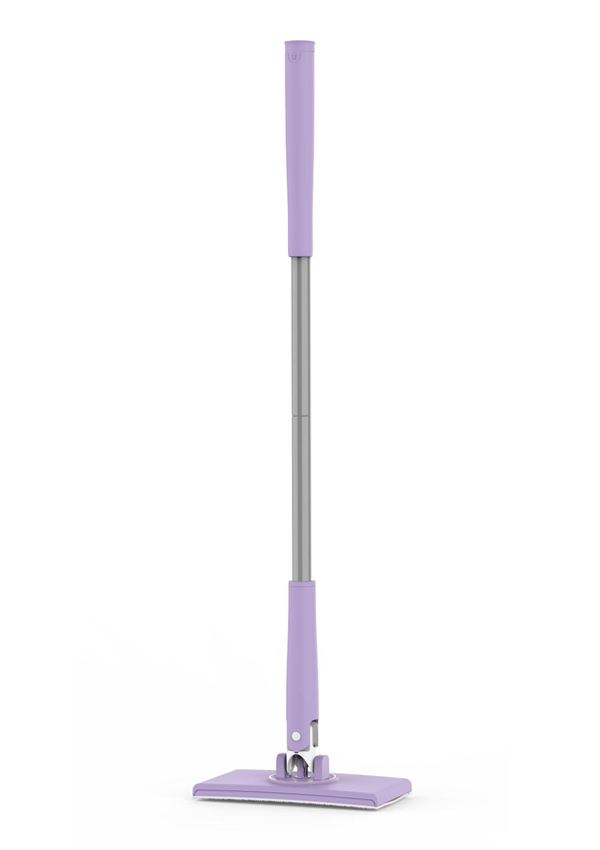
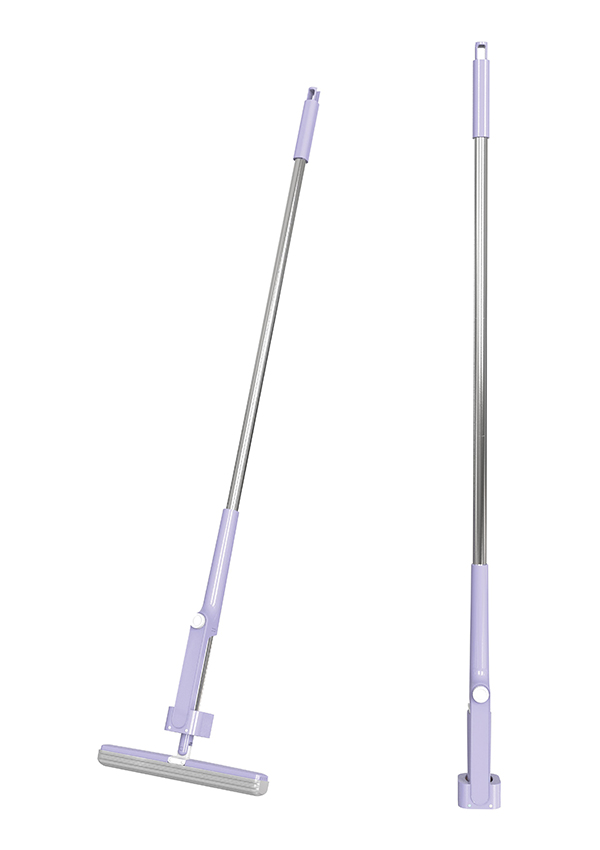
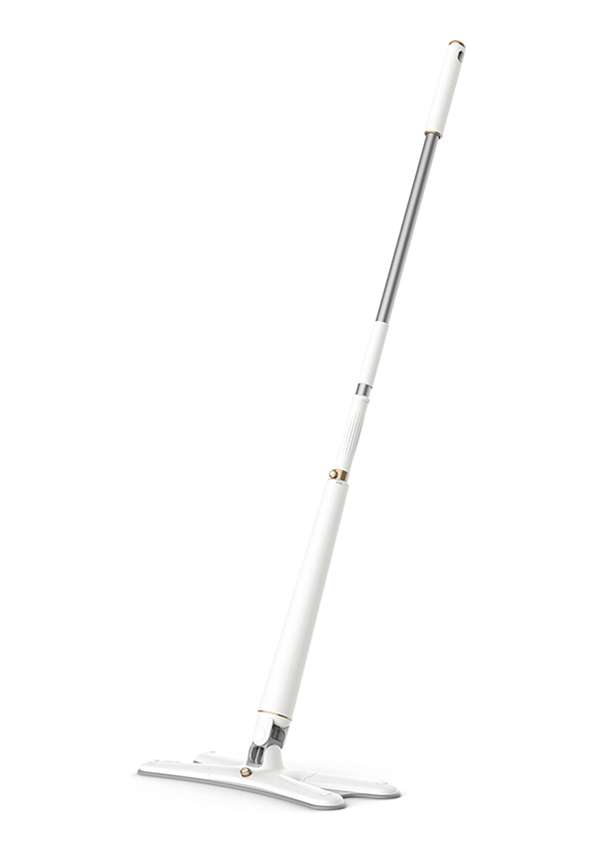
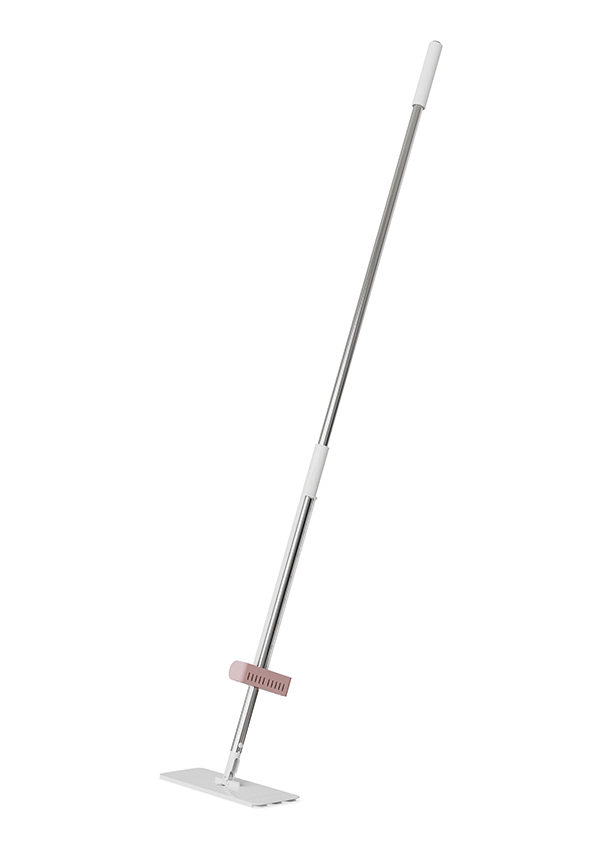
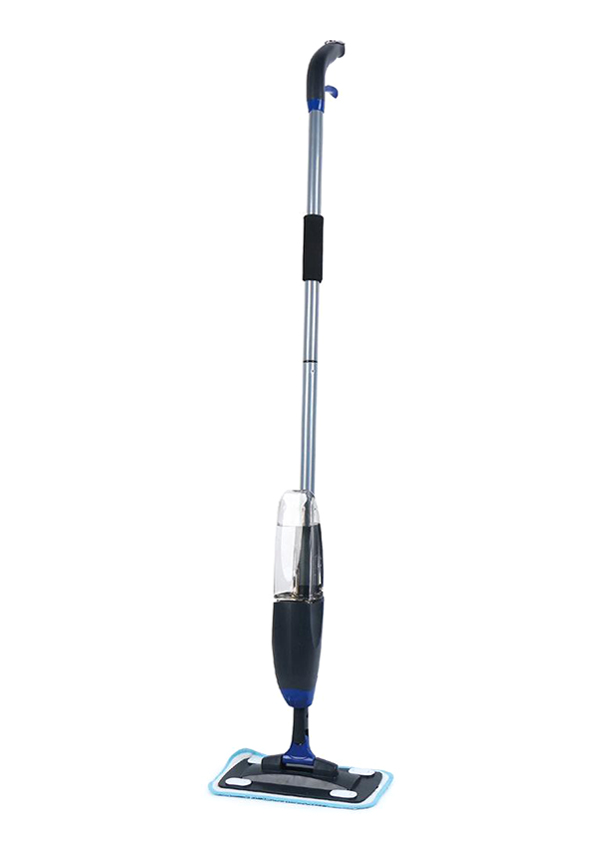
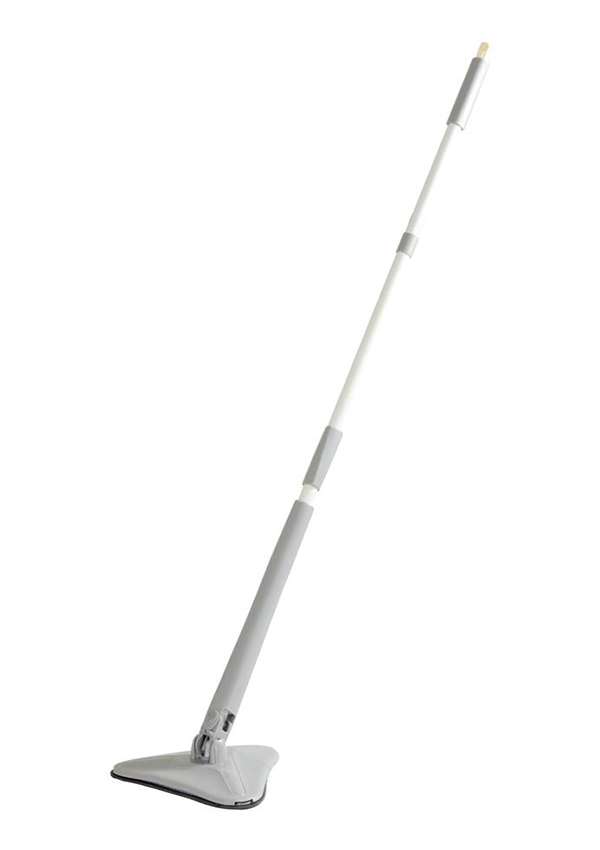
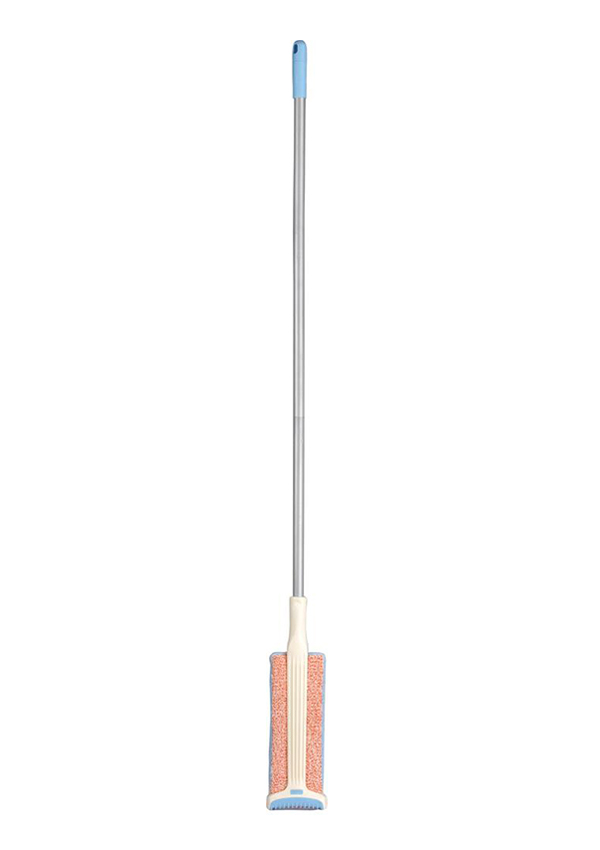
A handheld cloth is slow for large floor areas. A microfiber flat mop with a washable pad reaches under furniture and covers more ground in a single pass. Use it dry on hard floors; the electrostatic action lifts dust and pet hair without scattering them. For baseboards, fold a cloth around your index finger and run it along the top edge and facing surface.
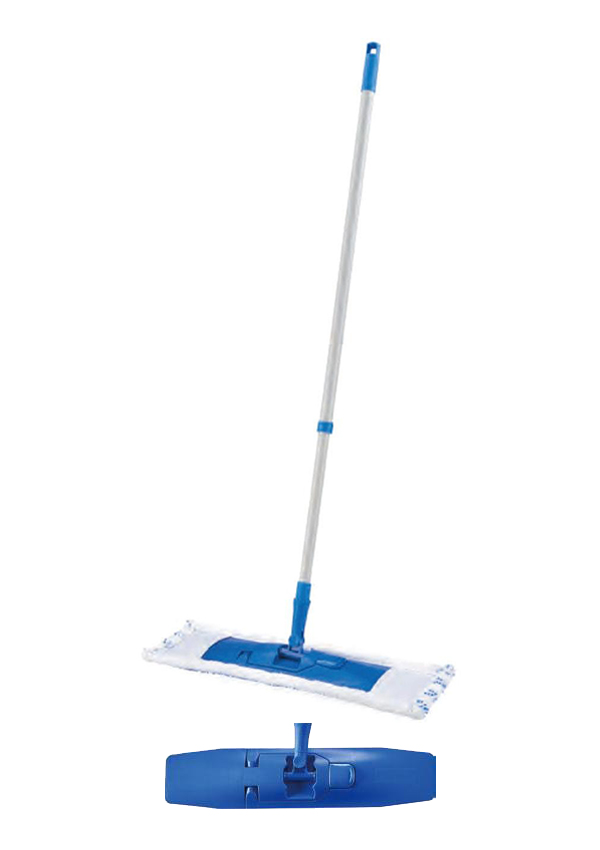 P8 Microfiber Floor Cleaning Mop with Wide Aluminum BaseThis flat mop pairs a sturdy aluminum handle with a large microfiber pad that lifts dust and hair on tile, wood, or stone. Its widened head and secure fabric clips cover more area efficiently for wet or dry cleaning.View Product →
High Shelves, Ceiling Corners, and Light Fixtures
When dust is out of reach, a microfiber duster with a flexible or extendable head provides the same electrostatic pickup as a cloth while keeping your feet on the ground. Use it before wiping lower surfaces, because the dust will fall.
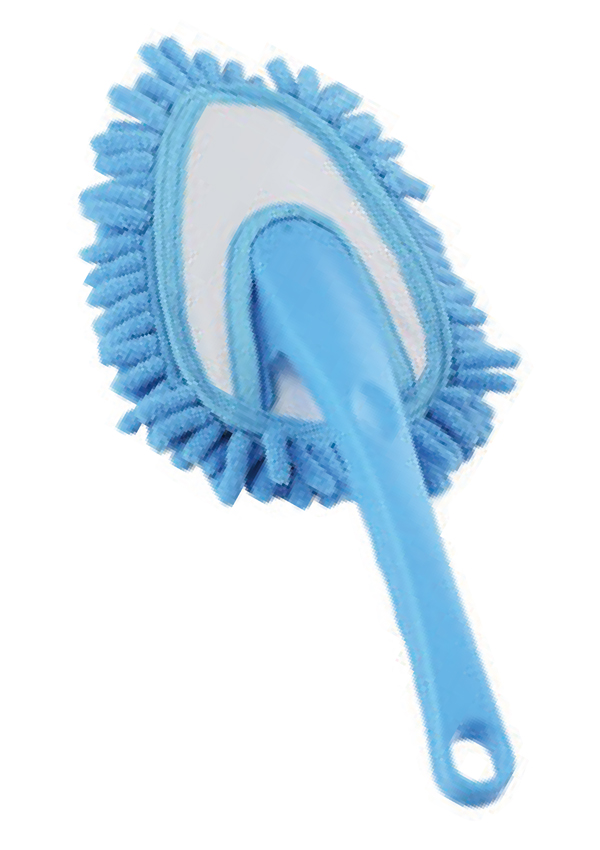 Q7 Microfiber Multi-Functional Duster with Adjustable HandleThis duster offers both short and long handles, with chenille or coral fleece heads that use static adsorption to capture fine particles without scattering dust. It is suitable for high shelves and delicate surfaces.View Product →
When to Use a Damp Cloth
Dry microfiber is the default for dust, but some situations require a slightly damp cloth. Kitchen cabinet fronts, bathroom counters, and windowsills often have a greasy film that dry dusting cannot lift. For those areas, dampen the cloth until it feels cool and slightly moist, not wet, and wipe the surface once. Follow immediately with a dry section of the cloth to remove moisture before it evaporates.
Do not use fabric softener, floor polish, or scented sprays on a microfiber dusting cloth. The chemicals fill the spaces between the split fibers and make the cloth less effective at attracting dust. If you need to sanitize a surface, use a microfiber cloth with a manufacturer-approved disinfectant, then rinse and wash the cloth thoroughly.
Common Mistakes That Reduce Dusting Performance
- Using fabric softener when washing. Fabric softener coats the fibers and destroys the static charge that makes dust cling.
- Drying microfiber on high heat. High temperatures can melt or fuse the split fibers, turning a soft cloth into a stiff, lint-shedding sheet.
- Pressing too hard. Heavy pressure pushes dust around instead of into the cloth.
- Wiping in circles. Circular motions create small balls of dust and make it harder to avoid missing patches.
- Using a visibly dirty cloth. Once the surface of the cloth is covered with dust, it cannot trap more; it simply smears.
- Washing microfiber with cotton towels. Cotton lint transfers to the microfiber and then reappears on your furniture as streaks.
- Using the same cloth for every room. Cross-contamination matters if you are dusting around food, pets, or hygiene areas; use separate cloths or wash between rooms.
- Ironing microfiber. Ironing collapses the micro-grooves and may melt synthetic fibers.
Washing and Caring for Microfiber Cloths
The cleaning power of microfiber depends on the fibers staying split and open. Proper washing preserves those gaps; harsh washing destroys them. Follow this routine to keep cloths active for hundreds of uses.
- Shake or rinse heavy dust outside before washing. This prevents dust from loading the washing machine.
- Wash microfiber separately from cotton and other lint-producing fabrics. The load should be no more than half full so cloths can move freely.
- Use warm water, not hot. A temperature around 40 to 60°C is usually safe, but check the label. Very hot water can weaken the polyamide core.
- Use a small amount of liquid detergent without bleach or fabric softener. Do not use dryer sheets either; their residue blocks the micro-grooves.
- Dry on low heat or hang dry. Air drying is the gentlest option and avoids any risk of overheating.
- Store dry cloths in a closed drawer or bag so they do not pick up sawdust or lint from the air.
If a cloth becomes contaminated with oil, grease, or cleaning chemicals, wash it promptly. Stained microfiber can still be used, but do not switch it to food-contact surfaces. Our complete guide to microfiber cleaning cloths, uses, and care includes more detail on stain removal and disinfecting protocols.
How Often You Should Dust
There is no single universal dusting schedule. A home with two people, no pets, and windows that are kept closed may need dusting only once every two weeks. A house near a busy road, with pets, forced-air heating, or frequent open windows, may need dusting twice a week. The visible test is simple: run a clean finger across a flat surface. If you see a clear line of dust, it is time to dust.
Dust does not stop at horizontal surfaces. Exposed vertical areas such as wall seams, door tops, and cabinet tops accumulate dust more slowly but still need attention. Incorporate them into a monthly or seasonal cycle if they are not included in the weekly pass.
Using Microfiber to Reduce Dust in Sensitive Environments
For people with asthma, allergies, or chemical sensitivities, the way you dust matters as much as how often you dust. A dry microfiber cloth traps particles that would otherwise become airborne and stay suspended for hours. This is a clear advantage over feather dusters and dry cotton cloths, which tend to push dust into the air. When dusting a bedroom or office, use a cloth that has been washed without fragrance, then ventilate the space for a few minutes while fine particles settle on the floor for final vacuuming.
Microfiber also works well in environments where cleaning chemicals need to be minimized, such as a nursery or a food preparation area. Plain water on a damp microfiber cloth can remove common residues without introducing spray chemicals. Follow the same rule used elsewhere: never combine microfiber with oil-based polishes or fabric softeners.
A Ten-Minute Room Dusting Sequence
If you want one reliable order, use this sequence for a standard living room or bedroom.
- Take one clean, dry microfiber cloth and fold it into quarters.
- Dust ceiling corners, light fixture chains, and the top of door frames with the cloth wrapped around your hand. If those areas are too high, use a microfiber duster first.
- Move to the highest furniture surfaces: shelf tops, picture frames, and tall cabinets.
- Wipe furniture fronts and table edges using a fresh side of the cloth.
- Clean electronics and screens with a dedicated cloth or a clean fold.
- Finish with baseboards and lower shelf fronts.
- Let the room settle for two minutes, then vacuum the floor so the dust that fell during dusting is captured.
This sequence prevents re-dusting because every step works from high to low. It also gives the cloth a clear stopping point, so you know when to switch sides or start with a fresh cloth.
When to Replace a Microfiber Cloth
A well-cared microfiber cloth can last for several hundred washes. Replace it sooner if you see any of these signs:
- The cloth no longer picks up dust even after a fresh wash.
- It leaves tiny lint fibers or streaks on surfaces.
- The edges are frayed and the fabric has tears.
- The texture feels slimy or stiff after washing.
- It has an odor that survives laundering.
Instead of throwing old cloths in the trash, repurpose seriously worn ones for dirty jobs such as cleaning shoe soles, applying floor cleaner, or wiping tools. Keep them away from food-contact areas and electronics.
Buying Considerations for Households, Janitorial Teams, and Retail Buyers
If you are buying microfiber cloths for your own home, you can simply focus on feel and performance. But if you are buying for a cleaning team, a retail product line, or an OEM program, the specification sheet matters more than the brand printed on the package.
Low-quality microfiber cloths are often made from staple fibers that shed, or from a polyester/polyamide blend that is too rich in polyester to generate a stable electrostatic charge. The most reliable way to evaluate a cloth is to wash it several times and test how it behaves when dry dusting a dark surface. A lint-free cloth should leave no visible trace.
Key specification questions when sourcing microfiber cloths for routine dusting.
| Specification |
What to ask |
Why it matters |
| Fiber composition |
Is it a polyester/polyamide blend, and in what ratio? |
Polyamide contributes absorbency and static performance; too little polyamide makes cloths less effective. |
| Fabric weight |
What is the GSM? |
Light GSM is good for dry dusting; heavy GSM is better for wet tasks. |
| Edge finishing |
Are the edges laser-cut, ultrasonic-sealed, or hemmed? |
Unfinished edges shed lint and shorten the life of the cloth. |
| Color-coding |
Can different cloths be produced in distinct colors? |
Color systems prevent cross-use between kitchens, bathrooms, and electronics. |
| Durability |
What happens after 100 industrial washes? |
Retail and janitorial buyers need cloths that hold their performance after repeated laundering. |
Professional cleaning operations also need to think about packaging, storage, and staff training. A cloth that works perfectly in a test may be less effective if workers do not know when to turn it or replace it. Written color-coding rules and a simple folding procedure reduce contamination and wasted time.
For sourcing teams, working with a factory that understands cleaning tools beyond simple textiles can simplify product development. Ningbo Haishu Arthome Cleaning Tools, for example, has produced microfiber cloths, floor mops, dusters, and cleaning brushes for more than three decades, which means the company can match fabric type to the intended cleaning task rather than offering a one-size-fits-all cloth.
Cost and Environmental Impact of Microfiber Dusting
Reusable microfiber cloths reduce the number of disposable wipes and paper towels used in a home or commercial building. One cloth that lasts 300 wash cycles replaces hundreds of single-use sheets. The environmental footprint depends on how the cloth is washed: washing in warm water, avoiding fabric softener, and air drying matter more than the material itself.
Over time, a microfiber cloth also lowers cleaning chemical consumption because dry dusting needs no spray. For many everyday surfaces, the combination of a dry microfiber cloth and a damp microfiber cloth is enough. This makes the routine simpler and cheaper, while delivering a measurable improvement in how much dust is left behind.
A Simple Dusting System That Works
The whole method can be reduced to four steps. Use a clean, dry microfiber cloth that is suited to the surface. Fold it into quarters and wipe in long, straight lines with light pressure. Refold or change cloths before the visible dust starts to smear. Wash the cloth properly after the session so it regenerates its electrostatic charge. By following these rules, you will spend less time dusting, leave more dust in the cloth rather than in the air, and protect delicate surfaces from scratches.