The fastest way to clean a microfiber duster is to wash it in cool or warm water with a few drops of mild dish soap, then let it air dry. The same principle applies to feather-style dusters, flat microfiber pads, and folding magic dusters: avoid fabric softener, bleach, and high heat so the fine split fibers keep their static grip. This guide covers the exact steps for daily maintenance, hand washing, machine washing, and drying, along with the most common mistakes that shorten the life of a microfiber duster.
Why Microfiber Dusters Need Special Care
Microfiber is a synthetic fiber made from polyester and polyamide that has been split into ultra-fine filaments, some less than a hundredth of the diameter of a human hair. These filaments create a huge surface area and a positive electrostatic charge that attracts and holds dust, pollen, and even fine soot. When those delicate filaments are coated with fabric softener, they become slick instead of sticky, and the duster starts pushing dust across shelves instead of picking it up.
Because many dusters are built with a plastic handle or a flexible core, water temperature matters as much as detergent choice. For most household microfiber dusters, use water between 30°C and 40°C (85°F to 105°F). Hotter water can weaken the glue or weld that secures the fibers, and it can cause the split ends of the polyester filaments to fuse together. If the care label on your duster gives a higher number, follow that label, but when it does not, stay in that cool-to-warm range.
Do not use chlorine bleach, oxygen bleach, or aggressive stain removers. They degrade the polymer structure and turn a vivid duster into a stiff, less absorbent pad. A mild detergent, a small amount of dishwashing liquid, or a dedicated microfiber cleaner is all you need.
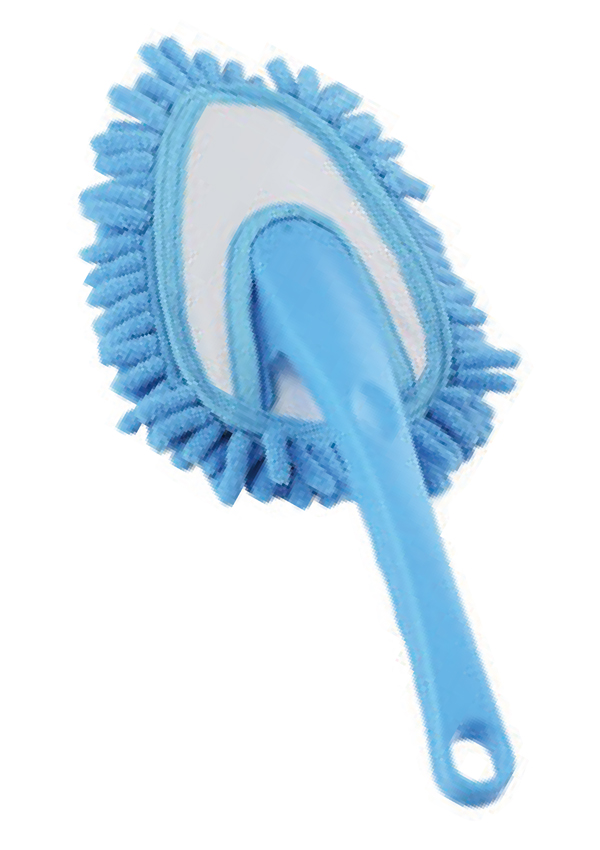 Q7 Microfiber Multi-Functional Dusting Duster with Dual HandlesThis duster offers short and long handle options with chenille or coral fleece heads that use static adsorption to capture fine dust. It suits various surfaces and is ideal for allergy-sensitive environments.View Product →
If you are unfamiliar with the different styles, this guide on what a cleaning duster is and how it works explains which formats are best for blinds, shelves, furniture, and electronics.
Before Washing: Shake, Rinse, and Spot Treat
Before you put any microfiber duster in water, take it outside or over a trash bin and give it ten or twelve firm shakes. The shaking removes the loose layer of dust, pet hair, and lint that rinsing alone may not detach. Next, run your fingers along the fibers to break up any tangled threads or hair. If you see pulled loops, use a seam ripper or small scissors to cut them free, but never tug on the weave.
For dusters with greasy spots, such as the ones used in kitchen areas, apply a drop of mild dish soap directly to the stain and work it in with your thumb for thirty seconds before washing. This spot treatment prevents the oil from redepositing onto the clean fibers during the wash.
If your duster head is removable, check the connection point. Some heads attach with a hook-and-loop strip, while others clip onto the handle. Remove the head if you can do so without tools; this makes cleaning faster and protects the handle from water damage.
How to Hand Wash a Microfiber Duster
Hand washing gives you the most control and works well for small dusters or dusters with fixed handles. Fill a clean basin or sink with cool or lukewarm water—no hotter than 40°C—and add a capful of mild detergent. Swirl the water to mix.
- Submerge the duster head and press it gently with your hands.
- Do not scrub the fibers against a rough surface or wring the fabric like a towel. Instead, use a squeezing motion: open and close your fist around the head so the soapy water works through the fibers.
- After two minutes of gentle agitation, drain the sink and refill it with clean water.
- Repeat the squeeze-and-rinse cycle until the water runs completely clear.
- Blot the duster on a dry cotton towel and press out the remaining moisture.
If the head has a plastic backing, keep the backing above the water level to avoid water seeping through the seams. A removable-loop duster, such as a microfiber feather duster, responds especially well to hand washing because you can work the fibers individually. Once it is clean, lay it flat to dry as described in the next section.
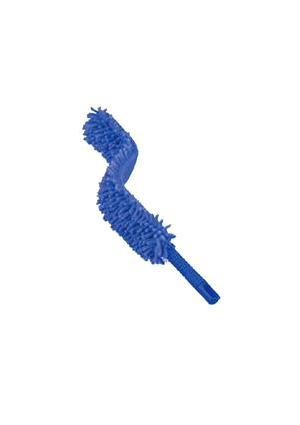 Q5 Microfiber Feather Duster with Telescopic HandleThis feather duster features a removable loop head and dual handle options, extending up to 175 cm. Its chenille or coral fleece material traps dust and is gentle on delicate surfaces.View Product →
How to Machine Wash a Microfiber Duster
Machine washing is convenient when you own several dusters or when the duster is heavily soiled. Place each duster in a mesh laundry bag to prevent the fibers from wrapping around the agitator or hooking onto zippers. Use the gentle or delicate cycle with a cold or warm water setting—30°C is safer than 40°C if your machine tends to run hot. Set the spin speed to low.
Avoid combining microfiber dusters with fluffy cotton towels. Cotton lint transfers to microfiber and clings between the split filaments, making the duster less effective at capturing dust. Wash only microfibers together or with non-linting synthetics.
Skip fabric softener and dryer sheets completely. If you need a rinse aid, add half a cup of white vinegar to the fabric-softener compartment. Vinegar helps remove detergent residue and odors without leaving a coating. When the cycle finishes, take the dusters out of the machine immediately and shake them to restore their loft.
How to Dry a Microfiber Duster
Air drying is the safest method for all microfiber dusters. Hang the duster by its loop or lay it flat on a clean, dry surface away from radiators and direct sunlight. Depending on humidity, it will dry in 3 to 6 hours. For expandable dusters with a flexible head, the same air-drying rule applies.
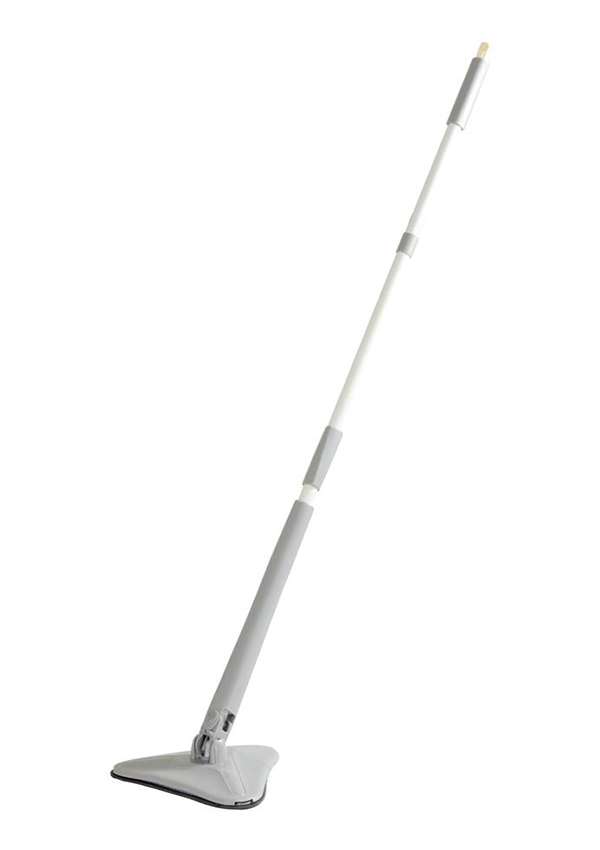
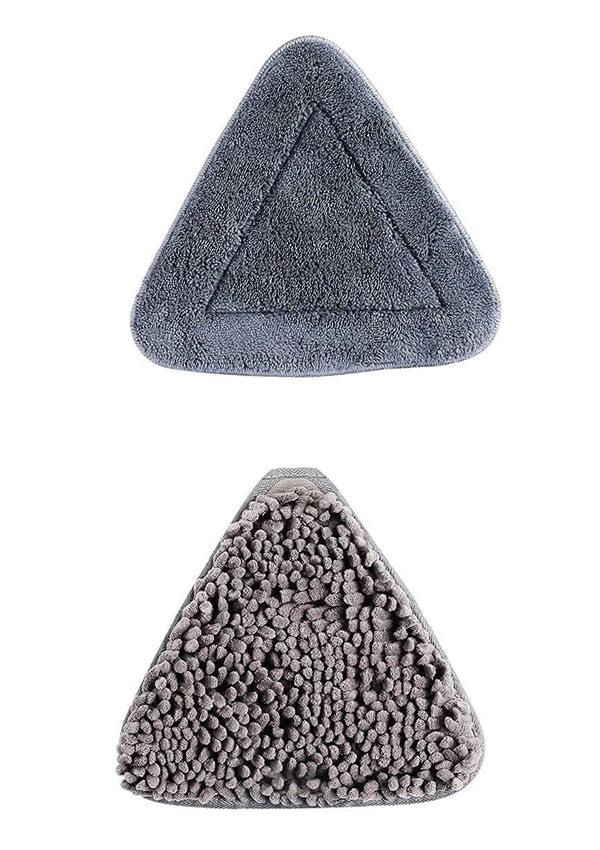 S1 Folding Magic Duster with Triangular HeadThis duster has a foldable triangular head for corners and narrow spaces. Its soft fibers capture dust without spreading it, making it useful for home, electronics, automotive, and commercial cleaning.View Product →
You can also use a tumble dryer if you do not want to wait. Set the dryer to the lowest heat setting or the air-fluff cycle, and never use dryer sheets. High heat melts the polyester split ends and destroys the electrostatic properties that make microfiber work. If you want to speed up drying and help the fibers fluff, toss a clean, lint-free microfiber cloth into the dryer on the same low setting.
After the duster is completely dry, give it a dozen firm shakes and, if the design allows, run your fingers between the strands. This reopens the space between fibers and restores the duster’s static cling. If the fibers still look matted, wet the duster lightly, shake it, and dry it again with no heat.
How Often Should You Clean a Microfiber Duster?
Frequency depends on how often you dust and what you dust. As a general rule, after every use, shake the duster outside and let it air for an hour. A monthly deep wash keeps the fibers free of accumulated grease and dust. If you dust daily in a home with pets, wash the duster every two weeks. If you use it occasionally, a monthly wash is still enough because dust itself is abrasive and can shorten the life of the fibers if left trapped in the pad.
Signs that it’s time to wash sooner: the duster leaves streaks, no longer attracts dust, starts smelling musty, or appears grey and greasy. When that happens, skip the quick shake and perform a full hand or machine wash.
Do not soak microfiber dusters for hours. Prolonged soaking can weaken the backing adhesive and cause the fibers to shed. The rinse-and-squeeze method described above takes less than five minutes and produces better results than a long soak.
Common Mistakes That Ruin Microfiber Dusters
Most microfiber duster damage comes from a handful of well-intentioned cleaning shortcuts. The table below summarises what to avoid and what to do instead.
Common washing mistakes and how they affect microfiber performance
| Mistake |
Why It Hurts |
What to Do Instead |
| Using fabric softener |
Coats the fibers and blocks static cling |
Use mild detergent or vinegar rinse |
| Washing in hot water |
Fuses split fibers and shrinks backing |
Use cool or warm water (30–40°C) |
| Adding bleach |
Degrades polyester and adhesive |
Oxygen bleach only on white dusters; test first |
| Tumble drying on high |
Melts and flattens the filaments |
Air dry or use no-heat tumble |
| Washing with cotton towels |
Transfers lint that clogs the fibers |
Wash with other microfiber only |
| Wringing or twisting |
Tears the filament structure |
Squeeze gently and blot with a towel |
Treat your microfiber duster like the precision cleaning garment it is, and it will keep trapping dust effectively for years. A little care with water, detergent, and drying will save you money and keep your shelves cleaner.